

Creating Career Path...

Finding Further Careers...

Coach

View this career for different education levels:

Being a coach in the UK means helping people or groups to reach their goals and improve themselves. You might work with individuals on their personal life (this is called a life coach), or with professionals to help them do better at work (this is a business or executive coach). There are also sports coaches who help athletes improve their performance. A coach doesnt just tell people what to do; instead, they ask lots of questions and help people find their own solutions and strengths. You would listen carefully, encourage people, and help them to plan steps to get where they want to be. Its a job that requires excellent communication skills and a real desire to help others succeed. Coaches often work in different ways; some might work for a company, while others set up their own business and work for themselves, meeting clients in person, online, or over the phone. The topics can range from helping someone feel more confident, getting a new job, improving teamwork, or even training for a marathon. You would need to build trust with your clients and create a supportive environment where they feel comfortable talking about their challenges and aspirations. Many coaches get special training and qualifications to make sure they are really good at what they do.

Coach

Flag Media

Please select a reason for flagging this content.

📊 Statistics

Average Salary for a Coach in the UK

The average salary for a coach in the UK can vary a lot, but it is often around 28,000 to 35,000 pounds per year. However, it can range from 20,000 pounds for entry-level positions to over 60,000 pounds for highly experienced or specialist coaches, especially those with their own businesses.

Number of Coaching Professionals

While an exact number is hard to pin down because many coaches work independently or part-time, the UK coaching industry is growing. Research from organisations like the International Coaching Federation (ICF) suggests that thousands of people across the UK work as professional coaches, with a steady increase in numbers over the past few years.

Industry Growth

The coaching industry in the UK has seen significant growth, particularly in areas like life coaching, business coaching, and executive coaching. This shows that more people and organisations are recognising the value of coaching to help them improve.

🚀 Careers in this path

Flag Media

Please select a reason for flagging this content.

Football Coach

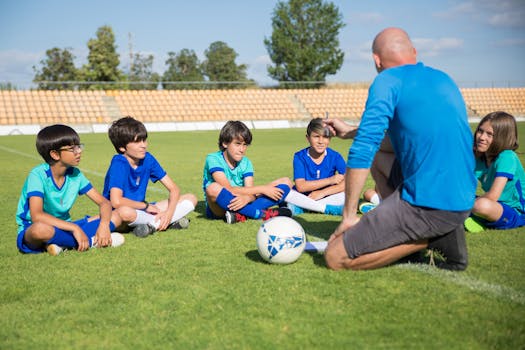
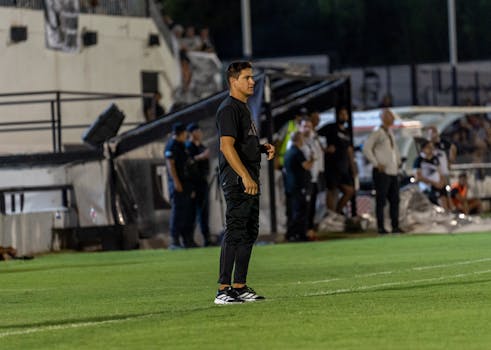
Help young footballers learn new skills, strategies, and teamwork. You'll plan training sessions, teach them how to play fair, and encourage them to do their best in matches.

Flag Media

Please select a reason for flagging this content.

Athletics Coach

Work with runners, jumpers, or throwers to improve their technique and fitness. You'll help them prepare for races and competitions, focusing on different sports like sprinting or long jump.

Flag Media

Please select a reason for flagging this content.

Drama Coach

Teach aspiring actors how to perform on stage, practice their lines, and express emotions. You'll help them prepare for plays and musicals, making sure they feel confident and have fun.

Exploring Your Passion

Discover What You Love

Think about what activities or subjects you're really passionate about. Do you love football, drama, chess, or helping people with their homework? Coaches usually coach in an area they are genuinely interested in.

Start by making a list of your favourite hobbies, school subjects, or activities. Consider what you enjoy doing most, and what you're naturally good at. For example, if you love playing football, you might enjoy being a football coach. If you're great at explaining maths, you could be a tutor, which is a type of coach.

Watch and Learn

Observe coaches in action! Pay attention to how your sports coach, music teacher, or even a leader in a club helps others learn and improve. What do they do well?

When you're at a sports practice, a music lesson, or a school club, take a moment to watch your coach or teacher. How do they explain things? How do they encourage people when they're struggling? What kind of language do they use? This will give you great ideas for what makes a good coach.

Try Helping Others

Practice helping your friends or younger family members with something they're learning. It could be a game, a school project, or a new skill. See how it feels to guide someone.

Offer to help a younger sibling with their homework, teach a friend a new trick in a game, or show someone how to do a cool drawing. Even small acts of guidance can help you develop coaching skills. Pay attention to how they respond and what helps them understand better.

Building Your Skills

Join a Team or Club

Being part of a team or club, whether it's sports, drama, or a debate club, teaches you about working with others, leadership, and following instructions – all useful for coaching.

Participating in group activities helps you understand team dynamics and what makes a good team player. You'll learn about setting goals, dealing with challenges, and supporting your teammates. These experiences are invaluable for understanding how to motivate and lead others in the future.

Take Leadership Roles

Look for chances to be a leader, like being a team captain, a prefect, or helping lead a school project. This helps you practice guiding others and making decisions.

Any opportunity to lead, even in a small way, is a great step. It could be organising a group for a school project, leading a section in an orchestra, or being a buddy for a new student. These roles help you build confidence in guiding others and taking responsibility for a group's success.

Learn About Communication

Good coaches are great communicators. Practice listening carefully to others and explaining your ideas clearly, both in writing and when you speak.

Communication is key in coaching. Try to explain things in different ways if someone doesn't understand. Ask open-ended questions to get people talking about their ideas. Also, learn to listen actively, making sure you truly hear what others are saying before you respond. Reading books or watching videos on effective communication can also be very helpful.

Future Steps & Qualifications

Gain Experience Through Volunteering

When you're a bit older, volunteer to help coach a younger team or group. Many sports clubs and community organisations need junior coaches.

Volunteering is an excellent way to get real-world experience. Look for opportunities at local sports clubs, youth groups, or even schools. You might start as an assistant, helping a more experienced coach, and gradually take on more responsibility. This practical experience is highly valued and helps you decide if coaching is truly for you.

Consider Further Education

Think about courses at college or university related to coaching, sports science, psychology, or teaching. These can give you a strong foundation.

After your GCSEs and A-Levels, there are many paths. You could study a BTEC in Sport, a degree in Sports Coaching, or even a degree in Psychology if you're interested in life coaching. These courses provide in-depth knowledge about training principles, human behaviour, and effective teaching methods. Some coaches also gain qualifications specific to their sport, like an FA coaching badge for football.

Get Certified

For many coaching roles, you'll need specific qualifications or certifications in your chosen area, like a sports coaching badge or a life coaching accreditation.

Once you've decided on the type of coaching you want to do, research the necessary qualifications. For instance, if you want to be a football coach, you'll need coaching badges from the Football Association (FA). If you're interested in fitness coaching, you'll need a personal training qualification. These certifications show you have the knowledge and skills to coach safely and effectively.

🎬 Useful Videos

🎯 View Apprenticeships

Explore relevant apprenticeships that can help you kickstart your career in Coach. Apprenticeships offer hands-on experience and training while earning a wage.

Career Progressions

This page showcases various career options and the pathways to reach them. Each career listed here shares transferable skills and knowledge, making it easier for individuals to transition between them.

Your current career is highlighted to help you see how it fits into the broader landscape of potential career choices. By clicking on any career, you can learn more about it, including the training and education required to pursue it.

Remember, progressing in your career often involves further learning and training. This page provides insights into future career options as well as those that can lead up to your current one.

These career progression decisions are informed by comparing the skills and knowledge needed for different occupations, along with data on how people move between them. Explore the possibilities and discover the exciting journey ahead in your career!

Sample Qualifications

Sports coach is the closest match because it directly reflects the core coaching duties of guiding and developing individuals to improve performance. Both roles typically require coaching qualifications, the ability to plan and deliver sessions, monitor progress, and provide feedback, often plus safeguarding and welfare knowledge.

How to become

You can get into this job through:

  • a university course
  • a college course
  • an apprenticeship
  • working towards this role
  • volunteering

University

You can take a foundation degree, higher national diploma or degree in:

  • sports coaching and development
  • sports and exercise science
  • sports studies
  • physical education

Entry requirements

You'll usually need:

  • 1 or 2 A levels, or equivalent, for a foundation degree or higher national diploma
  • 2 to 3 A levels, or equivalent, for a degree

More Information

College

You can do a college course as a way into this career, for example:

  • sport
  • sports coaching and development
  • coaching sports and fitness

You may be able to do a coaching qualification that's specific to your chosen sport. 

Sports include:

  • tennis and cricket
  • netball and basketball
  • hockey
  • martial arts

Entry requirements

Entry requirements for these courses vary.

More Information

Apprenticeship

You can apply to do an apprenticeship to begin your career in coaching. 

These include:

  • Community Activator Coach Level 2 Intermediate Apprenticeship
  • Personal Trainer Level 3 Advanced Apprenticeship
  • Community Sport and Health Officer Level 3 Advanced Apprenticeship
  • Sports Coach Level 4 Higher Apprenticeship

These can take up to 2 years to complete.

Entry requirements

You'll usually need:

  • some GCSEs, usually including English and maths, or equivalent, for an intermediate apprenticeship
  • 5 GCSEs at grades 9 to 4 (A* to C), or equivalent, including English and maths, for an advanced apprenticeship
  • 4 or 5 GCSEs at grades 9 to 4 (A* to C) and A levels, or equivalent, for a higher or degree apprenticeship

More Information

Work

If you're working in sport already, for example in a leisure centre, as a sports teacher or with a sports club, you can take a professional coaching qualification recognised by the national governing body for your sport.

Volunteering

You could get experience as an assistant sports coach by volunteering for a few hours a week with a club or amateur team. This is a common way to start a coaching career.

More Information

Career tips

Coaching pay can vary, as many jobs are part-time or paid by the session.

Further information

You can find out more about coaching from UK Coaching.

Interested in More Career Paths?

Explore other careers or use our AI to discover personalised paths based on your interests.

Stay connected

Join our newsletter to stay up to date on features and releases

Address
Developing Experts Limited
Exchange Street Buildings
35-37 Exchange Street
Norwich
NR2 1DP
UK

Phone
01603 273515

Email
[email protected]

Copyright 2025 Developing Experts, All rights reserved.
