
Creating Career Path...

Finding Further Careers...

Forester

View this career for different education levels:

A forester manages forests and woodlands, making sure they are healthy and productive for wildlife, people, and the environment. This job involves planting new trees, looking after woodland areas, and making decisions about which trees to cut down for timber. Foresters also help protect forests from diseases, pests, and fires. They often use maps, computer software, and scientific knowledge to plan their work. Foresters may work for government bodies like Forestry England, private companies, or environmental charities. Their work is important for fighting climate change and providing habitats for animals and plants, as well as making sure there is enough wood for building and other uses.

Forester

Flag Media

Please select a reason for flagging this content.

📊 Statistics

Average Salary

Foresters in the UK typically earn between £22,000 and £35,000 per year, with experienced foresters able to earn up to £45,000.

Number of Jobs

There are around 4,000 to 5,000 people employed in forestry and woodland management roles across the UK.

Sector Growth

The forestry sector is expected to grow as focus increases on climate change, sustainability, and woodland creation.

🚀 Careers in this path

Flag Media

Please select a reason for flagging this content.

Urban Forestry Officer

Works to manage and protect trees and green spaces in towns and cities, making sure they are healthy and safe for local communities.

Flag Media

Please select a reason for flagging this content.

Forest Ranger

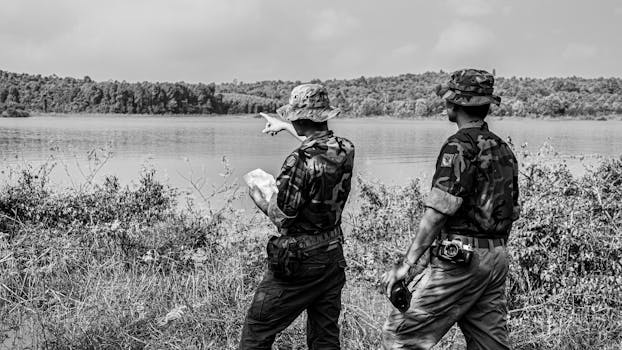
Patrols forests to protect wildlife, prevent fires, and help visitors enjoy nature safely.

Flag Media

Please select a reason for flagging this content.

Woodland Conservationist

Focuses on preserving and restoring natural woodland areas, often working with charities or local councils to look after habitats for plants and animals.

Learn About Forestry

Research the Role

Find out what a forester does and why their work is important.

Look for information online, visit local woodlands, or speak to someone who works in forestry to get a better understanding. You can read articles and watch videos about forestry to see what the job involves day-to-day.

Take Part in Nature Activities

Get involved with nature clubs or conservation groups.

Many communities have wildlife or conservation groups where you can volunteer. These activities might include tree planting, wildlife surveys, or helping to keep local parks tidy. This will help you develop useful skills and show your interest in the environment.

Develop Relevant Skills

Study Science Subjects

Focus on subjects like Biology, Geography, or Environmental Science at school.

Forestry involves understanding plants, animals, and ecosystems. Doing well in these subjects will help you later if you want to take a college or university course in forestry or a related field.

Improve Outdoor Skills

Spend time outdoors learning about trees, plants, and wildlife.

Try to identify different types of trees and wildlife when you visit parks or forests. Learning how to use a map and compass, or practising basic outdoor safety, are also useful skills for a future forester.

Plan Your Qualifications

Choose the Right Courses

After GCSEs, consider taking A levels or vocational courses in relevant subjects.

A levels in Biology, Geography, or Environmental Science are good choices. Alternatively, you can look at BTECs or other vocational qualifications in countryside management or forestry. This will prepare you for further study or an apprenticeship.

Consider a Forestry Degree or Apprenticeship

Look into university courses in forestry or related apprenticeships.

You can study forestry at university or take a higher or degree apprenticeship in forestry. Some employers offer apprenticeships where you can earn while you learn practical skills on the job.

🎯 View Apprenticeships

Explore relevant apprenticeships that can help you kickstart your career in Forester. Apprenticeships offer hands-on experience and training while earning a wage.

Career Progressions

This page showcases various career options and the pathways to reach them. Each career listed here shares transferable skills and knowledge, making it easier for individuals to transition between them.

Your current career is highlighted to help you see how it fits into the broader landscape of potential career choices. By clicking on any career, you can learn more about it, including the training and education required to pursue it.

Remember, progressing in your career often involves further learning and training. This page provides insights into future career options as well as those that can lead up to your current one.

These career progression decisions are informed by comparing the skills and knowledge needed for different occupations, along with data on how people move between them. Explore the possibilities and discover the exciting journey ahead in your career!

Sample Qualifications

A Forester's role primarily involves managing and conserving forests and woodland areas, which closely aligns with the responsibilities of a forestry worker. Both careers require knowledge of tree species, forest management techniques, and environmental conservation practices.

How to become

You can get into this job through:

  • a college course
  • an apprenticeship
  • volunteering
  • applying directly

College

You could take a course at an agricultural college to learn some of the skills needed to find a trainee position. Courses include:

  • forestry and arboriculture
  • arboriculture
  • countryside management
  • T Level in Agriculture, Land Management and Production.

Entry requirements

Entry requirements for these courses vary.

  • 4 or 5 GCSEs at grades 9 to 4 (A* to C), or equivalent, including English and maths for a T Level

More Information

Apprenticeship

You could apply to do a Forest Craftsperson Level 3 Advanced Apprenticeship.

With experience, you could move on to complete a Forestry Works Manager Level 4 Higher Apprenticeship or Professional Forester Level 6 Degree Apprenticeship.

Entry requirements

You'll usually need:

  • 5 GCSEs at grades 9 to 4 (A* to C), or equivalent, including English and maths, for an advanced apprenticeship
  • 4 or 5 GCSEs at grades 9 to 4 (A* to C) and A levels, or equivalent, for a higher or degree apprenticeship

More Information

Volunteering

You may find it useful when looking for jobs to have some relevant practical experience. You can find volunteering opportunities with organisations like:

Direct Application

You could apply directly to become a forestry worker.

You'll usually need certain licences, for instance, a licence for chainsaw operations or for driving agricultural machinery.

More Information

Further information

You can find out more about careers in forestry from the Royal Forestry Society.

Interested in More Career Paths?

Explore other careers or use our AI to discover personalised paths based on your interests.

Stay connected

Join our newsletter to stay up to date on features and releases

Address
Developing Experts Limited
Exchange Street Buildings
35-37 Exchange Street
Norwich
NR2 1DP
UK

Phone
01603 273515

Email
[email protected]

Copyright 2025 Developing Experts, All rights reserved.
