
Creating Career Path...

Finding Further Careers...

Zoologist

View this career for different education levels:

Zoologists are scientists who study animals and their behaviour, physiology, and habitats. They may work in laboratories, offices, or out in the field, observing animals in their natural environments. Zoologists play a vital role in understanding wildlife, advising on conservation, and helping to protect endangered species. Their work often involves carrying out experiments, collecting and analysing data, and writing reports or scientific papers. Many zoologists are also involved in public education and awareness campaigns about biodiversity and environmental issues.

Zoologist

Flag Media

Please select a reason for flagging this content.

📊 Statistics

Average Salary

Zoologists in the UK typically earn between £20,000 and £40,000 per year, with senior roles reaching up to £50,000.

Job Availability

There are approximately 1,400 zoology-related positions in the UK, with roles in academia, conservation, and government.

Typical Working Hours

Most zoologists work around 37 to 40 hours per week, with fieldwork sometimes requiring longer or irregular hours.

🚀 Careers in this path

Flag Media

Please select a reason for flagging this content.

Marine Biologist

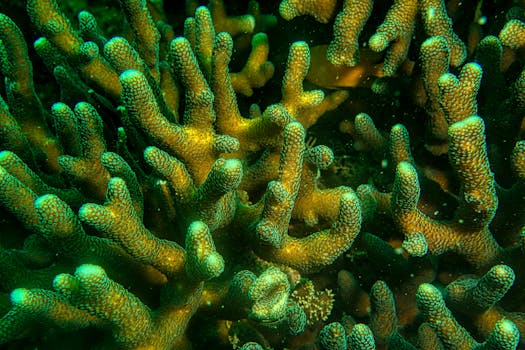
Studies animals and other organisms that live in the sea and other bodies of water, focusing on their behaviour, genetics, and habitats.

Flag Media

Please select a reason for flagging this content.

Wildlife Conservationist

Works to protect animal species and their natural environments, often developing conservation plans and conducting field research.

Entomologist

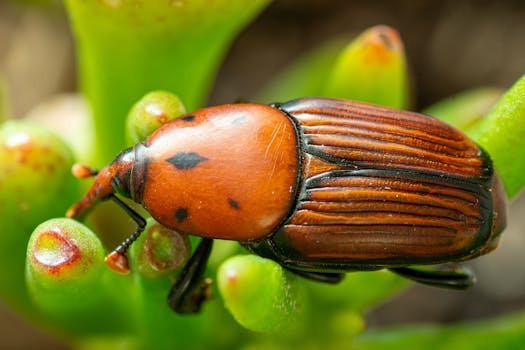
Specialises in the study of insects, including their classification, life cycles, and impact on the environment and humans.

Start with Science Education

Study Science Subjects at School

Take GCSEs and A levels in subjects like Biology, Chemistry, and Maths to build a strong foundation.

Focus on Biology as your main science, as it is most directly related to zoology. Chemistry and Maths are also useful, especially if you are interested in genetics or animal physiology. Taking Geography can be helpful for ecology or conservation work. Participating in science clubs or relevant extracurricular activities can also enhance your interest and experience.

Participate in Animal or Nature Activities

Gain experience by volunteering at animal shelters, wildlife parks, or joining environmental groups.

Hands-on experience with animals will help you decide if a career in zoology is right for you. Look for opportunities to volunteer at local zoos, animal rescues, or with conservation projects. You could also join wildlife or nature clubs to learn more about different species and habitats.

Get a Relevant Degree

Apply for a Zoology or Animal Science Degree

Pursue a university degree in Zoology, Animal Science, Biology, or a related field.

Most zoologists hold at least a bachelor’s degree in Zoology or a closely related subject. University courses often include fieldwork, laboratory research, and opportunities for placements. Research universities that offer strong zoology or animal-related courses and check their entry requirements — typically, they will expect A levels in science subjects.

Take Part in Placements or Internships

Gain practical experience during your degree by working with research teams, zoos, or conservation groups.

Many degree programmes offer placements or sandwich years with organisations like wildlife trusts, environmental bodies, or zoos. Internships and summer placements will give you valuable hands-on skills, contacts, and a better understanding of potential career paths within zoology.

Advance Your Career

Choose a Specialism

Decide on an area of zoology to specialise in, such as marine biology, ecology, genetics, or animal behaviour.

Zoologists can specialise in areas like mammalogy, ornithology, entomology, or herpetology, depending on your interests. Specialising may require further study or research, such as a master’s or PhD, particularly if you wish to pursue academic or high-level research roles.

Find a Job or Further Study

Apply for jobs in research, conservation, education, or continue your studies for a postgraduate qualification.

Zoologists work in a variety of settings including research institutions, conservation agencies, government bodies, zoos, aquariums, and universities. If you wish to become a senior researcher or lecturer, a postgraduate degree (MSc or PhD) is usually required. Networking, attending conferences, and joining professional bodies like the Zoological Society of London can help you find opportunities.

🎯 View Apprenticeships

Explore relevant apprenticeships that can help you kickstart your career in Zoologist. Apprenticeships offer hands-on experience and training while earning a wage.

Career Progressions

No career progressions found for Zoologist

Sample Qualifications

How to become

You can get into this job by doing a university course.

University

You could study for a degree in a subject, such as:

  • zoology
  • animal ecology and behaviour
  • conservation
  • marine biology
  • environmental biology

You may need a relevant postgraduate qualification like a master's degree or PhD for certain jobs, particularly in research.

Some degree courses offer a placement year where you can get relevant experience in areas like conservation.

Doing an internship during the summer holidays can also help you gain useful knowledge and skills. Your university careers department will be able to give you information about opportunities. They may also have links with wildlife or conservation organisations in the UK or overseas.

Entry requirements

You'll usually need:

  • 2 or 3 A levels, or equivalent, including biology for a degree
  • a degree in a relevant subject for postgraduate study

More Information

Volunteering

Volunteering in conservation work is a good way to strengthen your application for university courses.

Many opportunities won't be advertised, so you could contact organisations directly.

You can also use sites like:

More Information

Career tips

You can search for zoology, conservation and ecology opportunities online, for example through sites like Conservation Jobs.

Further information

You can find out more about careers and training in zoology from the Institute of Zoology or from other specialist organisations, depending on your interest:

Interested in More Career Paths?

Explore other careers or use our AI to discover personalised paths based on your interests.

Stay connected

Join our newsletter to stay up to date on features and releases

Address
Developing Experts Limited
Exchange Street Buildings
35-37 Exchange Street
Norwich
NR2 1DP
UK

Phone
01603 273515

Email
[email protected]

Copyright 2025 Developing Experts, All rights reserved.
