Creating Career Path...

Finding Further Careers...

Farmer

View this career for different education levels:

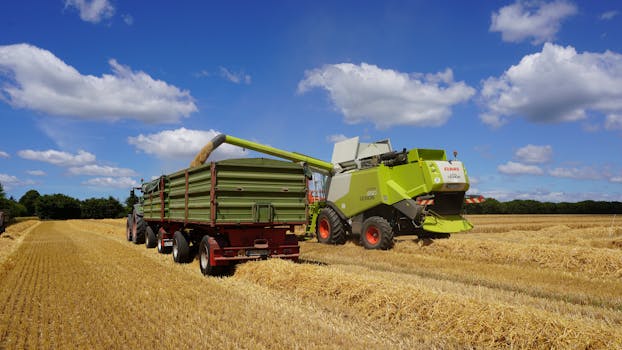
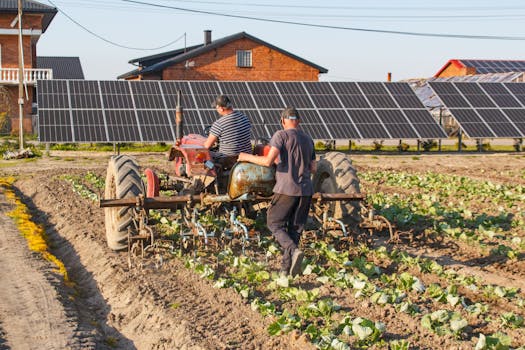
A farmer is responsible for producing food and other products by growing crops, raising animals, or both. Farmers in the UK may work on arable farms (producing crops such as wheat, barley, and vegetables), livestock farms (raising cattle, sheep, pigs, or poultry), or mixed farms that combine both. Daily tasks include planting, harvesting, feeding and caring for animals, maintaining equipment, and managing farm business operations. Farmers also need to keep up with regulations, sustainable practices, and market trends to ensure their farms are productive and environmentally friendly. It is a physically demanding job, often requiring long hours, particularly during planting and harvest seasons.

Farmer

Flag Media

Please select a reason for flagging this content.

📊 Statistics

Average Salary

The average salary for a farmer in the UK ranges from £20,000 to £35,000 per year, depending on the type and size of the farm.

Employment Numbers

There are around 170,000 people employed in agricultural roles, including farmers, in the UK as of 2023.

Farm Types

The UK has over 216,000 farm holdings, covering a variety of crops and livestock production.

🚀 Careers in this path

Flag Media

Please select a reason for flagging this content.

Dairy Farmer

Works specifically with cows or goats to produce milk, cheese and other dairy products.

Flag Media

Please select a reason for flagging this content.

Organic Vegetable Grower

Focuses on growing vegetables using organic methods, often selling produce at local markets or through farm shops.

Poultry Farmer

Specialises in raising chickens, turkeys or ducks for eggs or meat production.

Explore Agriculture

Learn About Different Types of Farming

Research the main types of farming, such as arable (crops), livestock (animals), or mixed farming.

Understanding the various areas of farming will help you decide where your interests lie. You can do this by reading books, watching documentaries, or visiting local farms. Many schools and colleges offer visits or work experience on farms, which can provide valuable insight.

Talk to Local Farmers

Connect with farmers in your area to find out about their daily routines and the challenges they face.

Visiting a farm and speaking to people who work there can help you get a realistic view of the job. Farmers can offer advice and may even let you help out for a day or two, giving you direct experience.

Gain Practical Skills

Get Work Experience

Apply for part-time or seasonal work on a farm to gain hands-on experience.

Farm work can include looking after animals, planting or harvesting crops, and maintaining equipment. Experience is essential for understanding the demands of farm life. Many farms offer voluntary placements or apprenticeships, which can be found through local job centres or agricultural colleges.

Develop Key Skills

Focus on building skills such as machinery operation, animal care, and basic maintenance.

Farmers often need to operate tractors, combine harvesters, and other agricultural machinery. Learning how to repair equipment and care for animals is also important. Training courses are available at agricultural colleges and some adult learning centres.

Formal Education and Training

Study Agriculture

Consider enrolling in an agricultural course at GCSE, A level, or college level.

Many colleges and universities offer courses in agriculture, animal management, farm business management, or related fields. These programmes cover both practical and theoretical aspects of farming and may include placements on working farms.

Complete Apprenticeships or Further Qualifications

Look for apprenticeships or higher education opportunities to gain specialist knowledge.

Apprenticeships combine practical work with study and can lead to recognised qualifications. Alternatively, you could progress to a degree in agriculture or a related discipline if you wish to learn more about the science and business of farming.

Start Your Farming Career

Find a Job or Start Your Own Farm

Apply for jobs on established farms or consider leasing land to start your own smallholding.

You can find work as a farm worker, assistant, or manager, depending on your experience and qualifications. If you plan to start your own farm, you will need to research land availability, funding options, and legal requirements such as health and safety or environmental regulations.

Continue Developing Your Skills

Stay up to date with new farming methods and technology.

Farming is always changing due to innovations and environmental considerations. Joining industry groups or attending agricultural shows can help you learn about the latest trends and technologies, and build a network of professional contacts.

🎯 View Apprenticeships

Explore relevant apprenticeships that can help you kickstart your career in Farmer. Apprenticeships offer hands-on experience and training while earning a wage.

Career Progressions

No career progressions found for Farmer

Sample Qualifications

How to become

You can get into this job through:

  • a university course
  • a college course
  • an apprenticeship
  • working towards this role

University

You could take a foundation degree, higher national diploma or degree in:

  • agriculture
  • land management
  • farm business management
  • crop and livestock production

Courses and qualifications are available at agricultural colleges and universities.

Entry requirements

You'll usually need:

  • 1 or 2 A levels, or equivalent, for a foundation degree or higher national diploma
  • 2 to 3 A levels, or equivalent, for a degree

More Information

College

You could do a course at agricultural college to learn some of the skills you'll need to start your career in farming. 

Courses include:

  • agriculture
  • land-based operations
  • T Level in Agriculture, Land Management and Production

Entry requirements

Entry requirements for these courses vary.

  • 4 or 5 GCSEs at grades 9 to 4 (A* to C), or equivalent, including English and maths for a T Level

More Information

Apprenticeship

You could apply to do an intermediate or advanced apprenticeship, for example:

  • General Farm Worker Level 2
  • Poultry Technician Level 3
  • Livestock Unit Technician Level 3
  • Crop Technician Level 3

You could also apply to do an Assistant Farm Manager Level 4 Higher Apprenticeship, if you want to work in farm management.

Entry requirements

You'll usually need:

  • some GCSEs, usually including English and maths, or equivalent, for an intermediate apprenticeship
  • 5 GCSEs at grades 9 to 4 (A* to C), or equivalent, including English and maths, for an advanced apprenticeship
  • 4 or 5 GCSEs at grades 9 to 4 (A* to C) and A levels, or equivalent, for a higher or degree apprenticeship

More Information

Work

You could get management experience by working as a supervisor, unit manager or assistant manager before moving into farm management.

More Information

Career tips

Farmers work long hours especially during busy periods, such as lambing season and harvest time.

Professional and industry bodies

You could become a member of the National Farmers Union (NFU) to keep up to date with developments in the farming industry.

The National Federation of Young Farmers' Clubs also supports young people in agricultural work and those interested in rural life.

You could join to:

  • learn new skills
  • keep up to date with rural issues
  • network with other young people

Further information

You can get more information about farming careers from:

Interested in More Career Paths?

Explore other careers or use our AI to discover personalised paths based on your interests.

Stay connected

Join our newsletter to stay up to date on features and releases

Address
Developing Experts Limited
Exchange Street Buildings
35-37 Exchange Street
Norwich
NR2 1DP
UK

Phone
01603 273515

Email
[email protected]

Copyright 2025 Developing Experts, All rights reserved.
