


Creating Career Path...

Finding Further Careers...

Medic/Nurse (Military)

View this career for different education levels:

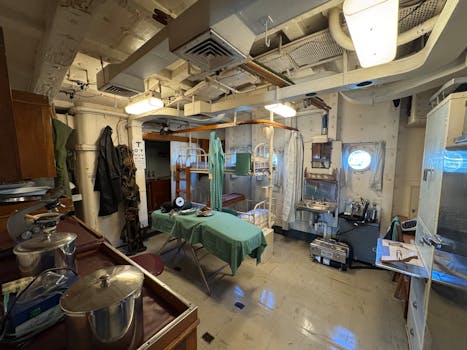
A Military Medic or Nurse works in the UK armed forces, providing medical care to service personnel both in the UK and overseas, sometimes in challenging environments. Their work covers emergency first aid on the battlefield, routine healthcare at military bases, and ongoing support for the health and well-being of troops. Training is provided by the military, and you may work in hospitals, field clinics, or mobile medical units. The role requires resilience, teamwork, and the ability to stay calm in high-pressure situations. Military medics and nurses also play a vital part in humanitarian missions and disaster relief efforts. Upon leaving the armed forces, many find their skills highly valued by the NHS and other healthcare employers.

Medic/Nurse (Military)

Flag Media

Please select a reason for flagging this content.

📊 Statistics

Starting Salary

Military medics and nurses typically start at around £21,000 to £26,000 per year, depending on rank and qualifications.

Number of Personnel

The Defence Medical Services employ approximately 7,500 healthcare professionals, including medics and nurses, across the UK armed forces.

Progression Opportunities

With experience and promotion, salaries can rise to over £40,000 for senior nursing officers and advanced medics.

🚀 Careers in this path

Flag Media

Please select a reason for flagging this content.

Combat Medical Technician

Provides emergency medical care on the battlefield and supports the health of soldiers during military operations.

Flag Media

Please select a reason for flagging this content.

Royal Navy Nurse

Delivers nursing care to Royal Navy personnel both on ships and at naval bases, supporting their health and wellbeing.

Flag Media

Please select a reason for flagging this content.

RAF Paramedic

Offers frontline medical support to Royal Air Force personnel, including emergency response and aeromedical evacuation.

Learn about the Role

Research Military Medical Careers

Find out what being a military medic or nurse involves, including day-to-day duties and the different branches of the armed forces.

Look at the official websites of the British Army, Royal Navy, and Royal Air Force to discover the specific responsibilities of medics and nurses. Read about deployments, training, and the types of situations you might encounter. You can also attend career fairs or contact a local Armed Forces Careers Office to ask questions.

Understand Entry Requirements

Learn about the qualifications, skills, and fitness standards needed to apply.

Military medics and nurses usually need GCSEs in English, maths, and science. For nursing roles, you may require A levels or equivalent qualifications and registration with the Nursing and Midwifery Council (NMC). Medics undergo specific military training. All applicants must meet medical and fitness requirements, and you must be a British citizen or Commonwealth national.

Gain Qualifications and Experience

Complete Relevant Education

Work towards the necessary academic qualifications, such as GCSEs and, if needed, A levels or equivalent.

Focus on achieving good grades, especially in science subjects. If you are interested in becoming a nurse, you might consider studying health and social care. Volunteering with organisations like St John Ambulance or in a care home can also provide helpful experience.

Apply for Military Entry Programmes

Apply for the Armed Forces through schemes such as the Army Medical Services or Royal Air Force Medical Services.

You can apply to join as a soldier or officer, depending on your qualifications and interests. Attend an assessment centre, which includes aptitude tests, interviews, medical exams, and fitness assessments. If successful, you will begin basic military training followed by specialist medical training.

Complete Specialist Military Training

Undergo Basic and Medical Training

Take part in initial military training, then complete specialist courses for medics or nurses.

Basic training covers physical fitness, teamwork, and military skills. Afterward, you will attend specialist medical training to learn first aid, trauma care, and, for nurses, clinical skills. Training is provided by the Armed Forces and is tailored to the needs of your chosen branch.

Build Experience in the Role

Work as part of a military medical team, gaining experience in both routine and emergency care.

You will support the health and wellbeing of service personnel both in the UK and on deployments abroad. As you gain experience, you may have opportunities for further training and promotion. Continuous professional development is encouraged, including advanced courses or leadership roles.

🎯 View Apprenticeships

Explore relevant apprenticeships that can help you kickstart your career in Medic/Nurse (Military). Apprenticeships offer hands-on experience and training while earning a wage.

Career Progressions

This page showcases various career options and the pathways to reach them. Each career listed here shares transferable skills and knowledge, making it easier for individuals to transition between them.

Your current career is highlighted to help you see how it fits into the broader landscape of potential career choices. By clicking on any career, you can learn more about it, including the training and education required to pursue it.

Remember, progressing in your career often involves further learning and training. This page provides insights into future career options as well as those that can lead up to your current one.

These career progression decisions are informed by comparing the skills and knowledge needed for different occupations, along with data on how people move between them. Explore the possibilities and discover the exciting journey ahead in your career!

Sample Qualifications

A Medic/Nurse (Military) is most closely aligned with a Soldier because both roles involve providing healthcare support within a military environment. They require specialised training, discipline, and experience in operating under military protocols, making them comparable in terms of qualifications and mission focus.

How to become

You can get into this job through:

  • an apprenticeship
  • applying directly

Apprenticeship

You can apply to join the army through an HM Forces Serviceperson Level 2 Intermediate Apprenticeship.

You apply directly to the army to find the best apprenticeship route for you. This will depend on your qualifications and which service role you're interested in, for example, engineering, health or logistics.

Entry requirements

  • entry requirements vary

More Information

Volunteering

You can join the Army Reserve to get experience of what life is like in the regular army. You'll also learn new skills at the same time.

You'll need to:

  • be aged between 18 and 43
  • commit to at least 27 days a year, though this can fall to 19, if you apply for a specialist unit
  • attend a 2-week training camp each year

If you're between 12 and 18 years old, you can join the Army Cadet Force.

Direct Application

You can apply directly to join the army. You do not need any specific qualifications unless you're applying for a technical role like engineering or communications.

You'll also need to be:

  • aged between 16 and 36
  • physically fit

If your application is accepted, you'll be invited to talk to someone at your local army careers centre about the opportunities available to you. You'll then attend a 2-day assessment, which includes medical and fitness tests.

Further information

You'll find more information about becoming a soldier from Army Careers.

Interested in More Career Paths?

Explore other careers or use our AI to discover personalised paths based on your interests.

Stay connected

Join our newsletter to stay up to date on features and releases

Address
Developing Experts Limited
Exchange Street Buildings
35-37 Exchange Street
Norwich
NR2 1DP
UK

Phone
01603 273515

Email
[email protected]

Copyright 2025 Developing Experts, All rights reserved.
