
Creating Career Path...

Finding Further Careers...

Firefighter

View this career for different education levels:

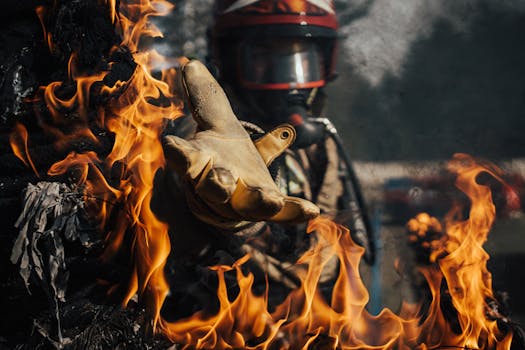
Firefighters in the UK are responsible for responding to emergency situations such as fires, road traffic collisions, chemical spills, and rescues. The role involves operating fire engines and equipment, saving lives, protecting property, and educating the public about fire prevention and safety. Firefighters must be physically fit, able to work well under pressure, and prepared for dangerous or unpredictable situations. The job also includes maintaining equipment, carrying out training exercises, and working closely with other emergency services. Entry is competitive and usually requires passing physical and written tests, as well as ongoing training.

Firefighter

Flag Media

Please select a reason for flagging this content.

📊 Statistics

Average Salary

The average salary for a firefighter in the UK ranges from £24,000 to £41,000 per year depending on experience and location.

Number of Firefighters

As of 2023, there are approximately 32,000 full-time firefighters employed in the UK.

Working Hours

Firefighters typically work 42 hours per week, often in shifts that include nights, weekends, and public holidays.

🚀 Careers in this path

Flag Media

Please select a reason for flagging this content.

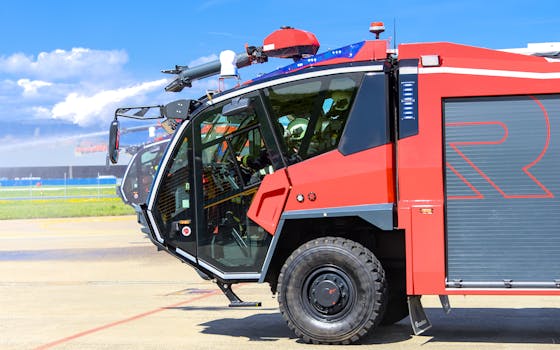
Airport Firefighter

Specialises in responding to fire and emergency incidents at airports, dealing with aircraft fires, fuel spills, and rescue situations.

Flag Media

Please select a reason for flagging this content.

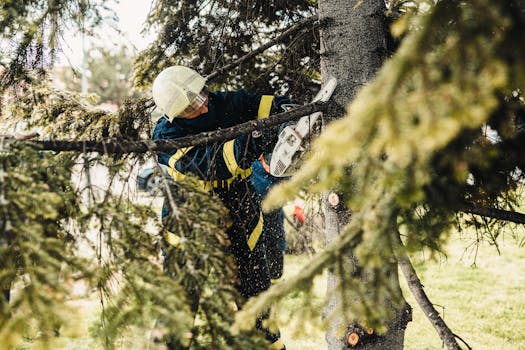
Wildland Firefighter

Focuses on preventing and controlling fires in forests, moorlands, and rural areas, often working outdoors in challenging conditions.

Fire Investigation Officer

Examines fire scenes to determine the cause, gathers evidence, and works with the police and insurance companies to investigate suspicious fires.

Meet Entry Requirements

Gain Basic Qualifications

Achieve at least GCSEs in English and Maths, usually at grades 9 to 4 (A to C).

Most fire and rescue services require a minimum of GCSEs in English and Maths. Some may also accept equivalent qualifications such as Functional Skills. Having science or physical education can be advantageous but is not always essential.

Meet Physical and Medical Standards

Ensure you are physically fit and meet health and eyesight criteria set by the UK fire service.

Firefighting is physically demanding. You will need to pass fitness assessments, which may include ladder climbs, casualty evacuation, and equipment carries. A medical examination and eyesight test are also required, and you must be able to work effectively as part of a team.

Be Over 18 and Have the Right to Work

You must be at least 18 years old and legally allowed to work in the UK.

Most fire and rescue services require you to be over 18 years of age at the time you start training. You will also need the right to work in the UK, which may involve showing proof of citizenship or a valid visa.

Apply and Prepare

Research Fire and Rescue Services

Look up local fire and rescue services and check their recruitment schedules and entry requirements.

Firefighter recruitment in the UK is highly competitive and not always open year-round. Visit the websites of local fire and rescue services to find out when applications are open and to learn about the qualities they are looking for in candidates.

Complete the Application Process

Submit an online application form and provide evidence of your skills and motivation.

The application process usually involves completing a detailed form where you outline your experiences and suitability for the role. You may need to address specific competencies such as teamwork, communication, and problem-solving.

Prepare for Selection Tests

Practise for written, practical, and physical tests as part of the recruitment process.

Selection often includes numerical and verbal reasoning tests, physical assessments, and practical tasks that simulate firefighting situations. Some services provide practice materials online. Preparing in advance can improve your confidence and performance.

Complete Training and Start Your Career

Attend Initial Firefighter Training

Successfully complete basic training at a fire service training centre.

Initial training programmes typically last between 12 and 18 weeks and cover fire safety, emergency response, first aid, and teamwork. You will gain hands-on experience with firefighting equipment and learn how to respond to different types of emergencies.

Undertake Probationary Period

Work as a trainee firefighter under supervision for a set probationary period.

After initial training, you will usually spend a period (often 12 to 18 months) as a probationary firefighter. During this time, you will work alongside experienced colleagues, take part in further training, and develop your skills on the job.

Continue Professional Development

Take part in ongoing training and development to progress in your career.

Firefighters regularly update their skills through courses in specialist areas such as road traffic collisions, hazardous materials, or community fire safety. With experience, you can progress to roles such as Crew Manager, Watch Manager, or even Station Manager.

🎯 View Apprenticeships

Explore relevant apprenticeships that can help you kickstart your career in Firefighter. Apprenticeships offer hands-on experience and training while earning a wage.

Career Progressions

This page showcases various career options and the pathways to reach them. Each career listed here shares transferable skills and knowledge, making it easier for individuals to transition between them.

Your current career is highlighted to help you see how it fits into the broader landscape of potential career choices. By clicking on any career, you can learn more about it, including the training and education required to pursue it.

Remember, progressing in your career often involves further learning and training. This page provides insights into future career options as well as those that can lead up to your current one.

These career progression decisions are informed by comparing the skills and knowledge needed for different occupations, along with data on how people move between them. Explore the possibilities and discover the exciting journey ahead in your career!

Sample Qualifications

How to become

You can get into this job through:

  • a college course
  • an apprenticeship
  • applying directly
  • a fire service training course

College

You could take a college course before applying to join the fire service as a trainee, though this is not essential.

Courses include:

  • public services
  • fire and rescue services in the community

Entry requirements

Entry requirements for these courses vary.

More Information

Apprenticeship

You could apply for an Operational Firefighter Level 3 Advanced Apprenticeship with a fire and rescue service.

The apprenticeship takes about 2 years and combines on-the-job training with off-site study.

Entry requirements

You'll usually need:

  • GCSEs grades 9 to 4 (A* to C), or equivalent, in English and maths

More Information

Volunteering

Volunteering or working in a support role, for example emergency call handling or fire safety home visits, will give you an idea of what the job is like, as well as access to internal vacancies. You'll usually need to be 18 or over.

Most fire and rescue services also run a Fire Cadets scheme. They're typically aimed at young people aged between 13 and 17 and offer a few hours' training each week in:

  • basic firefighting drills
  • using equipment
  • first aid
  • fire safety

Contact your local fire service to find out more about volunteering opportunities and fire cadets.

Direct Application

You can apply directly to join the fire service. Each service sets its own entry requirements.

Many ask for GCSEs at grades 9 to 4 (A* to C) in English and maths, or equivalent qualifications.

The selection process can take some time and involves:

  • online aptitude tests
  • attendance at an assessment centre
  • fitness and medical checks
  • interviews

Fire services hold regular outreach events where you can speak to firefighters about the job and register your interest for upcoming vacancies.

Other Routes

You may be able to join the fire service as an on-call firefighter.

You'll be trained to deal with a broad range of incidents in return for a commitment to provide shift cover during days, nights and weekends. This is a paid position and could lead to a full-time role when opportunities arise.

You can also train to be a firefighter in the Royal Air Force (RAF).

More Information

Career tips

Fire services take on new recruits at different times of the year, so check with your local fire service to find out when they are recruiting next.

Further information

You can contact your local fire and rescue service for a firefighter careers information and recruitment pack.

Interested in More Career Paths?

Explore other careers or use our AI to discover personalised paths based on your interests.

Stay connected

Join our newsletter to stay up to date on features and releases

Address
Developing Experts Limited
Exchange Street Buildings
35-37 Exchange Street
Norwich
NR2 1DP
UK

Phone
01603 273515

Email
[email protected]

Copyright 2025 Developing Experts, All rights reserved.
