

Creating Career Path...

Finding Further Careers...

Art Therapist

View this career for different education levels:

Art therapists use creative methods such as painting, drawing, and sculpture to help people manage mental health problems, emotional difficulties, or social challenges. The role involves working with individuals or groups of all ages, including children, adults, and older people, who may be experiencing issues such as anxiety, depression, trauma, or learning disabilities. Art therapy sessions provide a safe space for clients to express themselves non-verbally, which can be especially helpful for those who find it difficult to talk about their feelings. Art therapists are required to be registered with the Health and Care Professions Council in the UK, which means completing an approved postgraduate qualification. The work often takes place in hospitals, schools, community centres, or private clinics. Art therapists also collaborate with other healthcare professionals and may be involved in planning and evaluating therapy programmes.

Art Therapist

Flag Media

Please select a reason for flagging this content.

📊 Statistics

Salary Range

Art therapists in the UK typically earn between £32,306 and £45,839 per year, depending on experience and location.

Employment Settings

Art therapists are most commonly employed by the NHS, charities, and community organisations, with growing opportunities in private practice.

Number of Registered Professionals

There are currently around 1,400 registered art therapists in the UK, according to the Health and Care Professions Council.

🚀 Careers in this path

Flag Media

Please select a reason for flagging this content.

Children's Art Therapist

Focuses on helping children and young people express themselves and manage emotions through creative art activities in schools, hospitals, or community settings.

Flag Media

Please select a reason for flagging this content.

Art Therapist for Mental Health Services

Works within mental health clinics or hospitals, using art therapy techniques to support individuals dealing with anxiety, depression, or other mental health conditions.

Art Therapist for Elderly Care

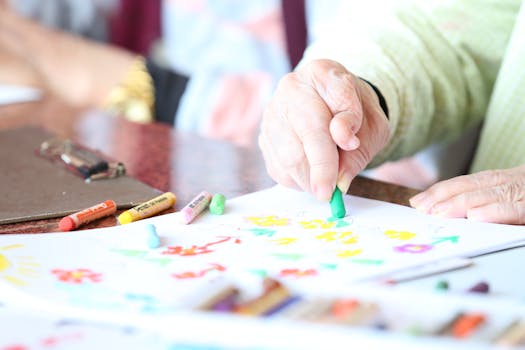
Specialises in working with older adults in care homes or day centres, using art to enhance wellbeing, memory, and social engagement.

Explore the Role and Build Foundations

Research Art Therapy

Learn about what art therapists do and the qualifications needed.

Start by reading about art therapy through reputable websites such as the British Association of Art Therapists (BAAT). Try to understand the different settings in which art therapists work, such as hospitals, schools, and mental health services. You may also want to speak to a practising art therapist or attend a careers talk or open day.

Gain Art and Helping Experience

Develop your artistic skills and get experience helping others.

Take part in art classes or workshops to improve your creative skills. Volunteering with children, vulnerable adults, or in mental health settings will help you gain relevant experience. This could include supporting art activities in community centres, hospitals, or care homes.

Gain Necessary Qualifications

Achieve Relevant Undergraduate Degree

Obtain a degree in a relevant subject such as art, psychology, or social sciences.

Most art therapy postgraduate courses require a degree in art and design, or a related subject with proven art experience. Psychology and social sciences are also accepted, but you must be able to show evidence of practical art skills through a portfolio.

Complete a Postgraduate Diploma or MA in Art Therapy

Apply for and complete an approved postgraduate course in art therapy.

Courses in the UK are approved by the Health and Care Professions Council (HCPC) and usually last two years full time. They combine academic study with supervised clinical placements, allowing you to gain practical experience working with clients. Entry is competitive, so a strong portfolio and relevant experience are important.

Register and Begin Practising

Register with the HCPC

Apply for registration with the Health and Care Professions Council.

Registration with the HCPC is a legal requirement to work as an art therapist in the UK. You will need to have successfully completed an approved postgraduate course and meet the HCPC’s standards for proficiency and conduct.

Start Work as an Art Therapist

Apply for jobs as a qualified art therapist in a suitable setting.

Look for positions in NHS trusts, schools, charities, or private practice. You may start as a newly qualified therapist and develop your career further with experience, supervision, and continuing professional development. Becoming a member of the British Association of Art Therapists can also support your professional growth.

🎯 View Apprenticeships

Explore relevant apprenticeships that can help you kickstart your career in Art Therapist. Apprenticeships offer hands-on experience and training while earning a wage.

Career Progressions

This page showcases various career options and the pathways to reach them. Each career listed here shares transferable skills and knowledge, making it easier for individuals to transition between them.

Your current career is highlighted to help you see how it fits into the broader landscape of potential career choices. By clicking on any career, you can learn more about it, including the training and education required to pursue it.

Remember, progressing in your career often involves further learning and training. This page provides insights into future career options as well as those that can lead up to your current one.

These career progression decisions are informed by comparing the skills and knowledge needed for different occupations, along with data on how people move between them. Explore the possibilities and discover the exciting journey ahead in your career!

Sample Qualifications

Both art therapists and play therapists utilise creative therapies to support individuals' emotional and psychological well-being. They often work with similar client groups, such as children and vulnerable adults, employing expressive techniques to facilitate healing and self-expression.

How to become

You can get into this job through:

  • a university course
  • an apprenticeship

University

You'll need to complete a degree followed by a postgraduate qualification approved by the British Association of Play Therapists or Play Therapy UK.

Your undergraduate degree should be in a related subject like:

  • psychology
  • early childhood studies
  • mental health nursing
  • social work
  • education

You'll also need experience of working with children in professions like teaching, nursing, counselling, therapy or social work.

Entry requirements

You'll usually need:

  • a degree in a relevant subject for postgraduate study

More Information

Apprenticeship

You could do a Play Therapist Level 7 Higher Apprenticeship.

This typically takes 3 years to complete.

Entry requirements

You'll usually need:

  • experience in related work 
  • a degree in a relevant subject

More Information

More Information

Registration

Career tips

If you have an interest in play therapy and work in a profession like teaching, nursing, counselling or social work you may be able to take an introductory course to find out more about it.

Further information

You can get more advice about careers in play therapy from the British Association of Play Therapists and Play Therapy UK.

Interested in More Career Paths?

Explore other careers or use our AI to discover personalised paths based on your interests.

Stay connected

Join our newsletter to stay up to date on features and releases

Address
Developing Experts Limited
Exchange Street Buildings
35-37 Exchange Street
Norwich
NR2 1DP
UK

Phone
01603 273515

Email
[email protected]

Copyright 2025 Developing Experts, All rights reserved.
