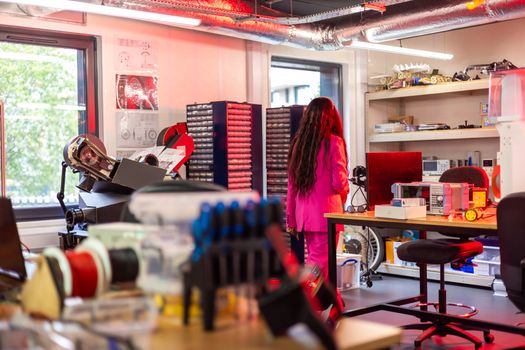
A space engineer designs and tests machines that work in space. They might help build satellites, space probes, rockets or robots. They use maths and science to make sure these machines are safe and work properly in very cold, hot and difficult places. Some space engineers work with computers, while others work with engines, materials or electronics. Most space engineers study an engineering degree at university and then gain experience in the space or aircraft industry.
A space engineer in the UK may earn about GBP 25,000 to GBP 35,000 a year at the start. Experienced engineers may earn GBP 40,000 to GBP 70,000 or more.
The UK space industry supports more than 50,000 jobs, including engineers, scientists, computer experts and technicians.
The UK has more than 1,000 organisations working in the space sector. They build satellites, rockets, space instruments and computer systems.
Maths, science, computing and design are useful subjects for becoming a space engineer.

Designs and tests rockets that carry people, satellites and equipment into space.
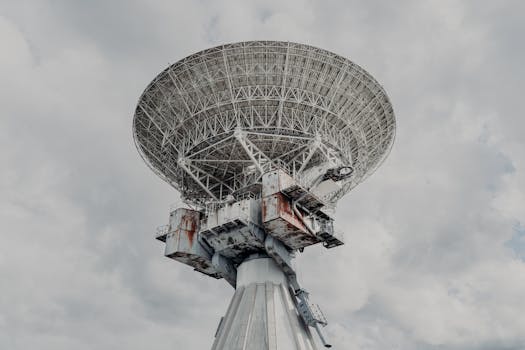
Builds spacecraft and checks that they can work safely during space missions.

Creates satellites that help with television, weather forecasts, maps and communication.
Read books and watch safe videos about planets, rockets and space missions.
Try to learn how rockets fly and how satellites move around Earth. Write down questions and look for answers with the help of a teacher or trusted adult.
Work on addition, shapes, measurements and simple problem solving.
Maths helps engineers measure parts, plan journeys and understand how objects move. Enjoy puzzles and games that make you think carefully.
Learn about forces, light, materials and electricity.
You can try simple science activities, such as making a paper rocket or testing which materials are strongest. Always complete experiments safely with an adult.
Build models using construction toys, cardboard or safe craft materials.
Design a small rover, rocket or satellite. Think about what each part does and improve your model if it does not work as planned.
Use a child friendly coding programme to control characters or robots.
Coding teaches you how to give clear instructions to machines. Tools such as Scratch can help you practise in a fun and simple way.
Join a science club, space club or team project at school.
Space engineers work in teams with many different experts. Practise listening, sharing ideas and explaining your designs clearly.
Choose subjects such as maths, physics, design and computer science when you are older.
These subjects help you understand how spacecraft are made and how they work. Ask teachers which subjects are useful for engineering courses.
Visit a science museum, planetarium or engineering event with your family or school.
Seeing real spacecraft and machines can help you discover what interests you most. Ask questions about how the objects were designed and tested.
Keep pictures and notes about your best science, design and coding projects.
A portfolio shows how you solve problems and improve your ideas. Include what you made, what went wrong and what you learned.
When you are older, consider studying aerospace, mechanical, electrical or computer engineering at university.
A degree can teach you about spacecraft, engines, electronics, computer systems and materials. Some people also gain experience through technical apprenticeships.
Look for work experience, projects or placements with engineering and space organisations.
Experience can help you understand how engineers test designs and keep people safe. It can also help you meet people who may guide your career.
Apply for junior engineering roles with space companies, research groups or government organisations.
Space engineers may design satellites, test rocket parts or create robots for other planets. Keep learning throughout your career because space technology changes quickly.

Designs and tests aeroplanes, rockets and other flying machines.

Studies stars, planets, galaxies and other objects in space.
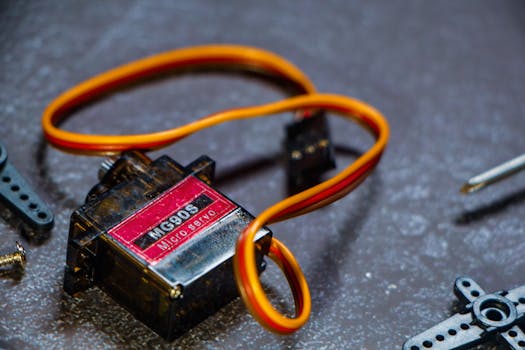
Builds robots that can explore places that are hard or dangerous for people to visit.

Builds, checks and repairs the equipment used by satellites.
Explore relevant apprenticeships that can help you kickstart your career in Space Engineer. Apprenticeships offer hands-on experience and training while earning a wage.
This page showcases various career options and the pathways to reach them. Each career listed here shares transferable skills and knowledge, making it easier for individuals to transition between them.
Your current career is highlighted to help you see how it fits into the broader landscape of potential career choices. By clicking on any career, you can learn more about it, including the training and education required to pursue it.
Remember, progressing in your career often involves further learning and training. This page provides insights into future career options as well as those that can lead up to your current one.
These career progression decisions are informed by comparing the skills and knowledge needed for different occupations, along with data on how people move between them. Explore the possibilities and discover the exciting journey ahead in your career!
Explore other careers or use our AI to discover personalised paths based on your interests.
Address
Developing Experts Limited
Exchange Street Buildings
35-37 Exchange Street
Norwich
NR2 1DP
UK
Phone
01603 273515
Email
[email protected]
Copyright 2026 Developing Experts, All rights reserved.

Unlock expert-designed lessons, resources, and assessments tailored for educators. No credit card required.
Claim Your Free Trial →We use cookies to enhance your browsing experience and analyze our traffic. Learn more.

