


Creating Career Path...

Finding Further Careers...

Fisher

View this career for different education levels:

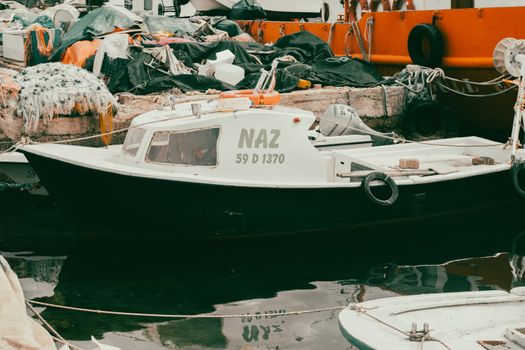
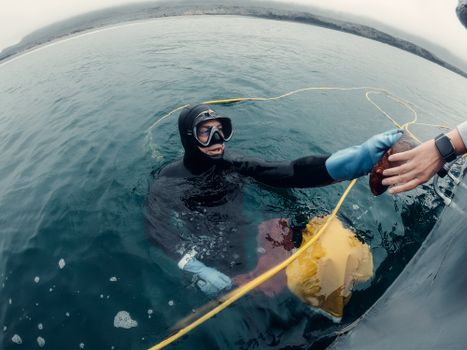
A fisher, often referred to as a fisherman or deckhand, works at sea to catch fish and other marine life for commercial sale. This is a highly physically demanding role that requires significant resilience and adaptability. Your day-to-day could involve setting and hauling nets, lines, or pots, sorting the catch, cleaning and maintaining equipment, and navigating treacherous weather conditions. Safety at sea is paramount, so understanding maritime regulations and emergency procedures is critical. Working as a fisher often means long periods away from shore, living and working in close quarters with a crew. You'll need practical skills, good physical fitness, and a strong work ethic. Many fishers start as deckhands, learning the ropes from experienced crew members and skippers. Over time, with enough experience and relevant qualifications, you could progress to roles like skipper or mate, taking on more responsibility for the vessel and its operations.

Fisher

Flag Media

Please select a reason for flagging this content.

📊 Statistics

Salary Range

Salaries for fishers in the UK can vary significantly based on experience, vessel type, and catch value. A deckhand might start around 18,000 to 22,000 GBP annually, while experienced skippers or those on successful vessels could earn 30,000 to 50,000+ GBP, often through a share of the catch.

Typical Working Hours

Working hours are highly irregular and depend on the fishing grounds, weather conditions, and type of fishing. Trips can range from a few hours to several days or even weeks at sea, with long shifts during fishing operations.

Job Outlook

The UK fishing industry has seen a decline in recent decades due to various factors, including quotas, environmental concerns, and an ageing workforce. However, there is still a demand for new entrants, particularly those willing to learn and commit to the demanding lifestyle. It is a niche but vital industry.

🚀 Careers in this path

Flag Media

Please select a reason for flagging this content.

Marine Biologist

Focuses on the study of marine life and ecosystems, conducting research, fieldwork, and conservation efforts to protect ocean biodiversity. This role often involves extensive fieldwork, data analysis, and scientific writing.

Flag Media

Please select a reason for flagging this content.

Aquaculture Technician

Works in fish farms or aquaculture facilities, involved in the breeding, rearing, and harvesting of aquatic organisms like fish or shellfish. Responsibilities include water quality management, feeding, disease prevention, and equipment maintenance.

Flag Media

Please select a reason for flagging this content.

Fisheries Scientist

Analyses fish populations, habitats, and fishing practices to provide scientific advice for sustainable fisheries management. This often involves collecting data, modelling fish stocks, and advising government bodies or conservation organisations on policy.

Foundation & Training

Gain Foundational Skills and Qualifications

Start by acquiring essential practical skills and basic safety certifications crucial for working at sea.

While formal university degrees aren't typically required, obtaining vocational qualifications is highly beneficial. Look into courses offered by colleges or maritime training centres that cover subjects like marine engineering, navigation, seamanship, and fish handling. Essential certifications include the Seafish Basic Safety Training (BST) which covers Personal Survival Techniques, Fire Fighting and Fire Prevention, Elementary First Aid, and Personal Safety and Social Responsibilities. These are fundamental for working on commercial fishing vessels in the UK and internationally.

Apprenticeship or Entry-Level Deckhand Role

Seek opportunities to learn on the job by joining an experienced fishing crew.

Many fishers begin their careers as deckhands, learning directly from experienced skippers and crew members. This hands-on experience is invaluable for understanding fishing gear, vessel operations, safety protocols, and the rhythms of life at sea. Look for apprenticeships offered through schemes like the Seafish Apprenticeship Programme, which combines practical experience with structured training. Networking within fishing communities and visiting local ports can also help you find these entry-level roles.

Develop Practical Fishing Knowledge

Actively learn about different fishing methods, species, and marine environments.

During your initial years, focus on understanding the specifics of various fishing techniques (e.g., trawling, potting, netting, longlining), the types of fish caught in different seasons and locations, and the relevant quotas and regulations. Learn how to maintain fishing gear, operate onboard machinery, and handle catches safely and efficiently. Observing experienced crew and asking questions will accelerate your learning in this practical domain.

Advancement & Specialisation

Specialise in a Fishing Type or Area

Decide on a particular type of fishing or a specific geographical area to develop expertise.

As you gain experience, you might find an affinity for specific types of fishing, such as shellfish potting, pelagic trawling, or inshore line fishing. Specialising allows you to deepen your knowledge of particular species, gear, and fishing grounds, making you a more valuable crew member or even preparing you to run your own operation. This specialisation can also involve understanding the specific market demands for certain catches.

Obtain Advanced Marine Certifications

Pursue higher-level maritime qualifications to take on more responsibility.

To progress to roles like Mate or Skipper, you'll need to acquire additional certifications. These typically include the Seafish Skipper's Ticket (Under 16.5m or Over 16.5m) or the MCA (Maritime and Coastguard Agency) Certificate of Competency for Fishing Vessels. These involve more advanced training in navigation, radar, electronic aids, engineering, and marine legislation. Practical sea time requirements are a significant part of achieving these qualifications.

Gain Leadership Experience

Take on supervisory roles and demonstrate leadership abilities within the crew.

As you accumulate experience and advanced certifications, seek opportunities to lead small teams or take charge of specific operations on board. This could involve overseeing gear deployment, supervising junior crew, or managing aspects of the catch processing. Developing strong communication, decision-making, and problem-solving skills in challenging marine environments is crucial for future leadership roles like Skipper or Owner.

Leadership & Ownership

Become a Skipper or Vessel Manager

Take full responsibility for a fishing vessel, its crew, and its operations.

Once you have extensive experience and the necessary Skipper's tickets, you can become the master of a fishing vessel. This role involves making all strategic decisions, including where and when to fish, managing the crew, ensuring compliance with all safety and environmental regulations, and maintaining the vessel. It's a demanding role that requires acute judgement, leadership, and a deep understanding of marine conditions and markets.

Consider Vessel Ownership

Explore the possibility of purchasing or building your own fishing vessel and business.

For the ultimate level of autonomy and potential financial reward, many experienced fishers aspire to own their own vessel and run their own fishing business. This involves significant capital investment, securing quotas, managing finances, marketing your catch, and dealing with all aspects of business ownership. It requires strong entrepreneurial skills in addition to your fishing expertise. Researching funding options, business plans, and market analysis will be key.

Mentor New Entrants and Advocate for the Industry

Share your knowledge and experience with the next generation of fishers and contribute to the industry's future.

As an experienced fisher, contributing to the sustainability and future of the industry is a valuable step. This could involve mentoring apprentices, participating in industry bodies, or advocating for responsible fishing practices and marine conservation. Your insights can help shape policies, improve training standards, and ensure the long-term viability of fishing as a career.

🎬 Useful Videos

🎯 View Apprenticeships

Explore relevant apprenticeships that can help you kickstart your career in Fisher. Apprenticeships offer hands-on experience and training while earning a wage.

Career Progressions

This page showcases various career options and the pathways to reach them. Each career listed here shares transferable skills and knowledge, making it easier for individuals to transition between them.

Your current career is highlighted to help you see how it fits into the broader landscape of potential career choices. By clicking on any career, you can learn more about it, including the training and education required to pursue it.

Remember, progressing in your career often involves further learning and training. This page provides insights into future career options as well as those that can lead up to your current one.

These career progression decisions are informed by comparing the skills and knowledge needed for different occupations, along with data on how people move between them. Explore the possibilities and discover the exciting journey ahead in your career!

Sample Qualifications

While 'Fisher' is a broad term, 'Fishing boat deckhand' is the closest official title amongst the options, as a deckhand directly participates in fishing operations on a vessel, which aligns with the primary duties of a fisher.

How to become

You can get into this job through:

  • a college course
  • an apprenticeship
  • applying directly
  • training through a professional body

College

You may be able to do a course in maritime studies at a fishing industry training college. Once complete, you could apply for work as a trainee deckhand on a fishing vessel.

On a course, you'll learn:

  • deck, ropes and fishing gear operation
  • how to store a catch
  • basic navigation skills
  • vessel maintenance

You'll also get training in sea safety and first aid.

Entry requirements

Entry requirements for these courses vary.

More Information

Apprenticeship

You could apply to do a Fisher Level 2 Intermediate Apprenticeship.

This apprenticeship can take up to 2 years to complete.

It combines training at sea with onshore study at a college or learning provider.

You could also apply for a place on a Ship's Master Level 4 Higher Apprenticeship, if you want to train to become a skipper. This apprenticeship takes around 4 years.

Entry requirements

Employers will set their own entry requirements.

More Information

Direct Application

If you have experience of working or training on ships or boats, and the correct safety certificates, you may be able to find work. You could contact vessel skippers directly or fishing crew agencies, and train on the job.

Other Routes

You may be able to do the Introduction to Commercial Fishing course, which is backed by Seafish, who support the UK's fishing industry.

The course is for anyone looking to work on a commercial vessel. It covers basic industry skills and knowledge, along with 4 mandatory training units that you'll need to work onboard a boat:

  • sea survival
  • fire fighting
  • health and safety
  • first aid

More Information

Career tips

You'll need to be willing to move if necessary, as approved training centres are located near to established fishing ports around the country.

Further information

You can find more information about careers in the fishing industry from Seafish.

Interested in More Career Paths?

Explore other careers or use our AI to discover personalised paths based on your interests.

Stay connected

Join our newsletter to stay up to date on features and releases

Address
Developing Experts Limited
Exchange Street Buildings
35-37 Exchange Street
Norwich
NR2 1DP
UK

Phone
01603 273515

Email
[email protected]

Copyright 2026 Developing Experts, All rights reserved.
