

Creating Career Path...

Finding Further Careers...

Fisher

View this career for different education levels:

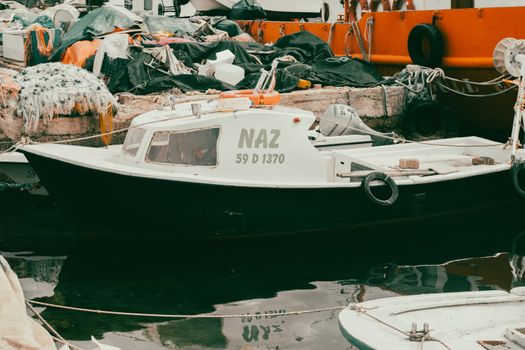
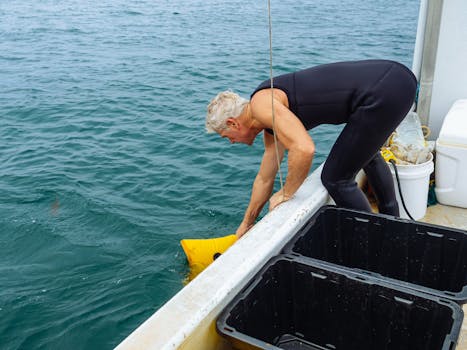
Being a fisher means spending your working life out at sea, catching fish and other seafood. It's a very hands-on job where you learn to operate fishing gear like nets or pots, maintain the boat and equipment, and process the catch ready to be sold. You need to be strong and fit, as it involves a lot of physical work in all kinds of weather, from sunny days to rough seas. Safety is super important on a fishing boat, so you'll also learn how to stay safe and help others in an emergency. It's a job for someone who loves the sea, doesn't mind hard work, and enjoys being part of a close-knit team.

Fisher

Flag Media

Please select a reason for flagging this content.

📊 Statistics

Average Salary

In the UK, a fisher's salary can vary quite a lot depending on their experience and the type of fishing. On average, you might expect to earn between 18,000 to 25,000 pounds a year as a deckhand, with more experienced skippers earning upwards of 30,000 pounds or more.

Number of Positions

The fishing industry in the UK employs around 11,000 people, with a significant number of these working directly as fishers or in related processing roles. While it's a traditional industry, new opportunities sometimes arise, especially for those willing to learn the ropes.

Working Hours

Working as a fisher often involves long and irregular hours. Trips can last for days or even weeks at a time, requiring early starts and late finishes, and you'll often work through weekends and public holidays.

🚀 Careers in this path

Flag Media

Please select a reason for flagging this content.

Marine Biologist

Studies fish and other amazing creatures in the sea, lakes, and rivers to help protect them and understand their habitats. You might research different species or help conserve their environments.

Flag Media

Please select a reason for flagging this content.

Aquarist

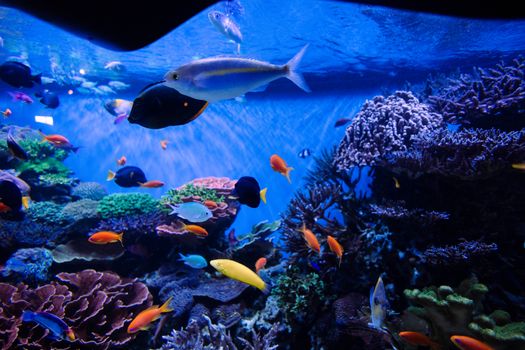
Works at an aquarium, looking after all sorts of fish and aquatic animals. This involves feeding them, cleaning their tanks, and making sure they are healthy and happy.

Flag Media

Please select a reason for flagging this content.

Fisheries Scientist

Researches fish populations to ensure they are healthy and sustainable for the future. This role helps manage fishing to prevent overfishing and protect marine ecosystems.

Learn the Basics

Try Fishing as a Hobby

Start by trying out fishing for fun with friends or family. This will help you see if you enjoy being by the water and waiting for fish.

Many local areas have fishing clubs or accessible lakes and rivers where you can try fishing. You might need a fishing licence, even for hobby fishing, so check the rules with the Environment Agency in England or similar bodies in Scotland, Wales, or Northern Ireland. Using simple rods and lines is a great way to begin.

Learn About Fish and Water Safety

Find out about different types of fish, where they live, and how to stay safe around water. This includes understanding tides and currents.

You can read books, watch documentaries, or ask experienced anglers. Understanding what different fish eat, where they hide, and when they are most active will make you a better fisher. Water safety is super important; always tell someone where you're going, learn to swim, and understand basic first aid for cuts or minor accidents.

Visit a Local Fish Market or Port

See where fish are brought in and sold. It's a great way to understand the business side and meet people who work in fishing.

Many coastal towns have busy ports or fish markets. You can see the boats coming in, watch the fish being unloaded, and maybe even chat to a fisherperson about their day. It helps you see the whole journey from sea to plate and understand what a full-time fishing job involves.

Gain Experience

Volunteer or Get a Part-time Job

Look for opportunities to help out on fishing boats, at a fish farm, or in a related seafood business. This can give you real-world experience.

Even helping with cleaning equipment, sorting catches, or preparing nets can teach you a lot. These types of roles show you the hard work involved and help you understand the daily routines of a commercial fisher. Always ask if you can observe and learn.

Take Relevant School Subjects

Focus on subjects like Maths for navigation and budgeting, English for communication, and Sciences for understanding marine life.

Understanding how to read charts and use navigation equipment often involves maths. Good communication is vital for working in a team on a boat. Science can help you learn about fish biology, ecosystems, and environmental factors that affect fishing.

Get Practical Skills

Learn useful skills like tying knots, basic boat maintenance, and how to use different types of fishing gear.

You can often learn knot-tying from books, online videos, or by asking experienced fishers. Basic boat maintenance, like checking engines or fixing small problems, is also very helpful. Understanding how to mend nets or prepare lines correctly are crucial hands-on skills.

Professional Path

Consider an Apprenticeship

Look for apprenticeships in maritime operations or commercial fishing. This is a great way to learn on the job.

A fishing apprenticeship usually combines practical work at sea with some classroom learning. You'll work alongside experienced fishers, learning how to operate vessels, handle gear, and process catches safely and efficiently. You'll also learn about maritime law and health and safety regulations.

Obtain Relevant Qualifications

You'll need specific certificates for working on commercial fishing vessels, especially for safety and operating equipment.

As you get older, you will need to get qualifications like the Seafish Basic Safety Training (including First Aid, Fire Fighting, Personal Survival Techniques, and Social Responsibility). If you want to skipper a boat one day, you'll need more advanced qualifications like a Skipper's Ticket or Certificate of Competency from the Maritime and Coastguard Agency (MCA).

Start as a Crew Member

Your first proper job will likely be as a crew member on a commercial fishing vessel, working your way up.

This involves long hours and hard work, often in challenging weather conditions. You'll learn the ropes from experienced crew, helping with all aspects of fishing, from setting and hauling nets to sorting fish and cleaning the boat. Over time, you can gain experience to become a more skilled deckhand, and potentially a skipper or owner.

🎬 Useful Videos

🎯 View Apprenticeships

Explore relevant apprenticeships that can help you kickstart your career in Fisher. Apprenticeships offer hands-on experience and training while earning a wage.

Career Progressions

This page showcases various career options and the pathways to reach them. Each career listed here shares transferable skills and knowledge, making it easier for individuals to transition between them.

Your current career is highlighted to help you see how it fits into the broader landscape of potential career choices. By clicking on any career, you can learn more about it, including the training and education required to pursue it.

Remember, progressing in your career often involves further learning and training. This page provides insights into future career options as well as those that can lead up to your current one.

These career progression decisions are informed by comparing the skills and knowledge needed for different occupations, along with data on how people move between them. Explore the possibilities and discover the exciting journey ahead in your career!

Sample Qualifications

A Fisher typically refers to someone who catches fish, often from a boat. While a Fish farmer raises fish, a Fishing boat deckhand is directly involved in the activity of fishing from a vessel, which aligns more closely with the general understanding of a Fisher.

How to become

You can get into this job through:

  • a college course
  • an apprenticeship
  • applying directly
  • training through a professional body

College

You may be able to do a course in maritime studies at a fishing industry training college. Once complete, you could apply for work as a trainee deckhand on a fishing vessel.

On a course, you'll learn:

  • deck, ropes and fishing gear operation
  • how to store a catch
  • basic navigation skills
  • vessel maintenance

You'll also get training in sea safety and first aid.

Entry requirements

Entry requirements for these courses vary.

More Information

Apprenticeship

You could apply to do a Fisher Level 2 Intermediate Apprenticeship.

This apprenticeship can take up to 2 years to complete.

It combines training at sea with onshore study at a college or learning provider.

You could also apply for a place on a Ship's Master Level 4 Higher Apprenticeship, if you want to train to become a skipper. This apprenticeship takes around 4 years.

Entry requirements

Employers will set their own entry requirements.

More Information

Direct Application

If you have experience of working or training on ships or boats, and the correct safety certificates, you may be able to find work. You could contact vessel skippers directly or fishing crew agencies, and train on the job.

Other Routes

You may be able to do the Introduction to Commercial Fishing course, which is backed by Seafish, who support the UK's fishing industry.

The course is for anyone looking to work on a commercial vessel. It covers basic industry skills and knowledge, along with 4 mandatory training units that you'll need to work onboard a boat:

  • sea survival
  • fire fighting
  • health and safety
  • first aid

More Information

Career tips

You'll need to be willing to move if necessary, as approved training centres are located near to established fishing ports around the country.

Further information

You can find more information about careers in the fishing industry from Seafish.

Interested in More Career Paths?

Explore other careers or use our AI to discover personalised paths based on your interests.

Stay connected

Join our newsletter to stay up to date on features and releases

Address
Developing Experts Limited
Exchange Street Buildings
35-37 Exchange Street
Norwich
NR2 1DP
UK

Phone
01603 273515

Email
[email protected]

Copyright 2026 Developing Experts, All rights reserved.
