Creating Career Path...

Finding Further Careers...

Fisher

View this career for different education levels:

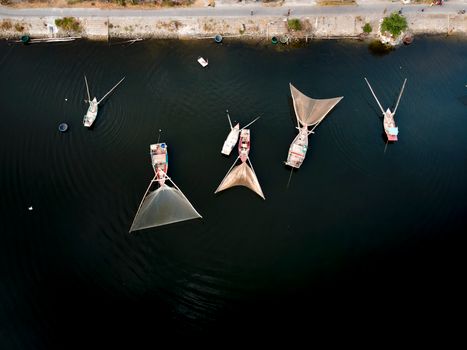
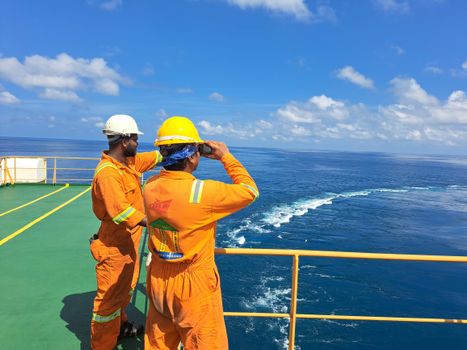
Being a fisher means you spend your days catching fish from the sea, rivers, or lakes. You might work on a big boat out in the ocean for many days, or on a smaller boat closer to the coast. Fishers use nets, lines, and pots to catch different types of fish like cod, haddock, crab, or lobster. It is an important job because fishers help to put food on our tables! It can be a very active job, sometimes working in all kinds of weather, even when it is windy and rainy. You need to be strong and enjoy being outdoors and on the water.

Fisher

Flag Media

Please select a reason for flagging this content.

📊 Statistics

Starting Salary

Someone just starting out as a fisher in the UK might earn around 15,000 to 20,000 pounds a year.

Experienced Salary

An experienced fisher in the UK could earn between 25,000 and 40,000 pounds a year, especially if they own their boat or catch a lot of fish.

Number of Jobs

There are about 11,000 people working as fishers and related jobs in the UK.

🚀 Careers in this path

Flag Media

Please select a reason for flagging this content.

Marine Biologist

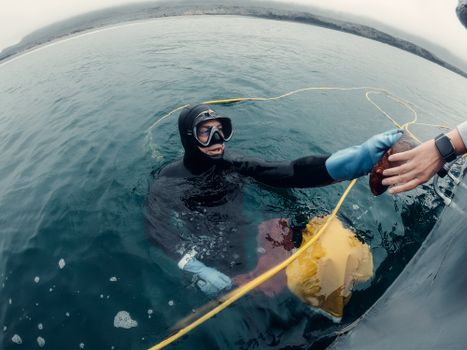
Imagine being a detective for the sea! A Marine Biologist studies all the amazing plants and animals that live in the ocean, like colourful fish, giant whales, and tiny crabs. They might help protect sea creatures or learn how they live.

Flag Media

Please select a reason for flagging this content.

Aquarium Curator

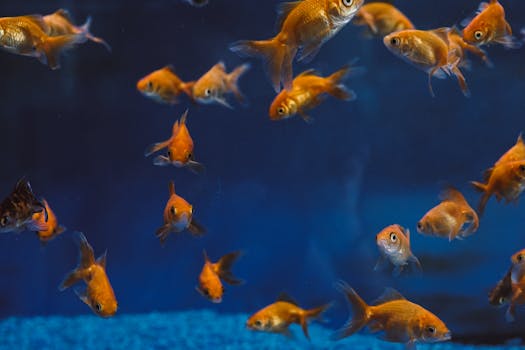
An Aquarium Curator is like a zookeeper, but for fish and other water animals! They make sure all the creatures in an aquarium are happy and healthy, that their tanks are clean, and that they have the right food. They also help people learn about them.

Flag Media

Please select a reason for flagging this content.

Fish Farmer

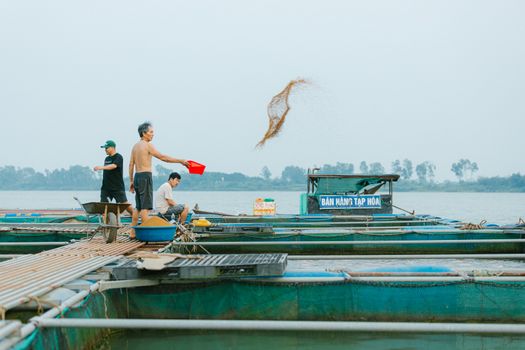
A Fish Farmer looks after lots of fish that live in special ponds or big tanks, making sure they grow big and strong. This helps provide healthy food for people and can also help protect wild fish by not taking too many from the sea.

Learning About Fish

Visit the Seaside

Go to the beach or a harbour with your family and watch the fishing boats. You might even see fishers bringing in their catch!

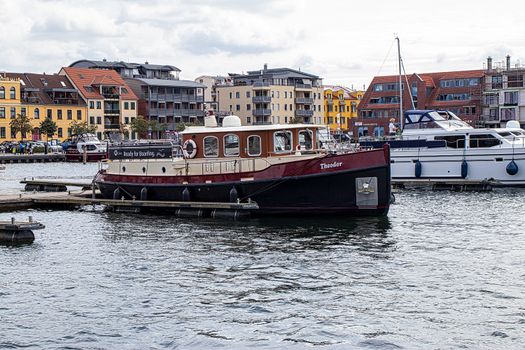
When you visit the seaside, look closely at the boats. Some will be small, and some will be big. Try to spot the nets or pots on the boats. These are what fishers use to catch fish and other sea creatures. You might even see a fishmonger's shop, which is where fresh fish is sold.

Read Fishy Books

Find books about different types of fish, sea creatures, and how they live in the ocean. This will help you learn their names and what they look like.

There are lots of amazing books about ocean life! Look for ones with colourful pictures of sharks, whales, cod, haddock, and other fish. You can learn about what they eat, where they live, and even fun facts about how they swim or hunt. The more you know, the better you'll understand a fisher's job.

Watch Fishing Shows

Watch TV shows or videos about fishing to see what fishers do day-to-day. You can learn about their tools and how they work.

Many TV channels have documentaries or shows about people who work at sea. These shows can teach you about different fishing methods, like using long lines or big nets. You'll see how challenging but also exciting the job can be, and how important it is to be safe on the water.

Getting Ready

Try Fishing with a Rod

Ask an adult to take you to a local pond or river to try fishing with a simple rod and line. It's a fun way to learn patience!

Starting with a rod and line in a safe place like a pond is a great way to understand how fish bite and how to reel them in. You'll need bait, like worms, and an adult to show you how to cast the line. Remember to always put the fish back carefully if you're fishing for sport!

Learn About the Sea

Understand why the sea can be choppy or calm, and what different weather means for being on a boat.

The sea is amazing but can also be powerful. Learn about tides – how the water goes up and down – and about different types of waves. Knowing about weather, like when it's sunny or stormy, is very important for fishers because it affects their safety and how much fish they can catch. You can often learn about this from coastal weather forecasts.

Join a Sea Cadet Group

If there's one nearby, joining Sea Cadets can teach you lots about boats, knots, and being safe on the water.

Sea Cadets is a wonderful organisation for young people who love the sea. You can learn useful skills like tying different knots, understanding how boats work, and even basic first aid. These are all skills that would be very helpful for a future fisher, and you'll make new friends too!

Future Steps

Study Science at School

Learning about science, especially biology, will help you understand fish and their environment even better.

At school, pay attention in your science lessons! Biology teaches you about living things, including fish and other sea creatures. You'll learn about ecosystems, which is how everything in the ocean works together. This knowledge is really important for understanding fish populations and how to fish sustainably, so there are always fish for the future.

Look for Work Experience

When you're older, you could try to get some work experience on a fishing boat or at a fish market to see the job up close.

Once you're a bit older, maybe in your teenage years, you could ask around local harbours to see if any fishers would let you spend a day on their boat, or help out at a fishmonger. This 'hands-on' experience is the best way to see what the job is really like and to learn from people who do it every day. Always make sure to ask an adult to help you arrange this and ensure it's a safe environment.

Consider Training Courses

After school, there are special courses you can take to learn all the skills needed to be a professional fisher, like boat safety and navigation.

To become a professional fisher in the UK, you'll need specific training. This includes courses in sea safety, first aid at sea, and sometimes even how to navigate a boat using charts and instruments. These courses make sure you are safe and skilled to work on a fishing vessel. Your local college or maritime training centres are good places to look for these.

🎬 Useful Videos

🎯 View Apprenticeships

Explore relevant apprenticeships that can help you kickstart your career in Fisher. Apprenticeships offer hands-on experience and training while earning a wage.

Career Progressions

This page showcases various career options and the pathways to reach them. Each career listed here shares transferable skills and knowledge, making it easier for individuals to transition between them.

Your current career is highlighted to help you see how it fits into the broader landscape of potential career choices. By clicking on any career, you can learn more about it, including the training and education required to pursue it.

Remember, progressing in your career often involves further learning and training. This page provides insights into future career options as well as those that can lead up to your current one.

These career progression decisions are informed by comparing the skills and knowledge needed for different occupations, along with data on how people move between them. Explore the possibilities and discover the exciting journey ahead in your career!

Sample Qualifications

A Fisher typically works on a fishing vessel, performing duties similar to a deckhand such as handling fishing gear, processing the catch, and maintaining the boat.

How to become

You can get into this job through:

  • a college course
  • an apprenticeship
  • applying directly
  • training through a professional body

College

You may be able to do a course in maritime studies at a fishing industry training college. Once complete, you could apply for work as a trainee deckhand on a fishing vessel.

On a course, you'll learn:

  • deck, ropes and fishing gear operation
  • how to store a catch
  • basic navigation skills
  • vessel maintenance

You'll also get training in sea safety and first aid.

Entry requirements

Entry requirements for these courses vary.

More Information

Apprenticeship

You could apply to do a Fisher Level 2 Intermediate Apprenticeship.

This apprenticeship can take up to 2 years to complete.

It combines training at sea with onshore study at a college or learning provider.

You could also apply for a place on a Ship's Master Level 4 Higher Apprenticeship, if you want to train to become a skipper. This apprenticeship takes around 4 years.

Entry requirements

Employers will set their own entry requirements.

More Information

Direct Application

If you have experience of working or training on ships or boats, and the correct safety certificates, you may be able to find work. You could contact vessel skippers directly or fishing crew agencies, and train on the job.

Other Routes

You may be able to do the Introduction to Commercial Fishing course, which is backed by Seafish, who support the UK's fishing industry.

The course is for anyone looking to work on a commercial vessel. It covers basic industry skills and knowledge, along with 4 mandatory training units that you'll need to work onboard a boat:

  • sea survival
  • fire fighting
  • health and safety
  • first aid

More Information

Career tips

You'll need to be willing to move if necessary, as approved training centres are located near to established fishing ports around the country.

Further information

You can find more information about careers in the fishing industry from Seafish.

Interested in More Career Paths?

Explore other careers or use our AI to discover personalised paths based on your interests.

Stay connected

Join our newsletter to stay up to date on features and releases

Address
Developing Experts Limited
Exchange Street Buildings
35-37 Exchange Street
Norwich
NR2 1DP
UK

Phone
01603 273515

Email
[email protected]

Copyright 2026 Developing Experts, All rights reserved.
