Creating Career Path...

Finding Further Careers...

Stonemason

View this career for different education levels:

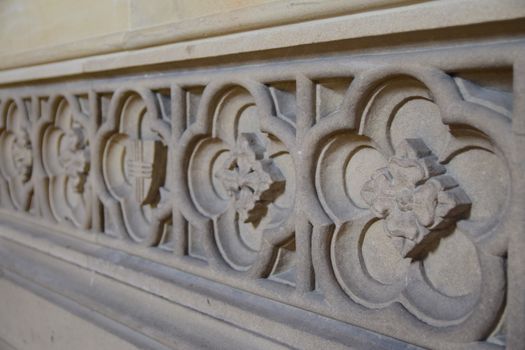
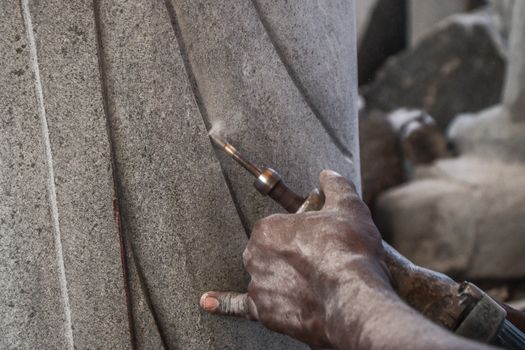
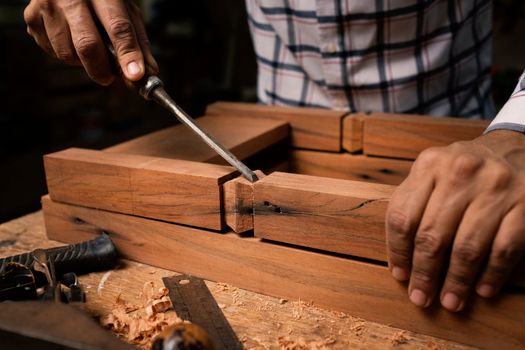
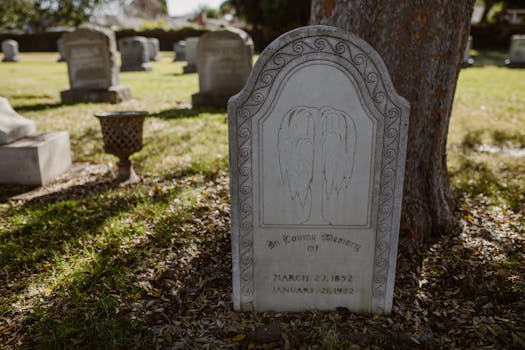
A stonemason is a highly skilled craftsperson who works with natural stone to create, repair, and restore structures and decorative features. This ancient profession is vital in both modern construction and the preservation of historic buildings across the UK. Stonemasons are involved in every stage, from selecting the right type of stone and cutting it to precise specifications, to carving intricate designs and assembling the finished pieces on site. They use a combination of traditional hand tools and modern machinery, depending on the project. The work is physically demanding but incredibly rewarding, often requiring an artistic eye, meticulous attention to detail, and a deep understanding of different stone types and their properties. Stonemasons might specialise in areas such as banker masonry (shaping stone in a workshop), monumental masonry (creating memorials and headstones), or fixing masonry (installing stone on buildings). A significant portion of the work in the UK involves the conservation and restoration of cathedrals, historic houses, and other listed buildings, ensuring our architectural heritage is preserved for future generations.

Stonemason

Flag Media

Please select a reason for flagging this content.

📊 Statistics

Average Salary (UK)

Starting salaries for an apprentice stonemason typically range from £15,000 to £20,000 per year. Experienced stonemasons can expect to earn between £25,000 and £40,000, with highly skilled or specialist masons potentially exceeding £45,000, particularly those involved in conservation or bespoke projects.

Employment Outlook (UK)

While not a huge industry, there's a consistent demand for skilled stonemasons, particularly in heritage conservation and high-end construction. The number of active stonemasons in the UK is estimated to be in the low thousands, with a notable need for new talent to replace an ageing workforce and maintain traditional skills.

Working Hours (UK)

Most stonemasons work standard full-time hours, typically around 37-40 hours per week, Monday to Friday. However, project deadlines or specific restoration work might occasionally require flexibility, including some weekend work or longer days.

🚀 Careers in this path

Flag Media

Please select a reason for flagging this content.

Heritage Stonemason

Focuses on the restoration and conservation of historic buildings and monuments using traditional stonemasonry techniques. This often involves working on listed buildings, cathedrals, and ancient ruins, requiring a deep understanding of historical methods and materials.

Flag Media

Please select a reason for flagging this content.

Architectural Stonemason

Specialises in the design, cutting, and installation of stone elements for new builds and contemporary architectural projects. This could include intricate facades, bespoke staircases, fireplaces, and decorative features, often working closely with architects and designers.

Flag Media

Please select a reason for flagging this content.

Memorial Stonemason

Concentrates on the creation and repair of headstones, memorials, and commemorative plaques. This involves highly skilled carving, lettering, and often a sensitive approach to working with clients to create lasting tributes.

Foundation & Apprenticeship

Research and Basic Skills

Start by understanding the basics of stonemasonry and gaining some initial practical experience.

Before committing to a full apprenticeship, it's a good idea to research the trade thoroughly. Look into different types of stonemasonry (e.g., banker masonry, monumental masonry, restoration masonry) and the tools involved. Consider taking an introductory workshop or a short course in basic hand tools or carving to see if it's a good fit for you. This initial exploration can confirm your interest and give you a head start.

Secure an Apprenticeship

The most traditional and effective route is to undertake a formal apprenticeship with an experienced stonemason.

Look for apprenticeships advertised by stonemasonry companies, heritage organisations, or through government-funded schemes like those offered via the National Apprenticeship Service. A stonemasonry apprenticeship typically lasts 3-4 years and involves hands-on training alongside studying for a relevant qualification, such as a Level 2 or Level 3 NVQ Diploma in Stonemasonry. This provides practical skills, theoretical knowledge, and industry experience, often with a focus on either banker (bench) masonry or site masonry.

Gain Relevant Qualifications

While on your apprenticeship, focus on achieving recognised qualifications in stonemasonry.

During your apprenticeship, you will typically work towards qualifications such as the NVQ Diploma in Stonemasonry (e.g., Heritage Skills (Construction) or Trowel Occupations). These qualifications demonstrate your competence and knowledge to employers. Some courses might also include specific units on carving, conservation, or different types of stone cutting. Actively participate in all training, ask questions, and practice your skills regularly to excel in your studies and practical assessments.

Skill Development & Specialisation

Master Core Techniques

Consolidate and refine your foundational skills across various stonemasonry tasks.

Once qualified, focus on consistently applying and perfecting the core techniques you've learned. This includes accurate stone cutting, shaping, setting, jointing, and pointing. Seek out opportunities to work on diverse projects that expose you to different types of stone (e.g., limestone, sandstone, granite) and construction methods. The more variety you experience, the more versatile and proficient you'll become in handling different challenges that arise on site or in the workshop.

Develop Specialised Skills

Consider focusing on a particular area of stonemasonry that interests you, such as carving or restoration.

Stonemasonry offers several specialisms. You might choose to specialise in architectural carving, creating intricate decorative elements for buildings, or monumental masonry, crafting memorials and headstones. Alternatively, you could pursue heritage restoration, working on historic buildings and monuments, requiring a deep understanding of traditional techniques and conservation principles. Look for advanced courses, workshops, or even self-directed learning opportunities to build expertise in your chosen niche. Networking with specialists in these fields can also provide valuable insights and opportunities.

Build a Portfolio & Reputation

Document your best work and establish yourself as a reliable and skilled professional.

As you gain experience, start building a comprehensive portfolio of your work, including photographs of finished projects, detailed descriptions of your role, and perhaps even sketches or plans. This portfolio is crucial for showcasing your skills to potential clients or employers. Actively seek feedback, maintain high standards of craftsmanship, and always be professional on job sites. A strong reputation, built on quality work and reliability, is invaluable for securing future projects and advancing your career.

Career Advancement & Expertise

Seek Advanced Roles

Progress into roles with more responsibility, such as lead stonemason or foreman.

With significant experience and proven expertise, you can aim for more senior positions. These roles often involve overseeing projects, managing teams of masons, ensuring quality control, and problem-solving on complex sites. Developing leadership skills, project management abilities, and a strong understanding of health and safety regulations are crucial for success in these advanced roles. Take initiative, mentor junior colleagues, and demonstrate your capacity to handle greater responsibility.

Consider Self-Employment

Explore the option of becoming a freelance stonemason or starting your own business.

Many experienced stonemasons choose to become self-employed, offering their services to various clients, from private homeowners to heritage organisations. This requires not only excellent masonry skills but also business acumen, including marketing, quoting, invoicing, and managing finances. Consider developing a business plan, building a strong network of contacts, and understanding relevant regulations and insurance requirements. Starting small and gradually building your client base can be a sustainable approach.

Become a Mentor or Trainer

Share your knowledge and experience by mentoring apprentices or teaching stonemasonry.

Once you've achieved a high level of mastery, you have the opportunity to give back to the trade by training the next generation of stonemasons. This could involve becoming an assessor for NVQ qualifications, taking on apprentices within your own business, or teaching at a college or heritage skills centre. Passing on traditional skills and knowledge is vital for the preservation of this ancient craft and can be a highly rewarding aspect of a long career in stonemasonry.

🎯 View Apprenticeships

Explore relevant apprenticeships that can help you kickstart your career in Stonemason. Apprenticeships offer hands-on experience and training while earning a wage.

Career Progressions

This page showcases various career options and the pathways to reach them. Each career listed here shares transferable skills and knowledge, making it easier for individuals to transition between them.

Your current career is highlighted to help you see how it fits into the broader landscape of potential career choices. By clicking on any career, you can learn more about it, including the training and education required to pursue it.

Remember, progressing in your career often involves further learning and training. This page provides insights into future career options as well as those that can lead up to your current one.

These career progression decisions are informed by comparing the skills and knowledge needed for different occupations, along with data on how people move between them. Explore the possibilities and discover the exciting journey ahead in your career!

Sample Qualifications

How to become

You can get into this job through:

  • a college course
  • an apprenticeship
  • working towards this role

College

You could take a college course, which would teach you some of the skills needed to get a trainee job with a building company. 

Courses include:

  • construction skills
  • craft masonry
  • stonemasonry

Entry requirements

Entry requirements for these courses vary.

More Information

Apprenticeship

You could apply to do a Stonemason Level 2 Intermediate Apprenticeship.

This apprenticeship has pathways for different types of stonemasonry work, for example:

  • interior stone fixing, often used for floors, wet rooms and kitchens
  • memorial stonemasonry
  • exterior stone fixing on buildings and structures
  • heritage stonemasonry for conserving historic monuments

This apprenticeship takes about 24 months to complete and is a mix of workplace learning and off-site study.

Entry requirements

You'll usually need:

  • some GCSEs, usually including English and maths, or equivalent, for an intermediate apprenticeship

More Information

Work

You could start as a construction labourer or bricklayer and take further training with your employer to get a qualification in stonemasonry.

More Information

Registration

Career tips

You may be able to find short training courses in heritage skills by contacting organisations like The Historic England Foundation.

Further information

You'll find more information about careers in stonemasonry from Go Construct and the Stone Federation.

You can also get details about stonemasonry carving skills from the Crafts Council.

Interested in More Career Paths?

Explore other careers or use our AI to discover personalised paths based on your interests.

Stay connected

Join our newsletter to stay up to date on features and releases

Address
Developing Experts Limited
Exchange Street Buildings
35-37 Exchange Street
Norwich
NR2 1DP
UK

Phone
01603 273515

Email
[email protected]

Copyright 2026 Developing Experts, All rights reserved.