Creating Career Path...

Finding Further Careers...

Stonemason

View this career for different education levels:

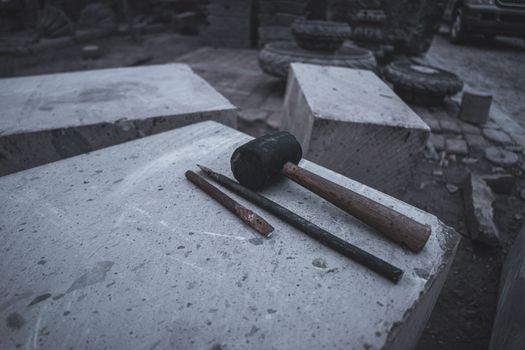
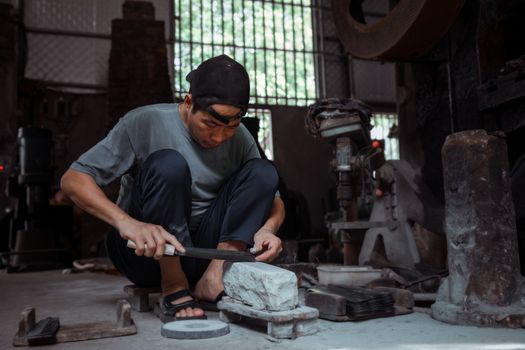
Being a stonemason means you work with stone to create, restore, or build things. Imagine shaping big blocks of rock into beautiful parts of a building, carving intricate designs, or fixing ancient cathedrals that have stood for hundreds of years. Stonemasons use a variety of tools, from hammers and chisels to modern cutting machines, to shape and finish stone. They might work on new buildings, creating walls, arches, or decorative features, or they could specialise in conservation, carefully repairing and replacing damaged stone on historic structures. This job requires a good eye for detail, patience, and a steady hand. You need to be strong enough to handle heavy materials and happy to work outdoors in different weather conditions. It is a very rewarding job because you get to see the physical results of your hard work and often leave behind a legacy that will last for generations. You will learn about different types of stone, how they behave, and the best ways to work with them, turning raw material into lasting pieces of art and architecture.

Stonemason

Flag Media

Please select a reason for flagging this content.

📊 Statistics

Average Salary (UK)

An experienced stonemason in the UK can expect to earn around 28,000 to 35,000 pounds per year. Apprentices or those just starting out might earn less, while highly skilled or self-employed stonemasons could earn more.

Typical Working Hours

Most stonemasons work around 37 to 40 hours a week, usually Monday to Friday. Sometimes, they might need to work extra hours, especially when a project needs to be finished quickly.

Job Outlook

The demand for skilled stonemasons in the UK is quite steady, especially for conservation work on old buildings and for new, high-quality construction projects. It is a niche skill, so good stonemasons are valued.

🚀 Careers in this path

Flag Media

Please select a reason for flagging this content.

Stone Carver

If you enjoy making art and being creative, you could learn to carve beautiful designs and sculptures from stone. This is a more artistic side of stonemasonry.

Flag Media

Please select a reason for flagging this content.

Dry Stone Waller

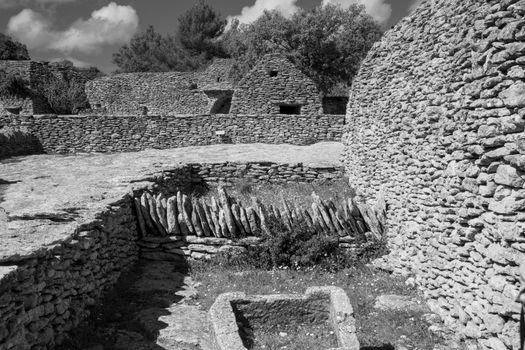
This is about building walls without using any cement, just carefully fitting stones together. It's a skill used a lot in the countryside for fields and gardens.

Flag Media

Please select a reason for flagging this content.

Monumental Mason

This involves working with stone to create memorials, like gravestones and plaques. You would learn to cut, polish, and engrave letters and designs into stone.

Learn the Basics

Explore the Craft

Start by learning about what stonemasonry involves. Watch videos, look at pictures, and read about different types of stone and what they are used for.

You can find many videos online that show stonemasons at work, shaping stones and building structures. Look up different kinds of stone like granite, limestone, or sandstone and see how they are used in buildings, monuments, or even for dry stone walls. Understanding the materials and the finished products is a great first step.

Try Some Hands-On Activities

If possible, try some simple activities that involve working with your hands, like building with toy blocks, modelling clay, or even helping with gardening projects that involve moving stones.

Getting comfortable with using your hands and understanding how things fit together is really important for a stonemason. You could try building small structures with LEGO or other construction toys, or even helping a family member with a DIY project that involves precise measurements and fitting things into place. This helps develop your spatial awareness and practical skills.

Focus at School

Pay attention in subjects like Maths and Design & Technology. These will help you with measurements, angles, and understanding how to plan and build things.

In Maths, understanding geometry, measurements, and calculations for angles and dimensions will be very useful when cutting and shaping stones. Design & Technology will give you experience with tools, materials, and following plans. Learning to draw and sketch your ideas can also be a valuable skill for a stonemason.

Gain Experience & Training

Look for Work Experience

When you're a bit older, try to find opportunities for work experience with local builders, landscapers, or stonemasons during school holidays.

This is a brilliant way to see what the job is really like day-to-day. You might help carry materials, observe skilled stonemasons at work, and ask lots of questions. Even if it's just a week, it can give you a real taste of the craft and help you decide if it's the right path for you.

Consider an Apprenticeship

After your GCSEs, an apprenticeship is one of the best ways to become a qualified stonemason. You'll work and learn on the job while also studying towards a qualification.

An apprenticeship lets you earn a wage while learning from experienced professionals. You'll get hands-on experience with different types of stone, tools, and techniques, and typically attend college one day a week to gain the academic knowledge. This path leads to recognised qualifications like an NVQ in Stonemasonry.

Explore College Courses

Some colleges offer specific courses in stonemasonry or construction that can give you a good foundation before or alongside an apprenticeship.

You could look into BTEC or NVQ courses in Construction or Heritage Skills that include elements of stonemasonry. These courses can provide you with practical skills and theoretical knowledge, making you more appealing to employers. Some dedicated stonemasonry colleges also exist, offering specialist training.

Become a Professional

Develop Specialised Skills

As you gain experience, you might want to specialise in a particular area, like carving, conservation, or dry stone walling.

Stonemasonry has many different branches. You could focus on restoration work for old buildings and cathedrals, creating intricate sculptures, building traditional dry stone walls without mortar, or working with modern architectural designs. Developing a specialism can make you highly sought after in the industry.

Join Professional Bodies

Consider joining organisations like the Stone Federation Great Britain or the Dry Stone Walling Association to connect with other professionals and stay updated.

Being part of a professional body can offer you networking opportunities, access to industry news, and information about training and development. It can also help you find work, show clients you are serious about your craft, and sometimes even lead to accreditation or certification.

Continue Learning

Stonemasonry is a craft where you never stop learning. Keep practising, learning new techniques, and refining your skills throughout your career.

Even experienced stonemasons learn new things. There are always new tools, materials, and techniques emerging, especially in conservation and restoration work. Attending workshops, reading industry publications, and learning from mentors will help you become an even more skilled and respected stonemason.

🎬 Useful Videos

🎯 View Apprenticeships

Explore relevant apprenticeships that can help you kickstart your career in Stonemason. Apprenticeships offer hands-on experience and training while earning a wage.

Career Progressions

This page showcases various career options and the pathways to reach them. Each career listed here shares transferable skills and knowledge, making it easier for individuals to transition between them.

Your current career is highlighted to help you see how it fits into the broader landscape of potential career choices. By clicking on any career, you can learn more about it, including the training and education required to pursue it.

Remember, progressing in your career often involves further learning and training. This page provides insights into future career options as well as those that can lead up to your current one.

These career progression decisions are informed by comparing the skills and knowledge needed for different occupations, along with data on how people move between them. Explore the possibilities and discover the exciting journey ahead in your career!

Sample Qualifications

How to become

You can get into this job through:

  • a college course
  • an apprenticeship
  • working towards this role

College

You could take a college course, which would teach you some of the skills needed to get a trainee job with a building company. 

Courses include:

  • construction skills
  • craft masonry
  • stonemasonry

Entry requirements

Entry requirements for these courses vary.

More Information

Apprenticeship

You could apply to do a Stonemason Level 2 Intermediate Apprenticeship.

This apprenticeship has pathways for different types of stonemasonry work, for example:

  • interior stone fixing, often used for floors, wet rooms and kitchens
  • memorial stonemasonry
  • exterior stone fixing on buildings and structures
  • heritage stonemasonry for conserving historic monuments

This apprenticeship takes about 24 months to complete and is a mix of workplace learning and off-site study.

Entry requirements

You'll usually need:

  • some GCSEs, usually including English and maths, or equivalent, for an intermediate apprenticeship

More Information

Work

You could start as a construction labourer or bricklayer and take further training with your employer to get a qualification in stonemasonry.

More Information

Registration

Career tips

You may be able to find short training courses in heritage skills by contacting organisations like The Historic England Foundation.

Further information

You'll find more information about careers in stonemasonry from Go Construct and the Stone Federation.

You can also get details about stonemasonry carving skills from the Crafts Council.

Interested in More Career Paths?

Explore other careers or use our AI to discover personalised paths based on your interests.

Stay connected

Join our newsletter to stay up to date on features and releases

Address
Developing Experts Limited
Exchange Street Buildings
35-37 Exchange Street
Norwich
NR2 1DP
UK

Phone
01603 273515

Email
[email protected]

Copyright 2026 Developing Experts, All rights reserved.