



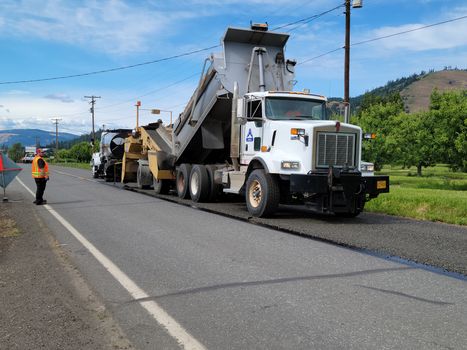


Creating Career Path...

Finding Further Careers...

Road Safety Officer

View this career for different education levels:

A Road Safety Officer plays a crucial role in preventing road collisions and improving safety for all road users in their local community. This involves a diverse range of activities, from developing and implementing road safety education programmes for schools and the public, to advising on highway engineering schemes that make roads safer. You will often work with a variety of groups, including children, young drivers, cyclists, pedestrians, and older road users, tailoring messages and interventions to their specific needs. This career involves a lot of public engagement, data analysis to identify high-risk areas, and collaboration with local councils, emergency services, and community groups to achieve shared safety goals. Your day-to-day could involve designing educational materials, running workshops in schools or community centres, conducting road safety audits, analysing collision data to pinpoint problem areas, and promoting safer travel behaviours. It's a highly rewarding role for someone passionate about public safety, with strong communication skills and a good understanding of human behaviour and road traffic principles. You'll need to be adaptable and creative in your approach to engage different audiences and bring about positive changes in road user behaviour.

Road Safety Officer

Flag Media

Please select a reason for flagging this content.

📊 Statistics

Average Salary (UK)

The typical starting salary for a Road Safety Officer in the UK can range from around 25,000 to 30,000 pounds per year. With experience, this can increase to 35,000 to 45,000 pounds or more for senior roles.

Job Outlook (UK)

The number of road safety professionals in local authorities and charitable organisations remains relatively stable, with roles often tied to local government funding and national road safety initiatives. New positions frequently arise due to retirements or new project funding.

Working Hours

Most Road Safety Officers work standard full-time hours, typically 37-40 hours per week, Monday to Friday. However, there can be a need for occasional evening or weekend work to attend community events, deliver training, or supervise projects.

🚀 Careers in this path

Flag Media

Please select a reason for flagging this content.

Sustainable Transport Planner

Focuses on developing and implementing strategies to promote environmentally friendly and safe travel options, such as cycling and public transport, reducing reliance on cars and improving road safety within urban and rural areas. This role often involves community engagement and policy development.

Flag Media

Please select a reason for flagging this content.

Road Safety Auditor

Specialises in reviewing the safety aspects of new and existing road schemes, from design through to completion. This involves identifying potential hazards and recommending improvements to enhance safety for all road users, including pedestrians, cyclists, and motorists.

Flag Media

Please select a reason for flagging this content.

Traffic Management Engineer

Works to optimise the flow of traffic and ensure the safety of road networks. This can involve designing traffic calming measures, optimising signal timings, planning diversions, and implementing intelligent transport systems to improve safety and reduce congestion.

Build a Strong Foundation

Achieve Relevant Qualifications

Gain academic qualifications that demonstrate your analytical and communication skills, which are crucial for this role.

While specific degrees are not always mandatory, a degree in subjects like Geography, Planning, Environmental Science, Public Health, Psychology, or Criminology can be highly beneficial. These fields often cover data analysis, policy development, and understanding human behaviour, all relevant to road safety. Alternatively, a foundation degree or HND in a related field could also provide a strong starting point.

Understand UK Road Safety Policy

Familiarise yourself with the key policies, legislation, and frameworks governing road safety in the UK.

Research documents like the DfT's Road Safety Statement, local authority road safety strategies, and relevant Highway Code sections. Understanding the legal and policy landscape will be vital for developing effective interventions and understanding the scope of your role. Look into organisations like RoSPA (Royal Society for the Prevention of Accidents) and Brake, the road safety charity, for current campaigns and research.

Develop Core Transferable Skills

Cultivate essential skills such as communication, presentation, data analysis, and project management.

Road Safety Officers need to be adept at communicating complex information to diverse audiences, from schoolchildren to local councillors. Practise public speaking, report writing, and using data to inform decisions. Volunteering for community projects or taking on leadership roles can help develop these skills. Look for opportunities to manage small projects, even if they're not directly road safety-related, to build your organisational capabilities.

Gain Practical Experience

Volunteer or Intern in a Related Field

Seek out opportunities to gain hands-on experience in community safety, education, or local government.

Contact your local council's road safety team, community safety partnerships, or charities like Brake or RoSPA. Even if it's not a direct road safety role, volunteering in areas like community outreach, youth work, or public health education can provide valuable experience in delivering programmes and working with diverse groups. This also helps you network and potentially learn about upcoming opportunities.

Undertake Specialist Training

Consider professional development courses specific to road safety or related disciplines.

Look into courses offered by organisations like RoSPA, IAM RoadSmart, or university short courses in areas like accident investigation, road safety audit, or behaviour change techniques. While not always mandatory, these can significantly enhance your CV and demonstrate a commitment to the field. Some local authorities might even offer relevant in-house training or apprenticeships that include these elements.

Network with Professionals

Connect with individuals already working in road safety and related public sector roles.

Attend industry events, webinars, or local council meetings where road safety is discussed. Use platforms like LinkedIn to connect with professionals. Informational interviews can provide insights into day-to-day responsibilities and career paths. Building a network can open doors to mentorship, advice, and potential job leads within the sector.

Secure Your First Role

Target Entry-Level Positions

Actively look for Road Safety Officer, Assistant Road Safety Officer, or Community Safety roles within local authorities or related organisations.

Check council job portals, national job boards, and specialist public sector recruitment sites. Focus on roles that align with your developed skills and experience, even if they are junior. Clearly articulate how your academic background, volunteer work, and transferable skills make you a suitable candidate. Tailor your CV and cover letter for each application, highlighting specific examples relevant to the job description.

Prepare for Interviews

Be ready to discuss your understanding of road safety issues, data, and community engagement strategies.

Research the specific local authority or organisation you're applying to and understand their current road safety priorities. Prepare examples from your experience that demonstrate problem-solving, communication, and teamwork. Be ready to discuss how you would approach a hypothetical road safety campaign or a challenging stakeholder interaction. Showing your passion for reducing casualties will also be key.

Continue Professional Development

Once in post, commit to ongoing learning and staying updated with the latest research and best practices.

The field of road safety is constantly evolving with new technologies, research, and policy changes. Actively seek out opportunities for continuous professional development (CPD), such as attending conferences, workshops, and further training courses. Joining professional bodies like the Institute of Highway Engineers (IHE) or the Chartered Institution of Highways & Transportation (CIHT) can provide valuable resources, networking, and accreditation opportunities to advance your career.

🎯 View Apprenticeships

Explore relevant apprenticeships that can help you kickstart your career in Road Safety Officer. Apprenticeships offer hands-on experience and training while earning a wage.

Career Progressions

This page showcases various career options and the pathways to reach them. Each career listed here shares transferable skills and knowledge, making it easier for individuals to transition between them.

Your current career is highlighted to help you see how it fits into the broader landscape of potential career choices. By clicking on any career, you can learn more about it, including the training and education required to pursue it.

Remember, progressing in your career often involves further learning and training. This page provides insights into future career options as well as those that can lead up to your current one.

These career progression decisions are informed by comparing the skills and knowledge needed for different occupations, along with data on how people move between them. Explore the possibilities and discover the exciting journey ahead in your career!

Sample Qualifications

A Road Safety Officer's primary role involves ensuring safety on roads, which closely aligns with the responsibilities of a Health and Safety Adviser who focuses on preventing accidents and promoting safe practices within a specific domain.

How to become

You can get into this job through:

  • a university course
  • an apprenticeship
  • training through a professional body

University

You can do a degree in a subject, such as:

  • occupational safety, health and environment
  • environmental health

You might also be able to apply to do a postgraduate qualification in health and safety, if you have a degree related to a particular industry. Examples include construction, engineering or manufacturing.

Entry requirements

You'll usually need:

  • 2 to 3 A levels, or equivalent, for a degree
  • a degree in any subject for a postgraduate course

More Information

Apprenticeship

You can apply to do a Safety, Health and Environment Technician Level 3 Advanced Apprenticeship.

You can also do an Environmental Health Practitioner Level 6 Degree Apprenticeship.

These can take between 2 and 4 years to complete and combine on-the-job training and time spent with a learning provider.

Entry requirements

You'll usually need:

  • 5 GCSEs at grades 9 to 4 (A* to C), or equivalent, including English and maths, for an advanced apprenticeship
  • 4 or 5 GCSEs at grades 9 to 4 (A* to C) and A levels, or equivalent, for a degree apprenticeship

More Information

Other Routes

You could study for a general health and safety qualification while you're working, or to improve your chances of finding a trainee position.

Topics will include:

  • health and safety in the workplace
  • monitoring risks
  • legal regulations
  • carrying out health and safety assessments

Courses are often flexible with options to study part-time or online.

You can take approved health and safety courses through:

More Information

Professional and industry bodies

The Occupational Safety and Health Consultants Register has a list of organisations offering membership, which can help with professional development.

Further information

You can find out more about a career in health and safety from:

Interested in More Career Paths?

Explore other careers or use our AI to discover personalised paths based on your interests.

Stay connected

Join our newsletter to stay up to date on features and releases

Address
Developing Experts Limited
Exchange Street Buildings
35-37 Exchange Street
Norwich
NR2 1DP
UK

Phone
01603 273515

Email
[email protected]

Copyright 2026 Developing Experts, All rights reserved.
