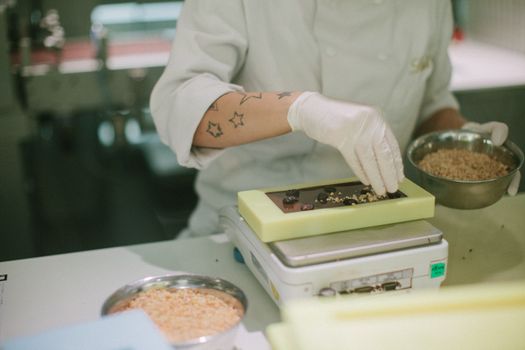
A chocolatier is a highly skilled artisan who specialises in making confections from chocolate. This isn't just about melting and moulding; it involves a deep understanding of chocolate science, tempering techniques, flavour pairings, and artistic presentation. Chocolatiers work with various types of chocolate, from dark and milk to white, creating an array of products such as pralines, truffles, bonbons, bars, sculptures, and custom creations. They often source high-quality cacao beans or couverture chocolate, overseeing the entire production process from concept to packaging. Day-to-day tasks for a chocolatier can include tempering chocolate to achieve the perfect snap and shine, crafting fillings like ganaches and caramels, hand-dipping or enrobing confections, decorating chocolates with intricate designs, and ensuring consistent quality control. Many chocolatiers also manage inventory, develop new recipes, and interact with customers, especially if they run their own shop or attend markets. It's a role that blends creativity, precision, and a passion for delicious, high-quality sweet treats.
Entry-level chocolatiers might expect to earn around £18,000 - £22,000 per year, while experienced chocolatiers or those running their own successful businesses could see earnings of £28,000 - £40,000+, depending on reputation and scale.
While not a high-volume industry like retail, the artisanal food sector, including high-quality chocolate making, continues to see steady demand. Opportunities often arise in independent boutiques, luxury food producers, patisseries, and increasingly through online direct-to-consumer sales.
Hours can vary significantly. For those working in established businesses, it's typically full-time, Monday to Friday, but can include evenings or weekends, especially during peak seasons like Christmas, Easter, and Valentine's Day. Self-employed chocolatiers often work longer, more flexible hours.
This role focuses on the craft of creating high-quality, often handmade, chocolate products. It involves developing unique recipes, mastering tempering techniques, and designing intricate confections, often for boutique shops or luxury brands. It requires a keen eye for detail and creativity.

Working in a larger scale production environment, this role involves operating and maintaining machinery used for chocolate manufacturing. It requires understanding of food safety regulations, quality control processes, and the technical aspects of producing chocolate products efficiently and consistently. This is ideal for someone interested in the industrial side of chocolate making.

This career involves a broader range of patisserie skills but with a dedicated focus on chocolate work within desserts, cakes, and other sweet treats. You would work in restaurants, hotels, or dedicated bakeries, creating stunning chocolate-based dishes and showpieces. Culinary school training with a specialisation in patisserie is often beneficial.
Develop a strong understanding of fundamental cooking and baking techniques, which are crucial for working with chocolate.
Even though chocolatiers focus specifically on chocolate, a solid background in general patisserie and culinary arts will provide an excellent foundation. Consider enrolling in a short course or diploma in professional cookery or patisserie. This will cover essential skills like mise en place, food safety, precision measurement, and understanding ingredient interactions, all of which are transferable and vital when you start working with the delicate nature of chocolate.
Seek out dedicated courses or workshops focused on chocolate, covering tempering, moulding, and ganache making.
There are various specialist chocolate schools and colleges across the UK that offer dedicated programmes. Look for courses accredited by recognised bodies or those taught by experienced chocolatiers. These courses often cover key topics such as different types of chocolate, tempering methods (tabling, seeding, machine), making various fillings (ganaches, pralines, caramels), enrobing techniques, and creating artistic decorations. Practical hands-on experience is paramount at this stage.
Secure an internship or work experience placement in a professional chocolate shop, patisserie, or high-end kitchen.
Practical, real-world experience is invaluable. An internship will allow you to apply your theoretical knowledge, learn industry best practices, and observe experienced chocolatiers in action. You'll gain exposure to commercial production, understand kitchen dynamics, learn about quality control, and handle ingredients on a larger scale. This also provides an opportunity to network with professionals in the field, which can open doors for future employment.
Practice and perfect your skills in tempering, moulding, decorating, and flavour pairing.
Continuously practice to achieve consistency and precision in your chocolate work. Experiment with different cocoa percentages, origins, and flavour combinations. Focus on achieving perfect temper for a beautiful shine and snap, clean moulds, and smooth ganaches. Pay attention to the finer details that differentiate a good chocolatier from an exceptional one, such as delicate hand-painting, airbrushing, or crafting intricate sugar work to complement your chocolates. This is where your personal style starts to emerge.
If you dream of opening your own chocolate business, start understanding the basics of business operations.
For those with entrepreneurial aspirations, understanding the business side is critical. This includes learning about sourcing ingredients sustainably and ethically, managing inventory, pricing products, marketing and branding, customer service, and food safety regulations specific to confectionery production. Consider short courses in small business management, or seek advice from established business owners. Building a strong business plan early on will be beneficial.
Document your best creations and connect with other professionals in the confectionery industry.
Create a stunning portfolio, either digital or physical, showcasing your finest chocolate creations. High-quality photography is essential to make your work stand out. Attend food festivals, industry events, trade shows (like the Speciality & Fine Food Fair or Chocolate Show), and join professional organisations. Networking can lead to mentorship opportunities, job offers, collaborations, and a deeper understanding of market trends. Social media platforms like Instagram are excellent for showcasing your work and connecting with a wider audience.
Apply for roles as a production chocolatier, head chocolatier, or embark on setting up your own chocolate business.
With experience, you can aim for more senior roles in established chocolate companies, high-end hotels, or patisseries. Alternatively, if you've developed your business plan and unique selling proposition, you might choose to launch your own brand. This could involve an online store, a market stall, or a physical shop. Be prepared for the challenges and rewards of entrepreneurship, including managing staff, marketing, and continuous product development.
Stay updated with new trends, techniques, and ingredients in the world of chocolate.
The culinary world is constantly evolving. Keep experimenting with new flavours, textures, and presentations. Attend advanced masterclasses, read industry publications, and travel to experience different chocolate cultures. Consider exploring bean-to-bar chocolate making, working with single-origin chocolates, or developing products for specific dietary needs (e.g., vegan, sugar-free). Continuous learning is key to staying relevant and exciting in this creative field.
Develop a strong brand identity and build a reputation for quality and creativity.
Whether you work for someone else or run your own business, your reputation is paramount. Deliver consistent quality, excellent customer service, and unique products. Seek opportunities for media features, collaborate with other food artisans, and participate in competitions to gain recognition. Positive word-of-mouth and strong reviews are incredibly powerful. A distinctive brand story and visual identity will help you stand out in a competitive market.
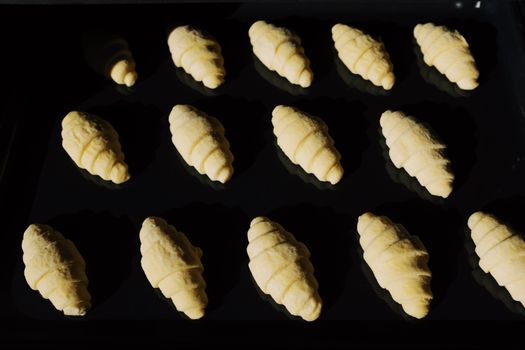
Similar to a chocolatier, a pastry chef specialises in creating desserts, baked goods, and other sweet items, often working in restaurants, hotels, or patisseries. There's significant overlap in skills like precision, presentation, and flavour development.

Bakers create a wide range of bread, cakes, and pastries. While often focused on different products, the artisanal skills, attention to detail, and understanding of ingredients are very similar to those required for a chocolatier.

A broader term, a confectioner produces a variety of sweets, which can include chocolates, but also candies, fudge, nougat, and other sugary treats. This role often involves similar equipment and processes but with a wider product scope.
Explore relevant apprenticeships that can help you kickstart your career in Chocolatier. Apprenticeships offer hands-on experience and training while earning a wage.
Explore other careers or use our AI to discover personalised paths based on your interests.
Address
Developing Experts Limited
Exchange Street Buildings
35-37 Exchange Street
Norwich
NR2 1DP
UK
Phone
01603 273515
Email
[email protected]
Copyright 2026 Developing Experts, All rights reserved.

Unlock expert-designed lessons, resources, and assessments tailored for educators. No credit card required.
Claim Your Free Trial →We use cookies to enhance your browsing experience and analyze our traffic. Learn more.

