



Creating Career Path...

Finding Further Careers...

Geneticist

View this career for different education levels:

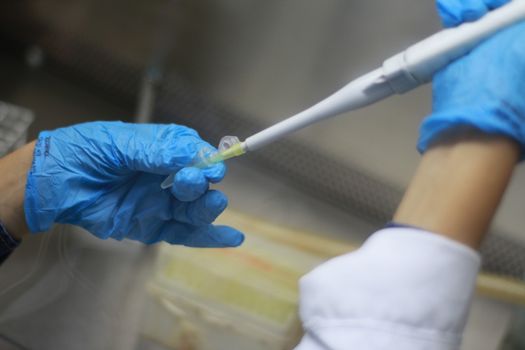
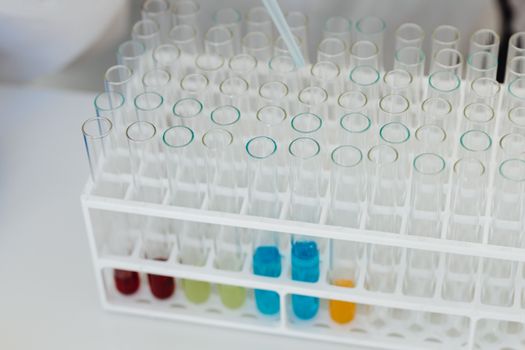
Imagine you have a secret instruction manual that makes you who you are, from the colour of your eyes to how tall you might grow. This manual is called DNA, and Geneticists are like super-sleuths who study it! They investigate genes, which are tiny parts of DNA, to understand how they work and what happens when they dont work properly. Geneticists often work in labs, using special equipment to look at genes in plants, animals, or humans. They might be trying to find new ways to treat illnesses like cancer or inherited conditions, or perhaps working to improve crops so they can feed more people. Being a Geneticist means you get to solve puzzles every day. You could be helping doctors understand why a child is unwell, developing new medicines, or even studying how different creatures evolved. It's a job that requires a lot of curiosity, careful observation, and a love for science. You would spend time analysing data, designing experiments, and writing reports about your discoveries, sharing what you've learned with other scientists.

Geneticist

Flag Media

Please select a reason for flagging this content.

📊 Statistics

Starting Salary

A newly qualified Geneticist in the UK might expect to earn around 25,000 to 35,000 pounds per year.

Experienced Salary

With more experience, a Geneticist can earn between 35,000 and 60,000 pounds annually. Senior or specialist roles could pay even more.

Job Outlook

The field of genetics in the UK is growing, especially in areas like medical research and biotechnology, meaning there are good opportunities for qualified people.

🚀 Careers in this path

Flag Media

Please select a reason for flagging this content.

DNA Analyst

Imagine being a detective for tiny building blocks of life! A DNA Analyst examines genetic material to help understand how living things work, solve crimes, or find out more about people's family history. It involves lots of detailed work in a lab, using special equipment.

Flag Media

Please select a reason for flagging this content.

Genetics Counsellor

A Genetics Counsellor talks to families about inherited conditions and helps them understand how genetics might affect their health. They need to be very good at listening and explaining complicated science in a clear, kind way, helping people make informed decisions.

Flag Media

Please select a reason for flagging this content.

Bioinformatician

If you love computers and science, a Bioinformatician might be for you! They use computer science to organise and understand huge amounts of genetic information. This could involve writing computer programmes to discover new things about genes and diseases.

Build a Strong Foundation

Excel in Science and Maths at School

Focus on getting good grades in science subjects like Biology, Chemistry, and Physics, as well as Maths. These subjects are crucial for understanding genetics.

At school, aim for strong GCSE results, especially in Triple Science (Biology, Chemistry, Physics) if your school offers it, and Maths. These subjects will give you the core knowledge you need for A-Levels and university. Even if you don't take Triple Science, make sure to do well in Combined Science and Maths.

Explore Genetics Outside of Lessons

Read books, watch documentaries, and visit science museums to learn more about genetics and biology in an exciting way.

There are lots of amazing resources to spark your interest! Look for books about DNA, genetic engineering, or famous scientists. Websites like the Wellcome Trust or the Science Museum often have great interactive content. You could even try out simple home science experiments related to biology, like extracting DNA from fruit.

Join Science Clubs or Competitions

Participate in science clubs at school, or enter competitions like the Biology Challenge, to meet like-minded people and gain extra experience.

Being part of a science club can open up opportunities for practical work and discussions with teachers and other students. Competitions like the Biology Challenge or the Royal Society of Biology's Top of the Bench can boost your knowledge and confidence, and look great on your university applications later on.

Academic Path

Choose Relevant A-Levels

For university, you'll need A-Levels in subjects like Biology and Chemistry. Maths is also highly recommended and often required.

Most universities require Biology and Chemistry for a degree in Genetics or a related life science. Maths A-Level is very valuable as genetics involves a lot of data analysis and statistics. Some universities might also like to see another science A-Level like Physics or Further Maths.

Undertake a University Degree

Study for a Bachelor's degree (BSc) in Genetics, Biochemistry, Molecular Biology, or a related scientific field at university.

A three or four-year BSc degree is the standard entry point. Look for universities with strong genetics or biology departments and consider courses that offer a 'sandwich year' (year in industry) or a year abroad, as this can provide valuable experience. Research different university programmes to find the best fit for your interests.

Consider a Master's or PhD

After your first degree, many geneticists choose to complete a Master's (MSc) or PhD to specialise further and conduct their own research.

For most advanced research roles or senior positions, a postgraduate degree is often essential. An MSc usually takes one year and allows you to specialise. A PhD is a research degree, typically lasting three to four years, where you contribute new knowledge to the field of genetics. This is where you really become an expert in a specific area.

Gain Experience and Specialise

Seek Work Experience and Internships

Look for opportunities to gain experience in labs, research institutions, or hospitals during your university holidays or after your degree.

Practical experience is incredibly valuable. Contact university labs, hospitals, or pharmaceutical companies to inquire about summer placements or internships. Even volunteering in a related setting can give you insight into daily lab life and help you build connections in the scientific community.

Network with Professionals

Attend scientific conferences, workshops, and seminars to meet other geneticists and learn about new discoveries.

Networking is about building relationships. Meeting people already working in genetics can open doors to new opportunities, collaborations, and mentorship. Join professional bodies like the Genetics Society or the Royal Society of Biology – they often organise events and provide resources for students.

Start Your Career as a Research Scientist

Begin your professional journey by applying for entry-level research scientist roles in universities, hospitals, or private companies.

Your first role might be as a junior research assistant, lab technician, or a scientist in a specific project. These roles allow you to apply your academic knowledge, develop practical lab skills, and start contributing to real scientific projects. From here, you can specialise further in areas like clinical genetics, plant genetics, or forensic genetics.

🎬 Useful Videos

🎯 View Apprenticeships

Explore relevant apprenticeships that can help you kickstart your career in Geneticist. Apprenticeships offer hands-on experience and training while earning a wage.

Career Progressions

No career progressions found for Geneticist

Sample Qualifications

How to become

You can get into this job through:

  • a university course

University

You'll need a life science degree or a postgraduate master's qualification in genetics, or a related subject which covers genetics.

Degrees and postgraduate courses include:

  • genetics
  • biology
  • biochemistry
  • molecular biology
  • life sciences
  • biological science

Employers may expect you to have, or be working towards, a PhD.

Integrated master's qualifications such as MBiolSci, MBiol or MSci can be studied at university. These courses combine independent research and can lead directly on to study for a PhD.

It's useful to gain experience of laboratory and research techniques during your degree through internships or year placements.

If you want to work in the NHS you can apply to the Scientist Training Programme (STP) after your degree where you can specialise in genomics work.

Entry requirements

You'll usually need:

  • 5 GCSEs at grades 9 to 4 (A* to C), or equivalent, including English, maths and science
  • 3 A levels, or equivalent, including at least 1 science
  • a degree in a relevant subject for postgraduate study

More Information

More Information

Professional and industry bodies

You could join The Genetics Society to get access to professional development opportunities.

Further information

You can find out more about careers in genetics from:

Interested in More Career Paths?

Explore other careers or use our AI to discover personalised paths based on your interests.

Stay connected

Join our newsletter to stay up to date on features and releases

Address
Developing Experts Limited
Exchange Street Buildings
35-37 Exchange Street
Norwich
NR2 1DP
UK

Phone
01603 273515

Email
[email protected]

Copyright 2026 Developing Experts, All rights reserved.
