


Creating Career Path...

Finding Further Careers...

Geneticist

View this career for different education levels:

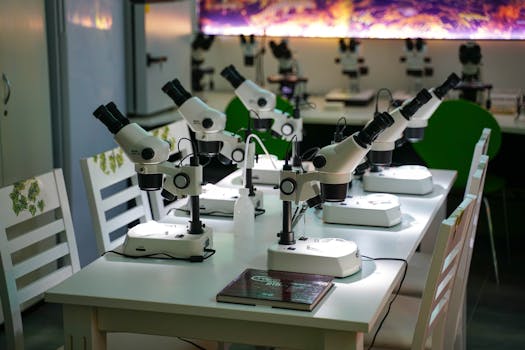
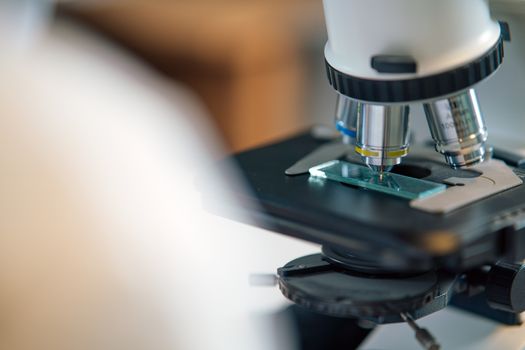
Imagine you have a super-duper magnifying glass that lets you look inside living things, right down to the tiny instructions that make them who they are. That's a bit like what a Geneticist does! Geneticists are scientists who study genes and DNA. Genes are like tiny instruction books inside every living thing, telling plants how to grow, animals how to move, and people how to have different eye colours or hair. Geneticists help us understand how these instructions work, why we look the way we do, and how we can stay healthy. They might work in a lab, looking through microscopes, doing experiments with tiny bits of DNA, or using computers to figure out puzzles about genes. They could be helping doctors understand why someone is ill or helping farmers grow stronger plants. It's a bit like being a detective for life's biggest secrets!

Geneticist

Flag Media

Please select a reason for flagging this content.

📊 Statistics

Average Salary

A new Geneticist in the UK might start on around 27,000 pounds a year. With more experience, they could earn much more, sometimes over 50,000 pounds a year.

Job Openings

There are about 2,000 people working as Geneticists or in related science roles in the UK. Many universities and hospitals need these clever scientists.

Education

To become a Geneticist, you usually need to go to university for about three years to get a science degree, then sometimes even more study to become a specialist.

🚀 Careers in this path

Flag Media

Please select a reason for flagging this content.

Animal Scientist

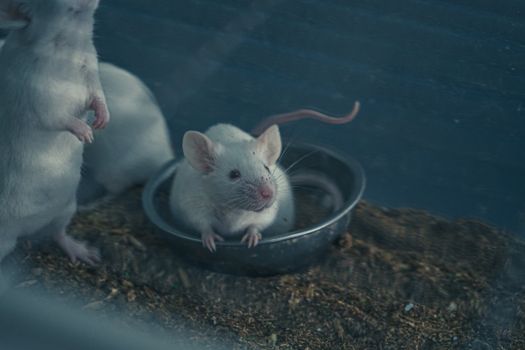
Imagine helping all sorts of animals, like fluffy puppies or fast cheetahs! You could learn how they grow, what makes them special, and how to keep them super healthy and happy, just like a detective for pets!

Flag Media

Please select a reason for flagging this content.

Plant Breeder

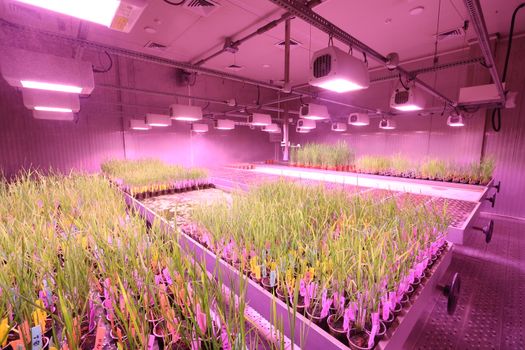
Have you ever wondered how we get so many yummy fruits and colourful flowers? A plant breeder is like a gardener superhero who helps make new kinds of plants, perhaps even helping to grow stronger tomatoes or brighter sunflowers!

Flag Media

Please select a reason for flagging this content.

Food Scientist

Think about your favourite crisps or juice. A food scientist is like a chef and a detective who figures out what makes food taste good, keeps it fresh, and makes sure it's healthy for us to eat!

Learning About Life

Ask Lots of Questions

Start by being super curious about everything alive! Ask how plants grow, why animals look different, and how you got your eye colour.

When you're at school, pay extra attention in science lessons, especially when you learn about animals, plants, and the human body. Watch nature documentaries and ask your teachers or parents lots of 'why' questions about living things. This helps you think like a scientist!

Explore the World Around You

Look closely at nature! How are siblings similar and different? How do different plants in your garden grow?

You can do fun experiments at home like growing cress seeds to see how different amounts of water or light affect them. Or, if you have pets, notice how they behave and what makes them special. These simple observations are the first steps to understanding genetics.

Read About Science

Find books and magazines about animals, plants, and the human body. There are lots of cool facts to discover!

Visit your local library and look for books with big colourful pictures about science and nature. Ask a grown-up to help you find books about how bodies work or different types of animals. The more you read, the more you learn about the amazing world of genetics.

Getting Ready for Big School

Do Well in Science Lessons

When you go to secondary school, it's super important to work hard in your science classes, especially biology.

Biology is the science of living things, and it's where you'll learn all about cells, DNA, and how animals and humans grow. Pay attention to your teachers, ask questions if you don't understand something, and try your best in all your science homework and tests.

Learn About Other Sciences Too

Chemistry and physics are also important because they help you understand how things work at a tiny level.

Chemistry helps you understand the tiny bits that make up cells and DNA, and physics helps you understand how scientists use special equipment to study these things. Doing well in these subjects will give you a strong science foundation for genetics.

Think About Your Options for Later

When you get older, you'll choose your GCSEs and A-levels. You'll want to pick science subjects.

For GCSEs, make sure you take Combined Science or separate sciences (Biology, Chemistry, Physics). For A-levels, Biology and Chemistry are usually the best choices if you want to study genetics at university. Your school's career advisor can help you pick the right subjects.

Becoming a Geneticist

Go to University

After school, you'll need to go to university to study a science degree like Genetics, Biology, or Biomedical Science.

Many universities in the UK offer special courses in Genetics or related subjects. You'll spend about three or four years learning all the really advanced stuff about DNA, genes, and how they affect health and disease. You'll also get to do exciting experiments in a proper lab.

Keep Learning and Studying

Sometimes, geneticists do extra study after their first degree to become even more expert in a special area.

This extra study might be a Master's degree or even a PhD, which is where you do your very own big science project and discover new things. This helps you become a super specialist in genetics and open up more exciting job opportunities.

Start Your Geneticist Job

After all your hard work and learning, you can start your job as a Geneticist in a hospital, university, or a science company.

You could work in a lab helping doctors understand why someone is sick, or you might work on exciting research to discover new ways to treat diseases. You might even help farmers grow stronger plants! There are many different ways to be a geneticist, all helping to make the world a better place.

🎬 Useful Videos

🎯 View Apprenticeships

Explore relevant apprenticeships that can help you kickstart your career in Geneticist. Apprenticeships offer hands-on experience and training while earning a wage.

Career Progressions

No career progressions found for Geneticist

Sample Qualifications

How to become

You can get into this job through:

  • a university course

University

You'll need a life science degree or a postgraduate master's qualification in genetics, or a related subject which covers genetics.

Degrees and postgraduate courses include:

  • genetics
  • biology
  • biochemistry
  • molecular biology
  • life sciences
  • biological science

Employers may expect you to have, or be working towards, a PhD.

Integrated master's qualifications such as MBiolSci, MBiol or MSci can be studied at university. These courses combine independent research and can lead directly on to study for a PhD.

It's useful to gain experience of laboratory and research techniques during your degree through internships or year placements.

If you want to work in the NHS you can apply to the Scientist Training Programme (STP) after your degree where you can specialise in genomics work.

Entry requirements

You'll usually need:

  • 5 GCSEs at grades 9 to 4 (A* to C), or equivalent, including English, maths and science
  • 3 A levels, or equivalent, including at least 1 science
  • a degree in a relevant subject for postgraduate study

More Information

More Information

Professional and industry bodies

You could join The Genetics Society to get access to professional development opportunities.

Further information

You can find out more about careers in genetics from:

Interested in More Career Paths?

Explore other careers or use our AI to discover personalised paths based on your interests.

Stay connected

Join our newsletter to stay up to date on features and releases

Address
Developing Experts Limited
Exchange Street Buildings
35-37 Exchange Street
Norwich
NR2 1DP
UK

Phone
01603 273515

Email
[email protected]

Copyright 2026 Developing Experts, All rights reserved.
