




Creating Career Path...

Finding Further Careers...

Lighting Engineer

View this career for different education levels:

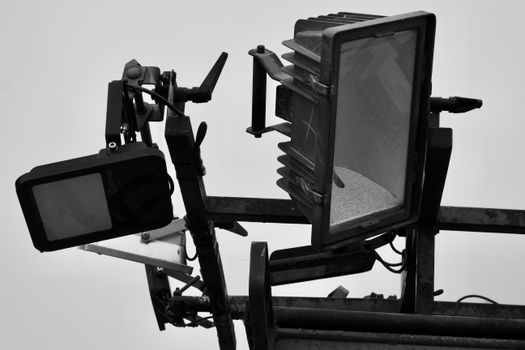
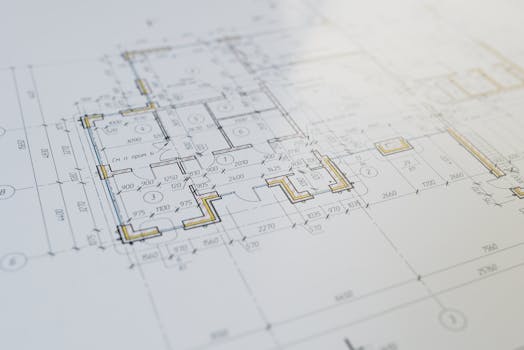
A Lighting Engineer is someone who designs and plans how lighting works in different places. This isn't just about making things bright; it's about using light in clever ways to create a mood, make things safer, or help people see better for specific tasks. For example, they might design the lighting for a new office building to make sure people can work comfortably, or for a theatre show to create amazing visual effects. They need to understand electricity, different types of light bulbs (or lamps, as they're often called), and how light behaves. They also think about how much energy the lighting uses and how it affects the environment. This job involves a mix of creativity and science. You might spend time drawing designs on a computer, choosing the right lights, and working with architects or project managers to make sure the lighting plan fits in with the rest of a building or project. Sometimes, you'll be on site, making sure the lights are installed correctly and everything works as it should. It's a really important role because good lighting can make a huge difference to how a space feels and functions, whether it's a home, a stadium, a shop, or a concert stage.

Lighting Engineer

Flag Media

Please select a reason for flagging this content.

📊 Statistics

Average Starting Salary

A new Lighting Engineer in the UK might expect to earn around 25,000 to 30,000 pounds per year.

Experienced Salary

With more experience, a Lighting Engineer could earn between 35,000 and 55,000 pounds annually, and even more in senior roles.

Number of Opportunities

There are many opportunities across the UK for Lighting Engineers, especially in cities, with several hundred job openings typically available each year across different industries.

🚀 Careers in this path

Flag Media

Please select a reason for flagging this content.

Stage Lighting Technician

Imagine being in charge of all the lights at a school play or concert! You'd learn how to set up different types of lights to make the stage look amazing, create exciting colours, and even make things brighter or dimmer depending on what's happening. It's a hands-on job where you bring the magic of light to performances.

Flag Media

Please select a reason for flagging this content.

TV Studio Lighting Assistant

Think about your favourite TV shows. A Lighting Assistant helps the main Lighting Engineer make sure everything looks perfect on screen. You might help arrange lights for newsreaders, game shows, or interviews, ensuring everyone looks their best and the set is bright and clear for the cameras. It's all about making TV look professional.

Flag Media

Please select a reason for flagging this content.

Architectural Lighting Designer (Junior)

Have you ever seen a building lit up beautifully at night? An Architectural Lighting Designer plans how lights can make buildings, parks, or monuments look fantastic and safe. As a junior, you could help choose lights for different parts of a school building, a library, or even a local park, thinking about how people use the space and what makes it look inviting after dark.

Discovering Your Interest

Learn About Light

Start by understanding what light is and how it works. You can do this by observing light around you.

Pay attention to how light changes throughout the day, how different colours of light mix, and how shadows are formed. You could even try some simple experiments with torches, coloured filters, and mirrors to see how light behaves. Think about how light makes things look different or creates a mood. This early curiosity about light will be a great foundation.

Explore Creative Hobbies

Get involved in hobbies that use creativity and maybe even some basic technology, like photography or drama.

If you enjoy taking photos, think about how you use light to make your pictures look good. If you're involved in school plays or music events, notice how lighting is used to set the scene or highlight performers. Even building models or drawing can help develop your spatial awareness and design skills, which are important for a Lighting Engineer. These hobbies will help you see the creative side of lighting.

Visit Interesting Places

Look for places where lighting is a key feature, like theatres, museums, or even well-lit buildings.

When you visit a theatre for a show, try to notice not just the stage but also the lights above and around it. In museums, see how light is used to show off exhibits. Even in big shops or outdoor public spaces, lighting is carefully designed. Observe how different types of lights create different atmospheres and focus your attention. This exposure will give you real-world examples of lighting design.

Building Foundational Knowledge

Focus on STEM Subjects

In school, pay attention to Science (especially Physics), Technology, Engineering, and Maths (STEM) subjects.

Physics will teach you about electricity, light, and optics, which are fundamental to lighting engineering. Maths will help you with calculations and problem-solving, while Design & Technology or IT can introduce you to control systems and software used in design. These subjects provide the bedrock of knowledge you'll need to understand how lighting systems work and how to design them effectively.

Learn About Electronics

Try to understand basic electronics and how circuits work, maybe through school clubs or online resources.

Lighting systems rely heavily on electrical circuits. Learning how to connect wires, understand resistors, and perhaps even build simple circuits will give you a practical advantage. You might find school technology clubs or online tutorials that show you how to build small electronic projects. This hands-on experience will make the theoretical parts of electrical engineering much easier to grasp.

Develop Computer Skills

Become good at using computers, especially for design and problem-solving.

Lighting Engineers use special computer software to design lighting plans, simulate how light will look, and control lighting systems. Practise using design software (even simple graphic design tools) and spreadsheets. Learning to code, even basic scripting, can also be very useful for understanding how control systems work. Strong computer skills are essential in modern engineering.

Gaining Experience and Qualifications

Consider Further Education

After school, think about going to college or university to study a relevant subject.

Many Lighting Engineers study subjects like Electrical Engineering, Electronic Engineering, Theatre Technology, or Architectural Engineering at university. Some universities offer specific courses in Lighting Design or Illumination Engineering. Alternatively, a BTEC or HND in a related field at college can provide a more vocational pathway. Look into the entry requirements for these courses and what they cover.

Seek Work Experience or Internships

Try to get some work experience, even if it's helping out at local events or small companies.

Volunteering to help with lighting for school plays, local community events, or even at a small theatre can give you valuable practical experience and show you what the job is like. You could also look for summer internships with lighting companies or architectural firms. This hands-on experience is crucial for understanding the practical challenges and solutions in lighting engineering.

Build a Portfolio

Start collecting examples of any lighting projects or designs you've worked on, even small ones.

A portfolio is like a show-and-tell of your best work. This could include photos from school plays where you helped with lighting, designs you've drawn, or even models you've built. As you gain more experience, you'll add more professional projects. A strong portfolio shows future employers or universities what you can do and your passion for lighting. It's a great way to demonstrate your skills visually.

🎬 Useful Videos

🎯 View Apprenticeships

Explore relevant apprenticeships that can help you kickstart your career in Lighting Engineer. Apprenticeships offer hands-on experience and training while earning a wage.

Career Progressions

This page showcases various career options and the pathways to reach them. Each career listed here shares transferable skills and knowledge, making it easier for individuals to transition between them.

Your current career is highlighted to help you see how it fits into the broader landscape of potential career choices. By clicking on any career, you can learn more about it, including the training and education required to pursue it.

Remember, progressing in your career often involves further learning and training. This page provides insights into future career options as well as those that can lead up to your current one.

These career progression decisions are informed by comparing the skills and knowledge needed for different occupations, along with data on how people move between them. Explore the possibilities and discover the exciting journey ahead in your career!

Sample Qualifications

A Lighting Engineer designs and implements lighting systems, which often operate in conjunction with or are considered part of the broader building services infrastructure, including heating and ventilation systems. While not a direct match, a Heating and ventilation engineer is the closest available option as it involves similar principles of system design, installation, and maintenance within a built environment.

How to become

You can get into this job through:

  • a college course
  • an apprenticeship
  • applying directly

College

You can take a college course to learn some of the skills needed to get a trainee engineer job. 

Courses include:

  • plumbing and heating
  • building services engineering
  • T Level in Building Services Engineering for Construction

Entry requirements

Entry requirements for these courses vary.

  • 4 or 5 GCSEs at grades 9 to 4 (A* to C), or equivalent, including English and maths for a T Level

More Information

Apprenticeship

You can get into this job by applying to do an apprenticeship. Examples include:

  • Building Services Engineering Level 2 Foundation Apprenticeship
  • Building Services Engineering Installer Level 2 Intermediate Apprenticeship
  • Building Services Engineering Craftsperson Level 3 Advanced Apprenticeship

Foundation apprenticeship

You can apply for a foundation apprenticeship if you're aged 16 to 21.

If you're aged 22 to 24, you can apply if you:

Entry requirements

You'll usually need:

  • no specific qualifications or experience to apply for a foundation apprenticeship
  • some GCSEs, usually including English and maths, or equivalent, for an intermediate apprenticeship
  • 5 GCSEs at grades 9 to 4 (A* to C), or equivalent, including English and maths, for an advanced apprenticeship

More Information

Direct Application

You may be able to apply directly for jobs if you have qualifications and experience in building services engineering or plumbing.

More Information

Professional and industry bodies

You can join the Chartered Institute of Plumbing and Heating Engineering for professional development training and industry news.

Further information

You can get more advice about careers in heating and ventilation engineering from:

Interested in More Career Paths?

Explore other careers or use our AI to discover personalised paths based on your interests.

Stay connected

Join our newsletter to stay up to date on features and releases

Address
Developing Experts Limited
Exchange Street Buildings
35-37 Exchange Street
Norwich
NR2 1DP
UK

Phone
01603 273515

Email
[email protected]

Copyright 2026 Developing Experts, All rights reserved.
