


Creating Career Path...

Finding Further Careers...

Lighting Engineer

View this career for different education levels:

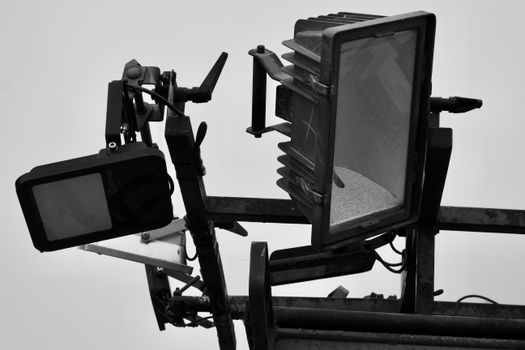
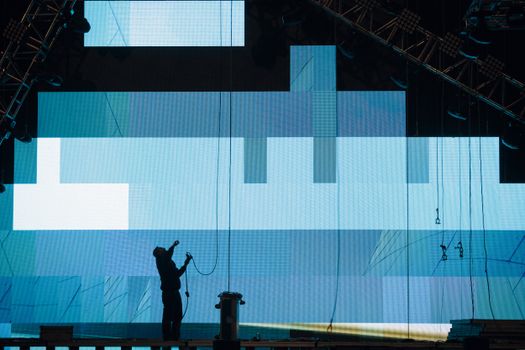
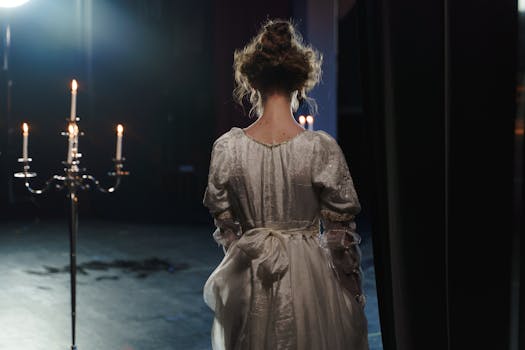
Imagine going to a pop concert, watching a play, or seeing your favourite TV show. Have you ever noticed how the lights make everything look super cool and help you see what is happening? That is thanks to a Lighting Engineer! A Lighting Engineer is like a light artist and a scientist rolled into one. They design, set up, and make sure all the lights work perfectly for events. They might use computers to plan where each light goes and what colour it should be. They make sure the stage looks bright enough, or create special effects like flashing lights for a dance party. They work with electricity and special equipment to bring light to life, making sure everything is safe and looks amazing.

Lighting Engineer

Flag Media

Please select a reason for flagging this content.

📊 Statistics

Starting Salary

A Lighting Engineer just starting out in the UK might earn around 20,000 to 25,000 pounds a year.

Experienced Salary

With more experience, a Lighting Engineer in the UK could earn between 30,000 and 45,000 pounds or even more each year.

Job Availability

Many jobs for Lighting Engineers are found in places like London, Manchester, and other big cities where there are lots of theatres, TV studios, and event venues.

🚀 Careers in this path

Flag Media

Please select a reason for flagging this content.

Stage Lighting Designer

Imagine you're making a play or a concert look super cool! You'd decide where all the colourful lights go and what they do to make the show exciting for everyone watching. You'd use special lightboards to control them all, like magic!

Flag Media

Please select a reason for flagging this content.

Theme Park Ride Lighting Technician

Think about your favourite rides at a theme park. Someone needs to make sure all the amazing lights on the rollercoasters and other attractions are working perfectly and look brilliant at night. You'd fix them if they break and help create dazzling light shows for the rides.

Flag Media

Please select a reason for flagging this content.

Film Set Lighting Assistant

When people make movies or TV shows, they need just the right kind of light to make everything look real and exciting. You'd help the main lighting person set up all the big lights and reflectors on the film set, making sure the actors look their best and the scene feels just right.

Sparking Your Interest!

Play with Lights at Home

Have fun experimenting with lights around your house! Notice how different lights make things look. Can you make a shadow puppet show?

Try using a torch to make shadows big and small. See how the light changes when you put coloured paper in front of it. You could even use a desk lamp to light up your favourite toys and make a little stage for them. This helps you understand how light works and how it can change the mood of a space.

Visit a Show or Event

Go to a pantomime, a concert, or a school play and watch how the lights are used to make the show exciting and magical.

When you're at the show, try to spot how the lights change. Do they get brighter when something exciting happens? Do they change colour to make it feel happy or mysterious? Notice how the lights follow the actors or shine on different parts of the stage. This helps you see what a Lighting Engineer does in real life!

Learn About Colours

Discover how different colours mix and what feelings they make you have. Red can be exciting, blue can be calm!

Get some coloured pens or paints and mix them. What new colours do you make? Think about what feelings different colours give you. Red often feels warm and exciting, blue feels cool and peaceful, and green often feels natural. Lighting Engineers use colours to create different moods and make scenes look special.

Building Your Skills!

Get Creative with Art and Design

Draw pictures, build models, or make craft projects. This helps you think creatively about how things should look.

Lighting Engineers need to be very creative to imagine how lights can make a stage or building look amazing. Practising art and design, like drawing, painting, or building with LEGO, helps you to think about shapes, colours, and how to put things together. It's like planning how a light show will look in your mind before you even turn on a light!

Understand How Things Work

Ask questions about how things like lamps, torches, and other gadgets work. Being curious is key!

Try to understand how simple electrical things work. For example, how does a light bulb light up? What happens when you flick a switch? You don't need to take things apart (ask a grown-up first!), but being curious about how technology works is a great start for any engineer. This helps you understand the basics of electricity that lights need.

Join a School Play Crew

If your school has a play, ask if you can help with the lights or even just watch how the grown-ups set them up.

Getting involved with school plays or concerts is a fantastic way to see lighting in action. You might help carry things, set up props, or just observe the people in charge of the lights. Even if you're not touching the lights, watching how they are set up, focused, and changed during the show will teach you loads about what a Lighting Engineer does.

Shining Bright!

Learn Science and Maths

At school, pay attention in science to learn about electricity and light, and in maths for problem-solving.

When you get a bit older, subjects like science (especially physics) will teach you how electricity works and how light behaves. Maths helps you to measure things, work out angles for lights, and solve problems. These subjects are really important for understanding the technical side of being a Lighting Engineer, helping you make sure all the lights work safely and beautifully.

Explore Further Training

When you're older, you can go to a college or university to learn all about lighting design and engineering.

After school, there are special courses at colleges and universities where you can learn everything a Lighting Engineer needs to know. These courses teach you about different types of lights, how to design lighting for big shows, how to use special computer programs, and how to stay safe with electricity. You can also look for apprenticeships where you learn on the job.

Get Hands-On Experience

Try to help out at local theatres, community events, or even big music concerts when you are old enough.

The best way to become a super Lighting Engineer is to get lots of practice! You can volunteer to help at small theatres, local events, or even help set up sound and lights for school discos. This 'hands-on' experience helps you learn what it's really like to work with lights, meet people who do this job, and learn tricks that aren't in books.

🎬 Useful Videos

🎯 View Apprenticeships

Explore relevant apprenticeships that can help you kickstart your career in Lighting Engineer. Apprenticeships offer hands-on experience and training while earning a wage.

Career Progressions

This page showcases various career options and the pathways to reach them. Each career listed here shares transferable skills and knowledge, making it easier for individuals to transition between them.

Your current career is highlighted to help you see how it fits into the broader landscape of potential career choices. By clicking on any career, you can learn more about it, including the training and education required to pursue it.

Remember, progressing in your career often involves further learning and training. This page provides insights into future career options as well as those that can lead up to your current one.

These career progression decisions are informed by comparing the skills and knowledge needed for different occupations, along with data on how people move between them. Explore the possibilities and discover the exciting journey ahead in your career!

Sample Qualifications

While 'Lighting Engineer' is a specialist role, out of the provided options, a 'Heating and ventilation engineer' is the closest fit as both roles are typically within the Building Services Engineering discipline, focusing on environmental control and system design within built environments, often collaborating on projects.

How to become

You can get into this job through:

  • a college course
  • an apprenticeship
  • applying directly

College

You can take a college course to learn some of the skills needed to get a trainee engineer job. 

Courses include:

  • plumbing and heating
  • building services engineering
  • T Level in Building Services Engineering for Construction

Entry requirements

Entry requirements for these courses vary.

  • 4 or 5 GCSEs at grades 9 to 4 (A* to C), or equivalent, including English and maths for a T Level

More Information

Apprenticeship

You can get into this job by applying to do an apprenticeship. Examples include:

  • Building Services Engineering Level 2 Foundation Apprenticeship
  • Building Services Engineering Installer Level 2 Intermediate Apprenticeship
  • Building Services Engineering Craftsperson Level 3 Advanced Apprenticeship

Foundation apprenticeship

You can apply for a foundation apprenticeship if you're aged 16 to 21.

If you're aged 22 to 24, you can apply if you:

Entry requirements

You'll usually need:

  • no specific qualifications or experience to apply for a foundation apprenticeship
  • some GCSEs, usually including English and maths, or equivalent, for an intermediate apprenticeship
  • 5 GCSEs at grades 9 to 4 (A* to C), or equivalent, including English and maths, for an advanced apprenticeship

More Information

Direct Application

You may be able to apply directly for jobs if you have qualifications and experience in building services engineering or plumbing.

More Information

Professional and industry bodies

You can join the Chartered Institute of Plumbing and Heating Engineering for professional development training and industry news.

Further information

You can get more advice about careers in heating and ventilation engineering from:

Interested in More Career Paths?

Explore other careers or use our AI to discover personalised paths based on your interests.

Stay connected

Join our newsletter to stay up to date on features and releases

Address
Developing Experts Limited
Exchange Street Buildings
35-37 Exchange Street
Norwich
NR2 1DP
UK

Phone
01603 273515

Email
[email protected]

Copyright 2026 Developing Experts, All rights reserved.
