
Creating Career Path...

Finding Further Careers...

Receptionist At A Vet

View this career for different education levels:

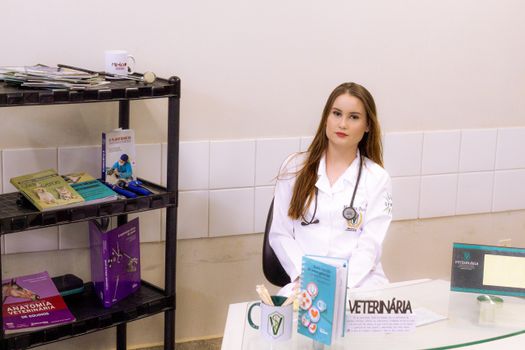
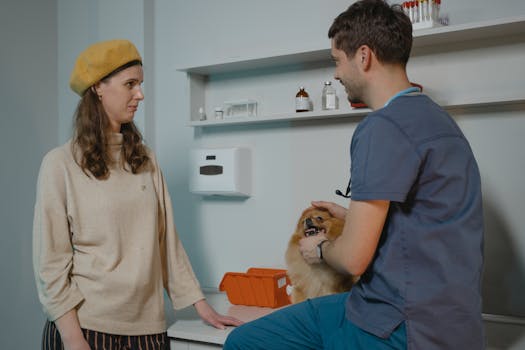
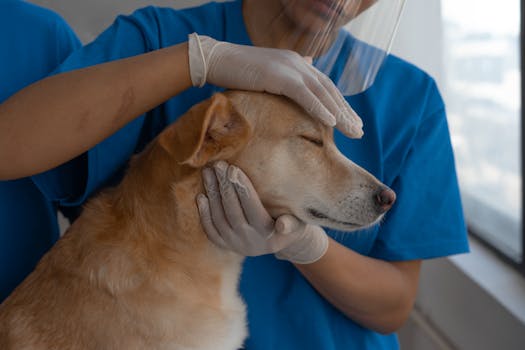
A Veterinary Receptionist is the first point of contact for clients visiting or calling a veterinary practice. This role is absolutely crucial for the smooth running of the clinic, combining administrative duties with essential client care. You'd be responsible for managing appointments, answering phone calls, handling client queries, processing payments, and maintaining client records. Beyond the administrative side, you'll also be responsible for creating a welcoming and calm environment for pets and their owners, often during stressful times. This involves excellent communication skills, empathy, and the ability to multitask effectively in a busy environment. You'll need a good understanding of veterinary terminology, strong organisational abilities, and a genuine passion for animal welfare, even if your direct contact with animals is limited to their arrival and departure.

Receptionist At A Vet

Flag Media

Please select a reason for flagging this content.

📊 Statistics

Average Salary Range

A Veterinary Receptionist in the UK can expect to earn between 18,000 and 24,000 per year, though this can vary based on experience, location, and the size of the practice. Experienced receptionists in larger or specialist practices might earn slightly more.

Job Market Outlook

The veterinary sector in the UK continues to grow, ensuring a steady demand for skilled support staff. While precise figures for receptionist-specific roles are hard to isolate, the overall veterinary and animal care sector is considered stable with good prospects for those seeking entry-level roles.

Typical Working Hours

Most full-time veterinary receptionists work around 35-40 hours per week. This often includes shifts covering early mornings, evenings, and sometimes weekends, as vet practices need to be accessible to pet owners during various hours.

🚀 Careers in this path

Flag Media

Please select a reason for flagging this content.

Veterinary Administrative Assistant

This role is more specialised than a general receptionist. You'd be involved in managing patient records, scheduling complex procedures, handling insurance claims, and supporting the veterinary team with specific administrative tasks related to animal care. It offers a deeper understanding of veterinary practice operations.

Flag Media

Please select a reason for flagging this content.

Client Care Coordinator Vet Practice

Focusing on client relations, you'd be the primary point of contact for pet owners, managing inquiries, providing information on services and treatments, handling feedback, and ensuring a positive experience. This role often involves more communication and problem-solving than a general receptionist, requiring empathy and strong interpersonal skills.

Flag Media

Please select a reason for flagging this content.

Veterinary Nursing Assistant

While still client-facing at times, this role involves more direct interaction with animals and support for veterinary nurses and vets. Duties might include preparing animals for examination, assisting with procedures, monitoring recovery, maintaining hygiene in the practice, and providing basic animal husbandry. It's a great stepping stone into veterinary nursing.

Build Foundational Skills & Knowledge

Gain Relevant Experience

Seek opportunities to develop your customer service and administrative skills, ideally in a fast-paced environment.

Look for part-time jobs or volunteer roles in customer-facing settings such as retail, hospitality, or an office environment. This will help you hone essential skills like communication, organisation, handling enquiries, and managing difficult situations. Experience with phone systems, booking appointments, and handling cash or card payments will also be highly beneficial. Even non-animal related experience can be valuable if it demonstrates transferable skills.

Understand the Veterinary World

Familiarise yourself with basic animal care, common veterinary procedures, and the day-to-day operations of a vet practice.

While you won't be a vet nurse, a basic understanding of veterinary terminology, common pet health issues, and typical clinic procedures will help you better assist clients and understand the workflow. Consider reading introductory books on pet care, watching documentaries about vet practices, or even taking an online short course in animal care or welfare. This proactive learning demonstrates genuine interest and preparedness.

Enhance Administrative Proficiency

Ensure you are proficient with office software, communication tools, and general administrative tasks.

Being comfortable with Microsoft Office Suite (Word, Excel, Outlook) is often a requirement. Experience with specific practice management software, though usually trained on the job, is a plus. Practice your typing skills, email etiquette, and telephone communication. Organisational skills, attention to detail, and the ability to multitask effectively are critical for managing appointments, patient records, and general clinic administration.

Seek Entry-Level Opportunities

Craft Your CV and Cover Letter

Tailor your application documents to highlight your relevant skills and passion for working with animals.

Your CV should clearly showcase your customer service experience, administrative skills, and any exposure you've had to animal care or healthcare settings. In your cover letter, express your genuine interest in the veterinary field and specifically the receptionist role. Explain why you're a good fit for their team and how your skills align with the demands of a busy vet practice. Emphasise your empathy, organisational abilities, and ability to remain calm under pressure.

Network and Research Practices

Connect with local veterinary practices and explore their specific needs and culture.

Look at local vet clinics' websites, social media, and even visit them (as a client, if you have a pet) to get a feel for their environment. Attend local job fairs or career events if possible. Networking, even informally, can sometimes lead to insights about openings before they are publicly advertised. Understanding a practice's specialities or values can also help you tailor your application effectively.

Prepare for Interviews

Anticipate common interview questions and practice your responses, focusing on your problem-solving and communication skills.

Be ready to discuss how you handle difficult customers, manage multiple tasks, and what you would do in various scenarios that might arise at a busy reception desk. Emphasise your ability to stay calm under pressure, your empathy towards both pets and their owners, and your strong organisational skills. Show enthusiasm for the role and the veterinary profession. Prepare a few thoughtful questions to ask the interviewer at the end.

Develop and Progress in the Role

Master Practice Software & Procedures

Become highly proficient with the clinic's specific practice management software and internal protocols.

Most veterinary practices use specialised software for scheduling appointments, managing patient records, processing payments, and ordering supplies. Dedicate time to learning this system thoroughly. Understand all the clinic's standard operating procedures for various scenarios, from emergency arrivals to routine check-ins, and strive for efficiency and accuracy in all your administrative tasks. Being a master of the systems will make you invaluable to the team.

Enhance Communication & Empathy

Continuously refine your ability to communicate effectively and compassionately with clients, especially during stressful times.

Dealing with worried pet owners requires exceptional empathy and clear, calm communication. Practice active listening, asking clarifying questions, and explaining complex information in an understandable way. Learn to de-escalate difficult situations and provide comfort. This skill is critical for building trust and ensuring clients feel supported. Your ability to provide reassurance can make a huge difference to a pet owner's experience.

Seek Further Training & Specialisation

Explore opportunities for professional development or taking on additional responsibilities within the practice.

Once you've settled into the role, you might be able to take on more responsibilities, such as training new receptionists, managing inventory, or assisting with marketing for the practice. Some practices may offer or support further qualifications in areas like veterinary administration, client care, or even basic veterinary assistant modules. This continued learning not only benefits you but also demonstrates your commitment and value to the clinic.

🎬 Useful Videos

🎯 View Apprenticeships

Explore relevant apprenticeships that can help you kickstart your career in Receptionist At A Vet. Apprenticeships offer hands-on experience and training while earning a wage.

Career Progressions

This page showcases various career options and the pathways to reach them. Each career listed here shares transferable skills and knowledge, making it easier for individuals to transition between them.

Your current career is highlighted to help you see how it fits into the broader landscape of potential career choices. By clicking on any career, you can learn more about it, including the training and education required to pursue it.

Remember, progressing in your career often involves further learning and training. This page provides insights into future career options as well as those that can lead up to your current one.

These career progression decisions are informed by comparing the skills and knowledge needed for different occupations, along with data on how people move between them. Explore the possibilities and discover the exciting journey ahead in your career!

Sample Qualifications

The user's input specifies 'Receptionist At A Vet', which clearly indicates a role focused on reception duties within a veterinary setting. The core function is that of a receptionist, regardless of the specific industry.

How to become

You can get into this job through:

  • a college course
  • an apprenticeship
  • working towards this role
  • applying directly

College

You can take a college course before applying for work as a receptionist. Some courses relate to particular types of work, others are more general. 

For example:

  • salon reception (beauty and hairdressing)
  • business administration (office work)
  • front of house reception (hospitality and catering)
  • customer service

Entry requirements

Entry requirements for these courses vary.

More Information

Apprenticeship

You could get into this job through an apprenticeship, such as:

  • Customer Service Practitioner Level 2 Intermediate Apprenticeship
  • Hospitality Accommodation Team Member Level 2 Intermediate Apprenticeship
  • Hospitality Supervisor Level 3 Advanced Apprenticeship

These take around 1 year to complete.

Entry requirements

You'll usually need:

  • some GCSEs, usually including English and maths, or equivalent, for an intermediate apprenticeship
  • 5 GCSEs at grades 9 to 4 (A* to C), or equivalent, including English and maths, for an advanced apprenticeship

More Information

Work

You could begin as an admin assistant in an organisation, for instance by doing temporary work, then apply for a permanent job as a receptionist when a vacancy becomes available.

In a hotel, you could start in housekeeping and take further training on the job.

Direct Application

You may be able to apply directly for receptionist jobs. It will help to have good admin and customer service skills.

Some employers will prefer you to have GCSEs and IT skills to work with computerised booking or payment systems.

More Information

Further information

You can learn more about working as a receptionist in hospitality from Caterer.com.

You can also find out about medical reception work from NHS Careers.

Interested in More Career Paths?

Explore other careers or use our AI to discover personalised paths based on your interests.

Stay connected

Join our newsletter to stay up to date on features and releases

Address
Developing Experts Limited
Exchange Street Buildings
35-37 Exchange Street
Norwich
NR2 1DP
UK

Phone
01603 273515

Email
[email protected]

Copyright 2026 Developing Experts, All rights reserved.
