

Creating Career Path...

Finding Further Careers...

Receptionist At A Vet

View this career for different education levels:

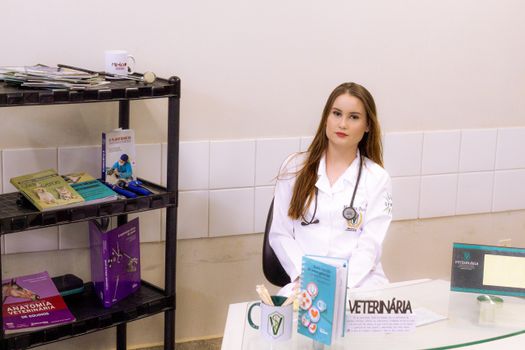
Being a Receptionist at a Vet practice means you are the friendly face and helpful voice that greets pet owners when they visit or call. Your main job is to make sure everything runs smoothly at the front desk. This involves answering phone calls, booking appointments for animals to see the vet or nurse, and welcoming people and their pets when they arrive. You will also handle payments, update patient records, and make sure the waiting area is tidy and welcoming. It is a really important role because you are often the first person pet owners speak to when their pet needs help, so being kind, organised, and good at talking to people is key. This career involves a lot of multi-tasking and compassion. You might be comforting a worried pet owner one minute, then helping someone with a playful puppy the next. You need to be good with computers for managing appointments and records, and you will learn a lot about how a vet practice works. While you do not directly treat animals, you play a huge part in making sure they get the care they need by managing the diary and supporting the vet team. It is a rewarding job if you love animals and enjoy helping people.

Receptionist At A Vet

Flag Media

Please select a reason for flagging this content.

📊 Statistics

Average UK Salary

For a Vet Receptionist in the UK, the average starting salary is often around 19,000 to 22,000 pounds per year. With more experience, this can go up to 25,000 pounds or more.

Working Hours

Many Vet Receptionist roles are full-time, which is usually around 35-40 hours a week. However, part-time positions are also common, and you might sometimes work evenings or weekends as vet practices need to be open for emergencies.

Job Growth

The demand for veterinary services in the UK has been steadily growing, which means there are consistently new opportunities for vet receptionists across the country, from small local clinics to larger animal hospitals.

🚀 Careers in this path

Flag Media

Please select a reason for flagging this content.

Veterinary Nursing Assistant

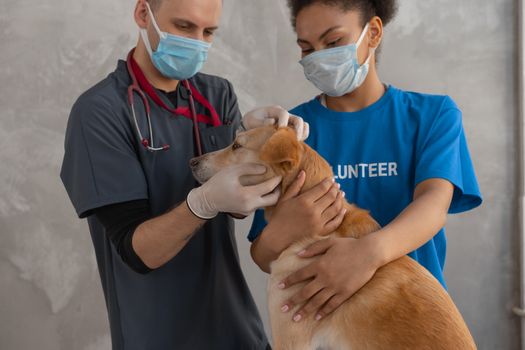
You could help the vet nurses with looking after the animals, making sure they're comfortable, helping with feeding, and keeping the clinic clean and tidy. You'd be working directly with the animals.

Flag Media

Please select a reason for flagging this content.

Animal Care Assistant at a Rescue Centre

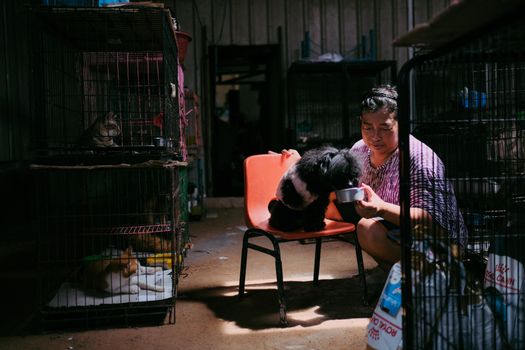
Instead of a vet, you could work at a place that looks after lost or unwanted animals. You'd help with feeding, cleaning, walking dogs, and playing with cats, getting them ready for new homes.

Flag Media

Please select a reason for flagging this content.

Pet Groomer's Assistant

If you like making animals look and feel good, you could help a pet groomer. This involves brushing, washing, and drying dogs and cats, making them smell lovely and look smart.

Build Your Foundational Skills

Focus on School Subjects

Pay attention in subjects like English, Maths, and ICT (Information and Communication Technology). These are really useful for communicating, handling money, and using computers in your job.

Good communication skills are key for talking to pet owners, answering the phone, and working with the vet team. Maths helps with payments and booking, and ICT is essential for using the booking systems and managing records that vet practices use every day. Try to get good grades in these subjects to show you have a strong base.

Practice Your Communication

Get good at talking to people clearly and kindly. This includes listening carefully, speaking politely, and being able to write clear messages.

Try joining clubs like debate or drama, or even just practice talking to adults and new people. This will help you feel more confident and develop your ability to explain things simply and listen to what others are saying – especially important when pet owners might be worried or upset. Being able to write clear messages is also important for emails and notes.

Develop Your Organisational Skills

Learn to keep things tidy, plan your time, and remember important details. These skills are essential for managing appointments and paperwork.

You can practice this by keeping your schoolwork organised, managing your homework deadlines, or even helping out with family chores that involve planning and tidying. Being organised means you can quickly find information, book appointments efficiently, and ensure the reception area is welcoming and well-managed.

Gain Relevant Experience

Volunteer at an Animal Shelter

Spending time at an animal shelter can teach you how to interact with different animals and understand animal welfare, which is really helpful for a vet receptionist.

Volunteering helps you learn about different animals, how to care for them, and maybe even some basic animal behaviour. While you might not be directly in a reception role, it shows future employers you have a genuine interest in animals and are reliable. You'll also learn about the importance of a clean environment and how a team works together to help animals.

Seek Work Experience in an Office

Try to get some work experience in any office environment, even if it's not a vet. This will help you learn how an office runs and practice reception duties.

Look for opportunities to do work experience during school holidays. Even working in a local shop or a small office can give you valuable skills like answering phones, greeting visitors, handling simple paperwork, and using a computer system. This demonstrates you can handle the administrative side of the job, which is a big part of a vet receptionist's role.

Learn Basic Pet First Aid (Optional)

While not always required, knowing some basic pet first aid can be really impressive and useful in a vet setting, showing your dedication.

You might find local courses or online resources that offer basic pet first aid. Knowing what to do in a simple emergency (like how to calm a distressed animal or what to look for if an animal is unwell) can be really helpful. It shows initiative and a deeper understanding of animal care, which can make you stand out when applying for jobs.

Start Your Career Journey

Look for Entry-Level Positions

Search for receptionist jobs at local vet practices. Many places will hire people with good organisational and communication skills, even if you don't have direct vet experience.

When you're ready to apply, create a good CV (that's like a mini-biography about your skills and experience) and write a cover letter explaining why you'd be great for the job. Highlight your communication skills, any experience you have with animals or in an office setting, and your enthusiasm for helping people and pets. Be prepared for an interview where you can show off your friendly personality!

Consider an Apprenticeship

An apprenticeship allows you to learn on the job and get a qualification at the same time. Some vet practices offer these for reception or administrative roles.

An apprenticeship is a fantastic way to start your career. You'll work a real job, get paid, and study towards a recognised qualification, all at once. This means you'll gain hands-on experience specific to a vet practice while learning the theory behind it. It's a structured path that can lead directly into a permanent role.

Continuous Learning & Development

Once you're in the role, keep learning! Ask questions, learn new systems, and stay updated on veterinary practices and customer service skills.

The world of veterinary care is always evolving, and good customer service is always important. Be open to learning new computer systems, understanding more about common pet health issues, and improving how you interact with people and their pets. You might even be able to take short courses in areas like customer service or advanced administrative skills to help you progress further in your career.

🎬 Useful Videos

🎯 View Apprenticeships

Explore relevant apprenticeships that can help you kickstart your career in Receptionist At A Vet. Apprenticeships offer hands-on experience and training while earning a wage.

Career Progressions

This page showcases various career options and the pathways to reach them. Each career listed here shares transferable skills and knowledge, making it easier for individuals to transition between them.

Your current career is highlighted to help you see how it fits into the broader landscape of potential career choices. By clicking on any career, you can learn more about it, including the training and education required to pursue it.

Remember, progressing in your career often involves further learning and training. This page provides insights into future career options as well as those that can lead up to your current one.

These career progression decisions are informed by comparing the skills and knowledge needed for different occupations, along with data on how people move between them. Explore the possibilities and discover the exciting journey ahead in your career!

Sample Qualifications

A 'Receptionist at a Vet' primarily performs administrative and customer service duties, which aligns perfectly with the general 'Receptionist' job title. The 'Vet' part specifies the industry, not a distinct set of duties that would merit a separate classification from the general receptionist role in this provided list.

How to become

You can get into this job through:

  • a college course
  • an apprenticeship
  • working towards this role
  • applying directly

College

You can take a college course before applying for work as a receptionist. Some courses relate to particular types of work, others are more general. 

For example:

  • salon reception (beauty and hairdressing)
  • business administration (office work)
  • front of house reception (hospitality and catering)
  • customer service

Entry requirements

Entry requirements for these courses vary.

More Information

Apprenticeship

You could get into this job through an apprenticeship, such as:

  • Customer Service Practitioner Level 2 Intermediate Apprenticeship
  • Hospitality Accommodation Team Member Level 2 Intermediate Apprenticeship
  • Hospitality Supervisor Level 3 Advanced Apprenticeship

These take around 1 year to complete.

Entry requirements

You'll usually need:

  • some GCSEs, usually including English and maths, or equivalent, for an intermediate apprenticeship
  • 5 GCSEs at grades 9 to 4 (A* to C), or equivalent, including English and maths, for an advanced apprenticeship

More Information

Work

You could begin as an admin assistant in an organisation, for instance by doing temporary work, then apply for a permanent job as a receptionist when a vacancy becomes available.

In a hotel, you could start in housekeeping and take further training on the job.

Direct Application

You may be able to apply directly for receptionist jobs. It will help to have good admin and customer service skills.

Some employers will prefer you to have GCSEs and IT skills to work with computerised booking or payment systems.

More Information

Further information

You can learn more about working as a receptionist in hospitality from Caterer.com.

You can also find out about medical reception work from NHS Careers.

Interested in More Career Paths?

Explore other careers or use our AI to discover personalised paths based on your interests.

Stay connected

Join our newsletter to stay up to date on features and releases

Address
Developing Experts Limited
Exchange Street Buildings
35-37 Exchange Street
Norwich
NR2 1DP
UK

Phone
01603 273515

Email
[email protected]

Copyright 2026 Developing Experts, All rights reserved.
