

Creating Career Path...

Finding Further Careers...

Receptionist At A Vet

View this career for different education levels:

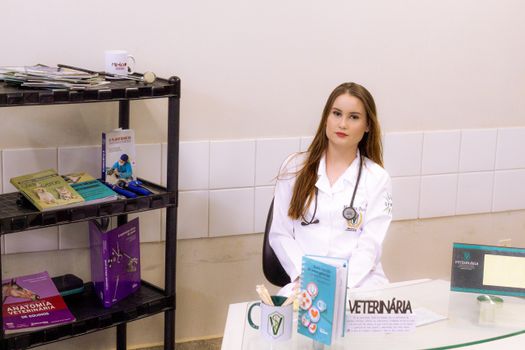
Imagine you walk into a place where sick or injured pets come to get better. Who is the first friendly face you see and the first voice you hear? That would be the vet receptionist! They are like the head helper at a veterinary surgery. Their job is super important because they welcome everyone, both the humans and their furry, feathered, or scaly friends. They answer the phone, book appointments for pets to see the vet or nurse, and make sure all the animal's records are tidy and up-to-date. They also help explain things to pet owners and make sure everyone feels calm and looked after when they arrive. It's a job where you need to be very organised and kind to both people and animals.

Receptionist At A Vet

Flag Media

Please select a reason for flagging this content.

📊 Statistics

Average UK Salary

A vet receptionist in the UK can expect to earn between 19,000 and 23,000 pounds a year. This might be a bit more or less depending on where in the UK they work and how much experience they have.

Job Openings

There are often many jobs available for vet receptionists across the UK. Websites like Indeed or NHS Jobs might show hundreds of openings at any one time, meaning there are lots of opportunities for people who love animals and helping others.

Hours Worked

Most full time vet receptionists in the UK work around 37-40 hours a week. This often includes some Saturdays, as vet surgeries are usually open to help pets on the weekend too.

🚀 Careers in this path

Flag Media

Please select a reason for flagging this content.

Animal Care Assistant

You could help the grown-ups look after the poorly animals, making sure they have food, fresh water, and clean beds. You might even get to give them gentle strokes!

Flag Media

Please select a reason for flagging this content.

Veterinary Nurse Assistant

You could assist the vet nurses by preparing things for operations, like making sure all the bandages are ready, or helping to keep the consulting rooms tidy and ready for the next pet.

Flag Media

Please select a reason for flagging this content.

Pet Groomer's Assistant

If you love making animals look lovely, you could help a pet groomer. You might help brush furry dogs and cats, or make sure their paws are clean and tidy after a wash.

Learning About Animals

Read Animal Books

Learn about different types of animals, like dogs, cats, rabbits, and hamsters, and what makes them special.

Start by visiting your local library or looking online for books about common pets. You can learn about their breeds, what they like to eat, and how to tell if they are happy or sad. Knowing lots about animals will help you understand the people who bring their pets to the vet.

Watch Animal Shows

Watch TV shows or videos about vets and pet care to see what happens at an animal hospital.

There are lots of great programmes on TV or online that show what vets and vet receptionists do every day. Watching these can give you a peek into the world of helping animals and their owners. Look for shows that are set in a real animal clinic.

Care for a Pet (If you have one)

If you have a pet at home, help look after them to learn about pet responsibility.

Helping to feed your pet, play with them, or even give them a cuddle can teach you a lot about animal needs. If you don't have a pet, maybe you could help a neighbour or family member with theirs, with an adult's permission. It shows you how to be gentle and responsible with animals.

Practising Helpful Skills

Be a Good Listener

Practise listening carefully when people talk to you, just like a receptionist listens to pet owners.

A big part of being a receptionist is listening to what people say, especially when they are worried about their pet. Try to listen without interrupting and ask questions if you don't understand something. This helps you get all the important information.

Practise Being Friendly

Say hello to people and try to make them feel welcome and happy.

Vet receptionists need to be very friendly and welcoming. They are the first person people see when they arrive, and a warm smile can make a big difference, especially if someone is worried about their pet. Try saying hello and smiling at people you meet.

Learn to Organise

Help keep your things tidy, like your toys or school books, because receptionists need to be organised.

Receptionists have to keep track of lots of things, like appointments and pet records. Practising keeping your own things neat and tidy, like your desk or your bedroom, helps you learn how to be organised. You can even pretend to organise your toy animals appointments!

Future Steps & Exploring

Visit a Vet Clinic

Ask an adult if you can visit a local vet clinic to see what it's like inside.

Some vet clinics might let you visit for a short tour, or they might have an open day. This would be a fantastic way to see a real-life vet reception area, meet some of the staff, and get a feel for the atmosphere. Always ask an adult to help you arrange this and make sure you respect the rules of the clinic.

Learn Computer Basics

Practise using a computer to type and find information, as receptionists use computers a lot.

Vet receptionists use computers for booking appointments, looking up pet details, and sending messages. Learning how to type properly and navigate simple computer programmes will be very useful. You can start with fun typing games or educational websites.

Think About School Subjects

Pay attention in subjects like English for speaking and writing, and Maths for counting and organising.

Even though it's far away, doing well in school subjects like English helps you speak clearly, write messages, and understand what people are saying. Maths is good for understanding appointment times and simple counting. These skills are very important for a receptionist.

🎬 Useful Videos

🎯 View Apprenticeships

Explore relevant apprenticeships that can help you kickstart your career in Receptionist At A Vet. Apprenticeships offer hands-on experience and training while earning a wage.

Career Progressions

This page showcases various career options and the pathways to reach them. Each career listed here shares transferable skills and knowledge, making it easier for individuals to transition between them.

Your current career is highlighted to help you see how it fits into the broader landscape of potential career choices. By clicking on any career, you can learn more about it, including the training and education required to pursue it.

Remember, progressing in your career often involves further learning and training. This page provides insights into future career options as well as those that can lead up to your current one.

These career progression decisions are informed by comparing the skills and knowledge needed for different occupations, along with data on how people move between them. Explore the possibilities and discover the exciting journey ahead in your career!

Sample Qualifications

A 'Receptionist at a Vet' primarily performs reception duties, such as greeting clients, answering phones, and scheduling appointments, which aligns perfectly with the general 'Receptionist' role. While the context is veterinary, the core functions are administrative and front-of-house, not clinical like a 'Vet' or 'Veterinary nurse'.

How to become

You can get into this job through:

  • a college course
  • an apprenticeship
  • working towards this role
  • applying directly

College

You can take a college course before applying for work as a receptionist. Some courses relate to particular types of work, others are more general. 

For example:

  • salon reception (beauty and hairdressing)
  • business administration (office work)
  • front of house reception (hospitality and catering)
  • customer service

Entry requirements

Entry requirements for these courses vary.

More Information

Apprenticeship

You could get into this job through an apprenticeship, such as:

  • Customer Service Practitioner Level 2 Intermediate Apprenticeship
  • Hospitality Accommodation Team Member Level 2 Intermediate Apprenticeship
  • Hospitality Supervisor Level 3 Advanced Apprenticeship

These take around 1 year to complete.

Entry requirements

You'll usually need:

  • some GCSEs, usually including English and maths, or equivalent, for an intermediate apprenticeship
  • 5 GCSEs at grades 9 to 4 (A* to C), or equivalent, including English and maths, for an advanced apprenticeship

More Information

Work

You could begin as an admin assistant in an organisation, for instance by doing temporary work, then apply for a permanent job as a receptionist when a vacancy becomes available.

In a hotel, you could start in housekeeping and take further training on the job.

Direct Application

You may be able to apply directly for receptionist jobs. It will help to have good admin and customer service skills.

Some employers will prefer you to have GCSEs and IT skills to work with computerised booking or payment systems.

More Information

Further information

You can learn more about working as a receptionist in hospitality from Caterer.com.

You can also find out about medical reception work from NHS Careers.

Interested in More Career Paths?

Explore other careers or use our AI to discover personalised paths based on your interests.

Stay connected

Join our newsletter to stay up to date on features and releases

Address
Developing Experts Limited
Exchange Street Buildings
35-37 Exchange Street
Norwich
NR2 1DP
UK

Phone
01603 273515

Email
[email protected]

Copyright 2026 Developing Experts, All rights reserved.
