


Creating Career Path...

Finding Further Careers...

Veterinary Receptionist

View this career for different education levels:

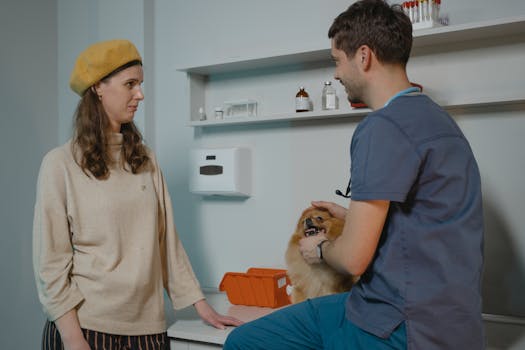
A Veterinary Receptionist is the first friendly face people see and the first voice they hear when they contact a vet practice. You are super important because you help everything run smoothly! Your job involves greeting pet owners and their animals, booking appointments, answering phone calls, and managing the practice's diary. You also handle payments, keep patient records tidy and up-to-date, and make sure the waiting room is a calm and welcoming place for both people and their pets. You might also help with ordering supplies and sending out reminders for vaccinations or check-ups. This role is perfect if you love animals and enjoy helping people. You need to be organised, have excellent communication skills, and be able to stay calm and kind, even when things are busy or an animal owner is worried about their pet. Sometimes you might need to comfort a pet owner, or help with a pet in an emergency, so being understanding and quick-thinking is really helpful. While you dont treat the animals directly, you are a vital part of the veterinary team, making sure the vets and nurses can focus on caring for the pets.

Veterinary Receptionist

Flag Media

Please select a reason for flagging this content.

📊 Statistics

Average UK Salary

The typical starting salary for a Veterinary Receptionist in the UK is around 18,000 to 22,000 pounds per year. With more experience, this can increase to 24,000 pounds or more.

Job Openings

There are many veterinary practices across the UK, from small local clinics to large animal hospitals. This means there are often job openings for friendly and organised receptionists in various locations.

Working Hours

Most Veterinary Receptionists work full-time hours, usually around 35-40 hours a week. This often includes some evening and weekend shifts because vet clinics need to be open when pet owners can visit.

🚀 Careers in this path

Flag Media

Please select a reason for flagging this content.

Animal Care Assistant

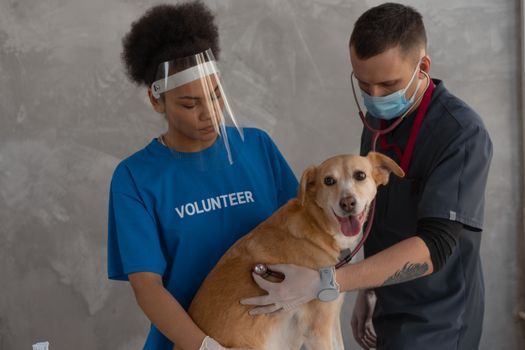
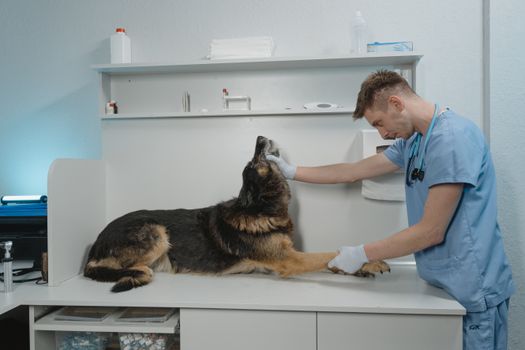
Help the vets and nurses look after the animals. You could feed them, clean their kennels, and give them cuddles to keep them happy while they recover.

Flag Media

Please select a reason for flagging this content.

Dog Groomer's Assistant

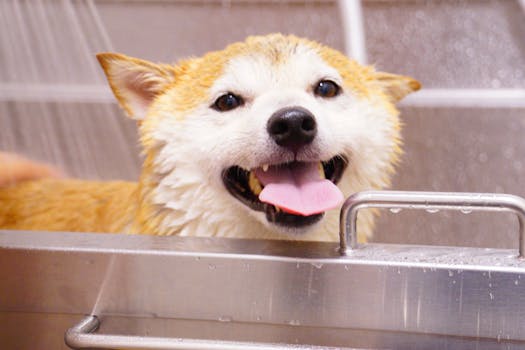
Work at a place where dogs get their hair cut and washed. You could help with drying dogs, brushing their coats, and making sure they are comfortable.

Flag Media

Please select a reason for flagging this content.

Pet Shop Assistant

Work in a shop that sells pets and pet supplies. You could help customers choose the right food or toy, and make sure the animals in the shop are well looked after.

Build Your Foundational Skills

Focus on School Subjects

Pay attention in subjects like English, Maths, and Science. These are really important for any job, including a Vet Receptionist.

Good English skills will help you communicate clearly with pet owners and vets. Maths is useful for handling payments and scheduling. Science can give you a basic understanding of animal health, which is a bonus in a vet clinic.

Develop Communication Skills

Practice talking clearly and kindly to people. Being a good listener is also key.

Try to get involved in activities that help you speak up, like school plays, debates, or presenting projects. Learning to listen carefully will help you understand what pet owners need and follow instructions from the veterinary team. These are vital for excellent customer service.

Learn Computer Basics

Get comfortable using computers and common software like word processors and email.

Most vet clinics use computer systems for booking appointments, keeping patient records, and sending emails. Knowing how to type well and navigate different programmes will make you much more efficient and confident in the role. You could try free online tutorials or help your parents with their computer tasks.

Gain Experience & Qualifications

Volunteer or Do Work Experience

Try to volunteer or get some work experience at an animal shelter, local charity shop, or even a local office.

Volunteering at an animal shelter could give you a peek into how animal-related businesses work and show your passion for animals. Work experience in any customer-facing role, like a shop or office, will help you practice greeting people, answering phones, and organising things – all vital for a vet receptionist.

Consider Further Education (Optional)

Think about studying for a qualification that could boost your skills, like a BTEC in Business or Animal Management.

While not always essential, a BTEC in Business Administration or Animal Management can give you a strong foundation. These courses teach you about office procedures, customer service, and sometimes even a bit about animal care, making you a very attractive candidate for vet clinics.

Get a Customer Service Qualification

Look into taking a short course or qualification in customer service.

Many colleges or training providers offer short courses in customer service. These can teach you how to handle difficult situations, communicate effectively, and provide a welcoming atmosphere – all things you'll do every day as a vet receptionist. It shows employers you're serious about providing excellent service.

Apply for Jobs & Start Your Career

Create a CV and Cover Letter

Put together a CV (like a mini-story about your skills and experience) and a cover letter (explaining why you want the job).

Your CV should highlight any work experience, volunteering, school achievements, and your skills in communication and IT. In your cover letter, explain why you're passionate about helping people and animals, and why you think you'd be a great fit for a veterinary practice. Make sure it's clear and tidy!

Search for Job Openings

Look online and locally for 'Veterinary Receptionist' or 'Animal Clinic Administrator' jobs.

Check popular job websites like Indeed, NHS Jobs (for larger animal hospitals), or specific veterinary job boards. You can also visit local vet clinics directly with your CV, as sometimes they advertise openings in their windows or on their websites. Networking with people you know might also help you find out about opportunities.

Prepare for Interviews

Practice answering questions about why you want the job and how you'd handle different situations.

Think about questions like 'Why do you want to work here?' 'What would you do if a pet owner was upset?' or 'How do you stay organised?' Practice with a family member or friend. Remember to dress smartly, be polite, and show your enthusiasm for the role and helping animals!

🎬 Useful Videos

🎯 View Apprenticeships

Explore relevant apprenticeships that can help you kickstart your career in Veterinary Receptionist. Apprenticeships offer hands-on experience and training while earning a wage.

Career Progressions

This page showcases various career options and the pathways to reach them. Each career listed here shares transferable skills and knowledge, making it easier for individuals to transition between them.

Your current career is highlighted to help you see how it fits into the broader landscape of potential career choices. By clicking on any career, you can learn more about it, including the training and education required to pursue it.

Remember, progressing in your career often involves further learning and training. This page provides insights into future career options as well as those that can lead up to your current one.

These career progression decisions are informed by comparing the skills and knowledge needed for different occupations, along with data on how people move between them. Explore the possibilities and discover the exciting journey ahead in your career!

Sample Qualifications

A Veterinary Receptionist primarily performs administrative and client-facing duties typical of a Receptionist, such as scheduling appointments, handling enquiries, and managing records, specifically within a veterinary practice setting. While they work with animals indirectly, their core role aligns with reception duties rather than direct animal care or medical treatment.

How to become

You can get into this job through:

  • a college course
  • an apprenticeship
  • working towards this role
  • applying directly

College

You can take a college course before applying for work as a receptionist. Some courses relate to particular types of work, others are more general. 

For example:

  • salon reception (beauty and hairdressing)
  • business administration (office work)
  • front of house reception (hospitality and catering)
  • customer service

Entry requirements

Entry requirements for these courses vary.

More Information

Apprenticeship

You could get into this job through an apprenticeship, such as:

  • Customer Service Practitioner Level 2 Intermediate Apprenticeship
  • Hospitality Accommodation Team Member Level 2 Intermediate Apprenticeship
  • Hospitality Supervisor Level 3 Advanced Apprenticeship

These take around 1 year to complete.

Entry requirements

You'll usually need:

  • some GCSEs, usually including English and maths, or equivalent, for an intermediate apprenticeship
  • 5 GCSEs at grades 9 to 4 (A* to C), or equivalent, including English and maths, for an advanced apprenticeship

More Information

Work

You could begin as an admin assistant in an organisation, for instance by doing temporary work, then apply for a permanent job as a receptionist when a vacancy becomes available.

In a hotel, you could start in housekeeping and take further training on the job.

Direct Application

You may be able to apply directly for receptionist jobs. It will help to have good admin and customer service skills.

Some employers will prefer you to have GCSEs and IT skills to work with computerised booking or payment systems.

More Information

Further information

You can learn more about working as a receptionist in hospitality from Caterer.com.

You can also find out about medical reception work from NHS Careers.

Interested in More Career Paths?

Explore other careers or use our AI to discover personalised paths based on your interests.

Stay connected

Join our newsletter to stay up to date on features and releases

Address
Developing Experts Limited
Exchange Street Buildings
35-37 Exchange Street
Norwich
NR2 1DP
UK

Phone
01603 273515

Email
[email protected]

Copyright 2026 Developing Experts, All rights reserved.
