



Creating Career Path...

Finding Further Careers...

Hydroelectric Engineer

View this career for different education levels:

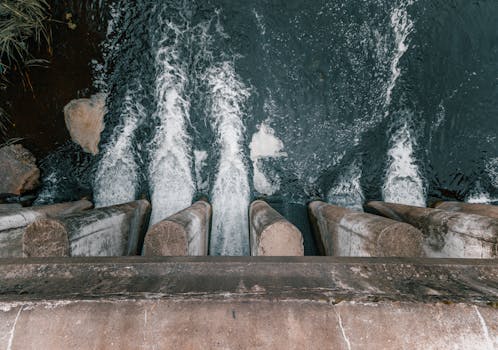
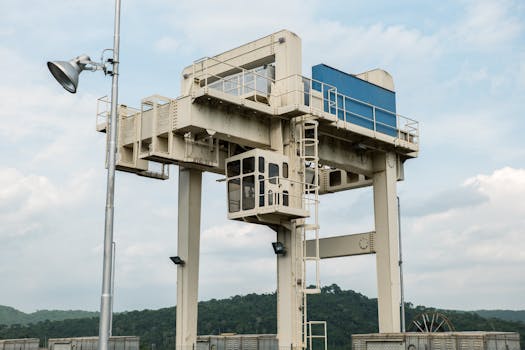
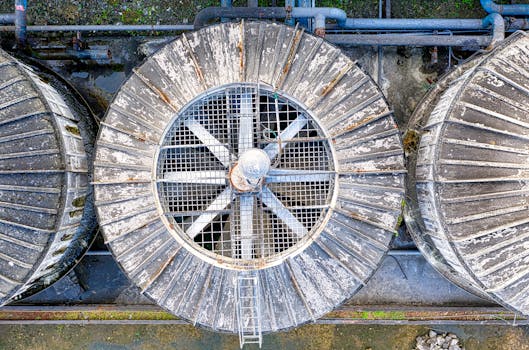
Imagine a superhero who helps make electricity from water! That is a bit like what a Hydroelectric Engineer does. They are very clever people who design and build big power stations that use the natural power of flowing water, like rivers, to spin giant machines called turbines. When these turbines spin, they make electricity that goes to our homes to power our lights, TVs, and even charge our tablets! These engineers make sure everything is safe and works perfectly, from the big dams that hold the water to the pipes that guide it and the special machines that turn water power into electricity. They help us get clean energy that does not harm our planet. They might visit different sites, draw plans, and work with big teams of people to make sure we always have enough power.

Hydroelectric Engineer

Flag Media

Please select a reason for flagging this content.

📊 Statistics

Average Starting Salary

A new Hydroelectric Engineer in the UK might start earning around 25,000 to 30,000 pounds a year. That is enough to buy lots of toys and save up for big adventures!

Experienced Salary

Engineers with more experience can earn between 40,000 and 60,000 pounds a year or even more! That is a really good amount of money to help power the country.

Job Opportunities

While not as many jobs as some other engineers, there are still exciting opportunities in the UK, especially in places with big rivers like Scotland and Wales, where hydroelectric power is common.

🚀 Careers in this path

Flag Media

Please select a reason for flagging this content.

River Power Plant Helper

Imagine helping grown-ups at a big power station that uses a river to make electricity! You could learn how the water makes big spinning parts called turbines turn to create power for homes. You might help check the equipment and make sure everything is working safely. It's like being a helper in a giant water wheel factory.

Flag Media

Please select a reason for flagging this content.

Dam Builder Assistant

This job is all about helping to build or look after the really big walls called dams that hold back the river water. You could help draw plans for new dams, look at how strong the ground is, or even help inspect the dam to make sure it's safe and sound. It's like being a super builder who makes sure the water stays where it should.

Flag Media

Please select a reason for flagging this content.

Water Flow Detective

As a Water Flow Detective, you get to study how water moves in rivers and where it goes. You might use special tools to measure how fast the river flows or how much water there is. This helps grown-ups decide the best places to build power stations or where to make sure fish can still swim easily. It's like being a scientist who solves water puzzles.

Learning about Water Power

Explore How Water Moves

Learn about rivers, streams, and how gravity makes water flow. You could even build a small model river in your garden!

Understanding how water behaves naturally is the first step. You can observe how rain flows down hills, how rivers carve paths, and how the speed of water changes. Building a mini-river with sand and pebbles can show you how water moves and carries things, which is super important for engineers to know.

Discover Electricity Basics

Find out what electricity is and how it makes lights turn on or toys work. You could try some safe experiments with batteries and bulbs.

Electricity is like an invisible energy that powers many things around us. Learning about simple circuits with a battery, some wires, and a small light bulb can show you how electricity travels and makes things happen. This helps you understand how the electricity from a hydroelectric power station gets to your home.

Visit a Science Museum

Go to a science museum to see exhibits about water, energy, and engineering. Many museums have fun, hands-on activities.

Science museums are fantastic places to see real-life examples and models of how things work. You might find displays on how dams are built, how turbines spin to make electricity, or even interactive games about renewable energy. It's a great way to spark your curiosity and learn in a fun environment.

Building Strong Foundations

Focus on Maths and Science

Pay extra attention in your maths and science lessons at school. These subjects are really important for engineers.

Maths helps you understand measurements, shapes, and how to solve problems with numbers, which is crucial for designing structures and calculating water flow. Science, especially physics, teaches you about forces, energy, and how the world works, all of which are vital for understanding hydroelectric power. Doing well in these subjects now will make things much easier later on.

Learn How Things Are Built

Look at how buildings, bridges, and other structures are put together. You could build models with LEGO or other construction toys.

Engineers need to know how to design and build things that are strong and safe. By playing with building blocks or construction kits, you start to understand concepts like stability, weight distribution, and different materials. This hands-on experience is really helpful for thinking like an engineer and imagining big projects like dams.

Join a STEM Club

If your school has a club for Science, Technology, Engineering, or Maths (STEM), join it! You'll get to do cool projects.

STEM clubs offer a chance to do exciting experiments and projects that you might not do in regular lessons. You could build robots, design miniature bridges, or even create simple machines. These clubs are a great way to meet other kids who love science and engineering, and to get hands-on experience with different challenges.

Becoming an Expert Engineer

Study Engineering at University

After school, you'll need to go to university to study engineering, perhaps Civil Engineering or Electrical Engineering.

At university, you'll learn all the advanced maths, science, and design skills needed to become a professional engineer. You can choose to specialise in areas like civil engineering, which focuses on designing and building large structures like dams, or electrical engineering, which deals with how to generate and manage electricity. This higher education gives you the deep knowledge and qualifications required.

Do Work Experience

Try to get some work experience with an engineering company. You'll see what real engineers do every day.

Work experience is incredibly valuable because it lets you see how theoretical knowledge is applied in the real world. You might visit construction sites, observe engineers designing plans, or even help with small tasks. This helps you understand the day-to-day life of an engineer and decide if it's truly the career for you.

Start Your Engineering Career

After graduating and gaining experience, you can apply for jobs as a Hydroelectric Engineer and help build big water power projects!

Once you have your degree and some practical experience, you'll be ready to start your career. You could work for companies that design and build dams, or for energy companies that operate hydroelectric power stations. Your role would involve everything from designing new parts, making sure structures are safe, to finding new ways to make electricity from water more efficiently. It's a chance to make a real difference to how we get our energy.

🎬 Useful Videos

🎯 View Apprenticeships

Explore relevant apprenticeships that can help you kickstart your career in Hydroelectric Engineer. Apprenticeships offer hands-on experience and training while earning a wage.

Career Progressions

No career progressions found for Hydroelectric Engineer

Sample Qualifications

A Hydroelectric Engineer primarily focuses on the design, construction, and operation of hydropower facilities, which involves extensive civil engineering principles related to dams, powerhouses, and water management. Of the options provided, 'Civil engineer' is the broadest and most fitting category for this specialisation, as it encompasses large-scale infrastructure projects and water resources engineering.

How to become

You can get into this job through:

  • a university course
  • a college course
  • an apprenticeship
  • working towards this role

University

You can do a foundation degree, higher national diploma or degree in civil engineering.

Many universities specialise in particular areas of civil engineering, like:

  • transport engineering
  • environmental engineering
  • coastal and maritime engineering

You can search for accredited courses through the Institution of Civil Engineers. Some courses include a work placement, which can be useful for making industry contacts to help you find work after university.

You can also do further study for a postgraduate master's qualification in civil engineering, if you've got a degree in a related subject like maths, science or geology.

Entry requirements

You'll usually need:

  • 2 or 3 A levels, or equivalent, including maths and a science for a degree
  • a degree in a relevant subject for postgraduate study

More Information

College

You could take a course at college, which might help you to get work as a trainee civil engineer, or to apply for further study at university.

Subjects include:

  • civil engineering
  • maths, physics or geography
  • construction and the built environment

Entry requirements

Entry requirements for these courses vary.

More Information

Apprenticeship

You can apply to do a Civil Engineer Level 6 Degree Apprenticeship with an engineering or construction company.

This takes around 5 years to complete.

Entry requirements

You'll usually need:

  • 4 or 5 GCSEs at grades 9 to 4 (A* to C) and A levels, or equivalent, for a higher or degree apprenticeship

More Information

Work

You could work as a civil engineering technician and study on the job for a degree or apprenticeship.

You'll usually need 5 GCSEs at grades 9 to 4 (A* to C), or equivalent, including English, maths and science. Employers may also look for 1 or 2 A levels, or equivalent qualifications.

More Information

Professional and industry bodies

You can join the Institution of Civil Engineers (ICE) for professional development opportunities and to make industry contacts.

Further information

You can learn more about how to become a civil engineer from the Institution of Civil Engineers (ICE).

Interested in More Career Paths?

Explore other careers or use our AI to discover personalised paths based on your interests.

Stay connected

Join our newsletter to stay up to date on features and releases

Address
Developing Experts Limited
Exchange Street Buildings
35-37 Exchange Street
Norwich
NR2 1DP
UK

Phone
01603 273515

Email
[email protected]

Copyright 2026 Developing Experts, All rights reserved.
