

Creating Career Path...

Finding Further Careers...

Marine Biologist

View this career for different education levels:

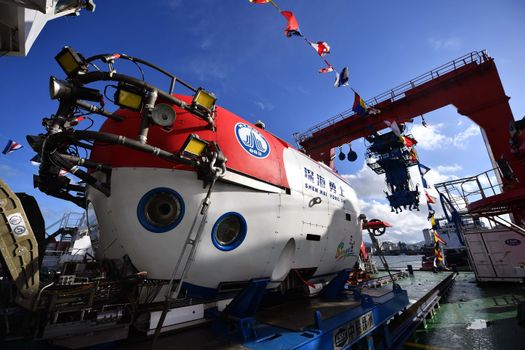
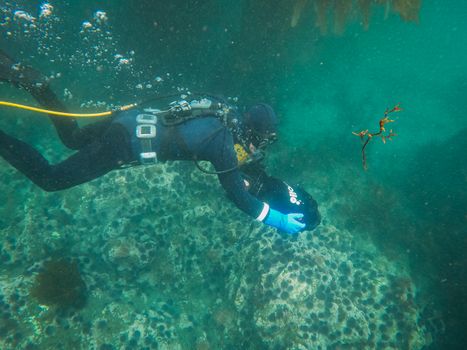
A Marine Biologist is like a detective of the ocean They study all sorts of living things that call the sea home from tiny plankton to enormous whales. Their work helps us understand how marine environments work what problems they face like pollution or climate change and how we can protect them. This might involve diving to observe creatures in their natural habitat collecting samples of water or marine life in boats using special equipment or even working in a lab analysing what they have found. They write reports and share their discoveries to help make important decisions about ocean conservation. Being a Marine Biologist can be a really exciting and varied job. You might find yourself working on a research vessel out at sea for weeks at a time exploring different parts of the ocean. Other times you could be working in an aquarium educating people about marine life or in a university teaching students and doing research. It often involves a lot of teamwork and problem solving. You need to be good at science especially biology and have a real passion for the ocean and its creatures. It is a career where you can truly make a difference to the health of our planet.

Marine Biologist

Flag Media

Please select a reason for flagging this content.

📊 Statistics

Starting Salary

For someone just starting out as a Marine Biologist in the UK, you might expect to earn around 18,000 to 25,000 pounds per year. This can increase a lot as you gain more experience.

Experienced Salary

With more experience, perhaps 5-10 years, a Marine Biologist in the UK could earn between 25,000 and 45,000 pounds. Senior roles or those in specialist areas might earn even more, sometimes over 50,000 pounds.

Number of Positions

It is a competitive field in the UK. While exact numbers are hard to pinpoint, jobs often come from universities, government bodies like the Marine Management Organisation, and conservation charities. There are fewer jobs than some other careers, so getting good qualifications and experience is key.

🚀 Careers in this path

Flag Media

Please select a reason for flagging this content.

Marine Mammal Rescuer

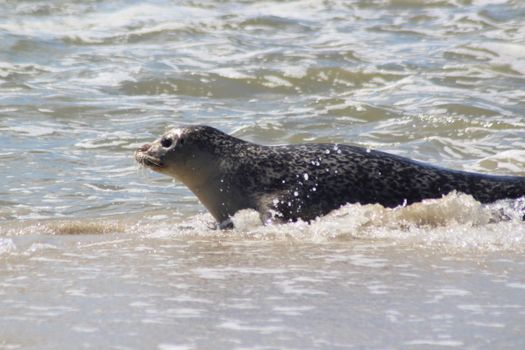
If you love marine animals and want to help them, you could rescue whales, dolphins, and seals that are in trouble. This job involves caring for sick or injured animals and helping them get back to the sea.

Flag Media

Please select a reason for flagging this content.

Coral Reef Conservationist

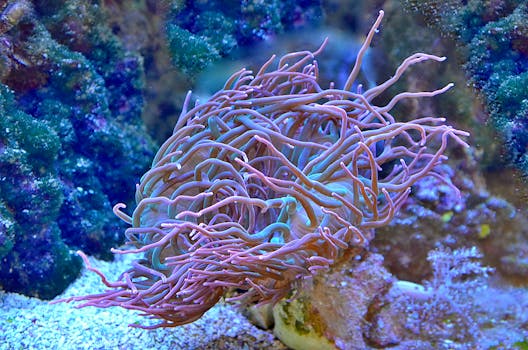
This job is all about protecting and restoring coral reefs, which are like underwater cities for many sea creatures. You would help plant new corals, monitor the health of reefs, and educate people on how to keep them safe.

Flag Media

Please select a reason for flagging this content.

Aquarium Curator

Imagine designing and looking after the amazing underwater worlds in a public aquarium. You would choose which fish and other sea creatures live there, make sure they are healthy and happy, and help people learn about them.

Build Your Foundations

Excel in Science Subjects

Focus on doing really well in subjects like Biology, Chemistry, and Maths during your GCSEs and A-Levels.

To become a marine biologist, a strong science background is essential. Aim for top grades in GCSEs, especially Combined Science or Triple Science. For A-Levels, Biology is crucial, and Chemistry, Maths, or Geography can also be very helpful. These subjects provide the fundamental knowledge you'll need for university and future research.

Explore the Natural World

Get outside, visit aquariums, and learn about different animals and plants, especially those in or near water.

Developing a genuine passion and curiosity for the natural world, particularly marine life, is key. Visit local aquariums, natural history museums, or even take trips to the coast. Read books and watch documentaries about the ocean. Understanding ecosystems and observing wildlife will spark your interest and give you a head start.

Join Science Clubs

Participate in science clubs at school or local community groups to do fun experiments and learn more.

School science clubs, eco-clubs, or even Young Naturalists groups can be fantastic ways to deepen your interest and learn practical skills. These clubs often involve experiments, field trips, or guest speakers, which can expose you to different aspects of science and conservation, helping you decide if this is truly the path for you.

Higher Education & Skills

Complete a Relevant Degree

Go to university to study Marine Biology, Zoology, Oceanography, or a related science subject.

Most marine biologist roles require a university degree. Look for undergraduate courses in Marine Biology, Biological Sciences with a marine focus, Zoology, Oceanography, or Environmental Science. Some universities in the UK, like Plymouth, Southampton, and Bangor, are particularly well-known for their marine science programmes. Check entry requirements carefully, as they usually ask for specific A-Level subjects.

Gain Practical Experience

Volunteer or intern with organisations that work with marine life or conservation.

Hands-on experience is incredibly valuable. Look for volunteering opportunities during university holidays at aquariums, wildlife trusts, conservation charities, or even local marine centres. This could involve anything from helping with animal care to assisting with fieldwork or educational programmes. This experience shows commitment and helps you develop practical skills.

Consider Further Study

Think about doing a Master's degree (MSc) or even a PhD if you want to specialise or work in research.

Many marine biologist roles, especially those in research, academia, or advanced conservation, require a postgraduate qualification. An MSc allows you to specialise in a particular area, like marine conservation, fisheries management, or marine mammal science. A PhD involves in-depth research and is usually needed for lead research positions or university lectureships.

Career Launch

Network and Connect

Meet people in the field by attending conferences, workshops, and joining professional groups.

Building connections is really important in this field. Attend scientific conferences, workshops, or career events where marine scientists gather. Join professional bodies like The Marine Biological Association (MBA) or the Challenger Society for Marine Science. Networking can lead to job opportunities, collaborations, and mentorship.

Develop Specialist Skills

Learn specific skills like diving, boat handling, data analysis, or using scientific equipment.

Depending on your chosen specialism, additional skills can make you a more attractive candidate. For field-based roles, qualifications in scientific diving (e.g., HSE Professional Scuba), first aid, or powerboat handling can be very useful. For research roles, strong data analysis skills (using software like R or Python), GIS mapping, or laboratory techniques are essential.

Apply for Jobs

Look for entry-level positions with research institutes, universities, conservation charities, or government agencies.

Once you have your qualifications and experience, start applying for jobs. Entry-level roles might include research assistant, field technician, environmental consultant, or conservation officer with a marine focus. Look at job boards from organisations like the Marine Biological Association, conservation trusts, universities, and government bodies like Cefas or Natural England. Be prepared for a competitive job market and don't give up!

🎬 Useful Videos

🎯 View Apprenticeships

Explore relevant apprenticeships that can help you kickstart your career in Marine Biologist. Apprenticeships offer hands-on experience and training while earning a wage.

Career Progressions

This page showcases various career options and the pathways to reach them. Each career listed here shares transferable skills and knowledge, making it easier for individuals to transition between them.

Your current career is highlighted to help you see how it fits into the broader landscape of potential career choices. By clicking on any career, you can learn more about it, including the training and education required to pursue it.

Remember, progressing in your career often involves further learning and training. This page provides insights into future career options as well as those that can lead up to your current one.

These career progression decisions are informed by comparing the skills and knowledge needed for different occupations, along with data on how people move between them. Explore the possibilities and discover the exciting journey ahead in your career!

Sample Qualifications

While 'Biologist' is a general fit, 'Oceanographer' is a more specific and accurate match for a Marine Biologist. Oceanographers, particularly biological oceanographers, study marine organisms and their interactions with the marine environment, which directly aligns with the core duties and qualifications of a Marine Biologist.

How to become

You can get into this job through a university course.

University

You can study for a degree in oceanography or a related subject, like:

  • ocean science
  • geology
  • physics
  • marine science
  • biology or chemistry
  • environmental science

Employers often look for students with postgraduate qualifications, like a master's degree or PhD. They also value experience of working in marine science, engineering or oceanographic research.

You can get experience by choosing a course that includes work placements or internships with a marine company or research centre.

You can find marine companies and research organisations through the Society for Underwater Technology.

Entry requirements

You'll usually need:

  • 5 GCSEs at grades 9 to 4 (A* to C), or equivalent, including English, maths and science
  • 3 A levels, or equivalent, including at least 1 science
  • a degree in a relevant subject for postgraduate study

More Information

More Information

Career tips

You could contact marine companies to see if you could work with them on a project as part of your university dissertation or postgraduate research. This would allow you to build up contacts in the industry, who may be able to help you find work once you complete your studies.

Further information

You can find out more about becoming an oceanographer from the:

Interested in More Career Paths?

Explore other careers or use our AI to discover personalised paths based on your interests.

Stay connected

Join our newsletter to stay up to date on features and releases

Address
Developing Experts Limited
Exchange Street Buildings
35-37 Exchange Street
Norwich
NR2 1DP
UK

Phone
01603 273515

Email
[email protected]

Copyright 2026 Developing Experts, All rights reserved.
