Creating Career Path...

Finding Further Careers...

Sustainable Sourcing Manager

View this career for different education levels:

A Sustainable Sourcing Manager plays a crucial role in ensuring that a company's products and services are sourced ethically and environmentally responsibly. This involves evaluating suppliers for their social and environmental impact, from raw material extraction through to manufacturing and delivery. You'll be responsible for developing and implementing sustainable procurement strategies, assessing risks related to human rights, labour practices, environmental damage, and resource depletion within the supply chain. This means negotiating contracts that include sustainability clauses, monitoring supplier performance against ethical standards, and driving initiatives to reduce waste, carbon footprints, and promote fair trade. It requires a blend of analytical skills, negotiation expertise, and a deep understanding of sustainability principles and relevant legislation. You'll often work closely with various internal departments, such as procurement, legal, marketing, and corporate social responsibility (CSR) teams, as well as external stakeholders like NGOs and auditing bodies. This career is becoming increasingly vital as businesses face greater scrutiny from consumers, investors, and regulators regarding their environmental and social impact. You'll be at the forefront of driving positive change, helping companies not only comply with regulations but also build a more resilient, transparent, and ethical supply chain. It involves conducting due diligence, developing supplier codes of conduct, managing certification processes (e.g., Fairtrade, FSC), and continuously seeking innovative ways to improve sustainability performance. The work is dynamic, challenging, and offers a real opportunity to make a tangible difference in how products are made and consumed globally.

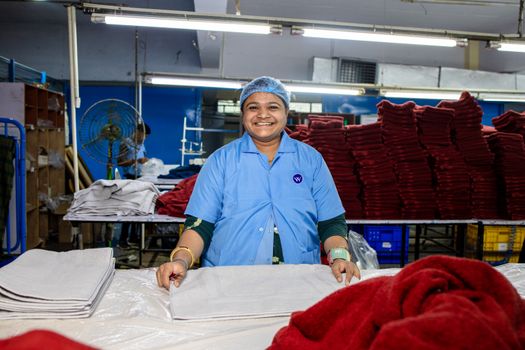
Sustainable Sourcing Manager

Flag Media

Please select a reason for flagging this content.

📊 Statistics

Average Salary Range

In the UK, a Sustainable Sourcing Manager can expect an average salary range of approximately 40,000 to 65,000 GBP per year. This can vary based on experience, company size, and location within the UK, with senior roles potentially exceeding 80,000 GBP.

Job Growth Outlook

The demand for sustainability professionals, including those in sourcing and supply chain, is projected to grow significantly in the UK. Industry reports indicate a strong upward trend, with roles in sustainability increasing by around 20-30% over the next five years as companies face increasing regulatory pressure and consumer demand for ethical practices.

Number of UK Positions (Estimate)

While exact figures are fluid, an estimated 2,500 to 4,000 active positions in sustainable procurement and sourcing management are currently available or frequently advertised across the UK, reflecting the growing corporate focus on environmental social and governance (ESG) criteria.

🚀 Careers in this path

Flag Media

Please select a reason for flagging this content.

Sustainable Supply Chain Analyst

Focuses on analysing and optimising a company's supply chain for environmental and social responsibility. This role involves data analysis, identifying areas for improvement, and supporting the implementation of sustainable practices.

Flag Media

Please select a reason for flagging this content.

Ethical Procurement Specialist

Concentrates on ensuring that goods and services are sourced in an ethical manner, considering labour practices, human rights, and fair trade. This often involves supplier auditing and developing ethical sourcing policies.

Flag Media

Please select a reason for flagging this content.

Circular Economy Consultant

Advises businesses on transitioning from linear 'take-make-dispose' models to circular models that prioritise reducing waste, reusing materials, and recycling. This involves strategy development and project management.

Build a Strong Foundation

Gain Relevant Education

Obtain a Bachelor's degree in a related field to provide a solid theoretical base for a career in sustainable sourcing.

A degree in Supply Chain Management, Business Administration, Environmental Science, or a related discipline is highly beneficial. Consider modules or specialisations in logistics, procurement, corporate social responsibility, or sustainable development. A Master's degree, such as an MSc in Sustainable Supply Chain Management or an MBA with a focus on sustainability, can further enhance your prospects and provide advanced knowledge.

Develop Core Skills

Cultivate essential transferable skills vital for success in supply chain and sustainability roles.

Focus on developing strong analytical skills for data interpretation, negotiation skills for supplier interactions, and project management skills for leading initiatives. Communication (both written and verbal) is key for stakeholder engagement, alongside problem-solving and strategic thinking. Familiarity with data analysis tools and ethical frameworks will also be highly advantageous.

Understand Industry Standards

Familiarise yourself with key sustainability frameworks, certifications, and regulations relevant to global supply chains.

Research standards like ISO 14001 (Environmental Management), ISO 20400 (Sustainable Procurement Guidance), and various ethical trade initiatives (e.g., Fairtrade, Sedex). Understanding international labour standards, human rights due diligence, and environmental legislation will be crucial for effective sustainable sourcing practices. Stay updated on emerging trends and regulatory changes.

Gain Practical Experience

Secure Entry-Level Roles

Start your career in a procurement, supply chain, or sustainability-focused role to gain hands-on experience.

Look for positions such as Procurement Assistant, Junior Buyer, Supply Chain Analyst, or CSR Coordinator. These roles will expose you to the operational aspects of sourcing, supplier relationships, and initial sustainability initiatives within a business. Prioritise companies known for their commitment to sustainability or those looking to improve their ethical footprint.

Seek Relevant Internships

Undertake internships or work placements specifically in sustainable procurement or supply chain departments.

Internships offer invaluable practical experience and networking opportunities. They allow you to apply theoretical knowledge to real-world scenarios, understand company culture, and build your professional network. Look for opportunities with larger corporations, consultancies, or NGOs that have dedicated sustainability teams or projects related to responsible sourcing.

Volunteer or Join Projects

Engage in volunteer work or participate in projects related to sustainability and ethical practices.

Volunteering for environmental organisations, ethical trade groups, or community projects can demonstrate your passion and commitment to sustainability. Even academic projects or university societies focused on ethical consumption or supply chain improvement can provide practical experience and a portfolio of achievements to discuss in job interviews.

Advance Your Expertise

Pursue Professional Certifications

Obtain industry-recognised certifications to validate and enhance your specialised knowledge in sustainable sourcing.

Consider certifications from bodies like the Chartered Institute of Procurement & Supply (CIPS) - particularly their sustainability modules, or the Institute of Environmental Management & Assessment (IEMA). These qualifications demonstrate a higher level of expertise and commitment to the field, making you a more attractive candidate for senior roles. They often involve rigorous examinations and practical case studies.

Network and Mentor

Build a strong professional network and seek mentorship from experienced professionals in the field.

Attend industry conferences, workshops, and webinars focused on sustainable supply chains and ethical sourcing. Join professional organisations and utilise platforms like LinkedIn to connect with peers and leaders. A mentor can provide invaluable guidance, share insights, and open doors to new opportunities, accelerating your career progression.

Take on Leadership Roles

Seek opportunities within your current role or apply for positions that involve leading sustainable sourcing initiatives.

Demonstrate initiative by volunteering to lead projects focused on supplier auditing, developing sustainable procurement policies, or implementing new ethical sourcing technologies. Gaining experience in managing budgets, teams, and cross-functional stakeholders will be vital for transitioning into a Sustainable Sourcing Manager position and ultimately, senior leadership roles.

🎬 Useful Videos

🎯 View Apprenticeships

Explore relevant apprenticeships that can help you kickstart your career in Sustainable Sourcing Manager. Apprenticeships offer hands-on experience and training while earning a wage.

Career Progressions

This page showcases various career options and the pathways to reach them. Each career listed here shares transferable skills and knowledge, making it easier for individuals to transition between them.

Your current career is highlighted to help you see how it fits into the broader landscape of potential career choices. By clicking on any career, you can learn more about it, including the training and education required to pursue it.

Remember, progressing in your career often involves further learning and training. This page provides insights into future career options as well as those that can lead up to your current one.

These career progression decisions are informed by comparing the skills and knowledge needed for different occupations, along with data on how people move between them. Explore the possibilities and discover the exciting journey ahead in your career!

Sample Qualifications

A Sustainable Sourcing Manager primarily focuses on ensuring ethical and environmentally friendly practices within a supply chain, which directly aligns with the duties and objectives of a Corporate Responsibility and Sustainability Practitioner. While there are purchasing elements, the core emphasis is on sustainability and ethical practice, not general purchasing management.

How to become

You can get into this job through:

  • a university course
  • a college course
  • an apprenticeship

University

You could do a degree or postgraduate qualification that includes units on corporate responsibility and sustainability, for example:

  • environment and sustainability
  • energy and engineering
  • transport and logistics
  • economics
  • community development
  • business management

Entry requirements

You'll usually need:

  • 2 to 3 A levels, or equivalent, for a degree
  • a degree in any subject for a postgraduate course

More Information

College

You could take a course in environmental sustainability or business management.

This may help you get some of the knowledge and skills you need to apply for trainee or apprenticeship roles.

Entry requirements

Entry requirements for these courses vary.

More Information

Apprenticeship

You could begin by doing a:

  • Corporate Responsibility and Sustainability Practitioner Level 4 Higher Apprenticeship
  • Sustainability Business Specialist Level 7 Degree Apprenticeship

These apprenticeships can take between 2 and 3 years to complete.

Entry requirements

You'll usually need:

  • 4 or 5 GCSEs at grades 9 to 4 (A* to C) and A levels, or equivalent, for a higher or degree apprenticeship

More Information

Volunteering

An understanding of the role of sustainability is highly valued by employers and you may have an advantage if you have experience of fundraising, working with volunteers or volunteering yourself.

You can find opportunities through the National Council for Voluntary Organisations and Do IT.

More Information

Professional and industry bodies

You could join the Institute of Sustainability and Environmental Professionals (ISEP) or Institute of Corporate Responsibility and Sustainability (ICRS) to:

  • gain professional recognition
  • find training opportunities
  • make industry contacts

Further information

You can discover more about sustainability work and training through the Green Careers Hub.

Interested in More Career Paths?

Explore other careers or use our AI to discover personalised paths based on your interests.

Stay connected

Join our newsletter to stay up to date on features and releases

Address
Developing Experts Limited
Exchange Street Buildings
35-37 Exchange Street
Norwich
NR2 1DP
UK

Phone
01603 273515

Email
[email protected]

Copyright 2026 Developing Experts, All rights reserved.