Imagine you have a super exciting story in your head, full of interesting characters and amazing adventures. A playwright is someone who writes down these stories specifically for people to act out on a stage, like at a theatre! They create all the words that the characters say (the dialogue) and describe what happens in each scene. They also think about where the play is happening and what the characters are doing. It is like being a master storyteller, but instead of writing a book to read, you are writing a blueprint for a show that people will watch live. You need to think about how actors will bring your words to life and how the audience will feel watching it.
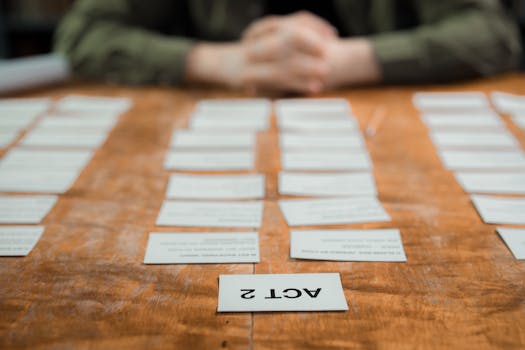
Playwrights earnings can vary a lot. A new writer might earn very little at first, perhaps a few thousand pounds a year from commissions or royalties. Established playwrights in the UK can earn 30,000 to over 100,000 pounds a year, especially if their plays are very popular.
It is difficult to say exactly how many full-time playwrights there are in the UK, as many people write plays alongside other jobs. The Writers Guild of Great Britain has thousands of members, and many of them are playwrights, but it is a competitive field.
Playwrights earn money in different ways. They get paid when a theatre asks them to write a new play (a commission), or they get a small payment every time their play is performed (royalties). This means their earnings can change a lot depending on how many plays they have on stage.
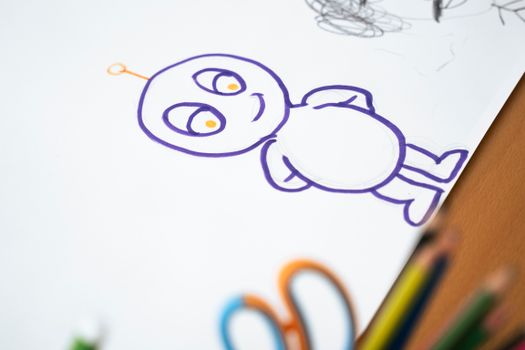
Imagine all the amazing cartoons you watch! Someone has to come up with all the funny adventures, clever conversations, and exciting endings. A story writer for cartoons thinks up all those ideas for characters like a brave knight, a talking animal, or a space explorer, and writes them down so animators can bring them to life on screen.

Do you love putting on shows with your toys? A puppet show creator is like a playwright, but for puppets! They invent characters, write the stories and what the puppets will say, and then help design and make the puppets and even the tiny stage. They then put on the show themselves, making the puppets talk and move.
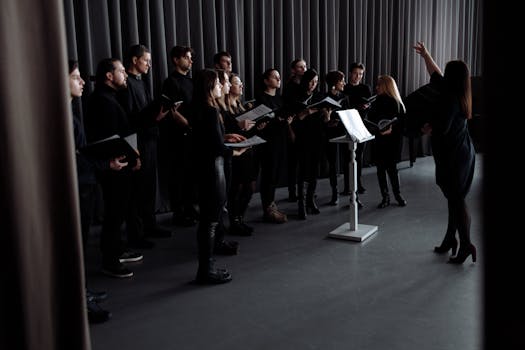
Every school play needs someone to help everyone know what to do! A school play director chooses a story, helps the actors learn their lines and where to stand, and makes sure the show looks and sounds just right. They help everyone work together to put on a fantastic performance for friends and family.
Start by making up your own stories! You can tell them to your toys, your family, or even just in your head. Think about characters, places, and exciting things that happen.
The best playwrights are brilliant storytellers. Practise making up stories about anything you find interesting. What if your teddy bear could talk? What if your toy car could fly? Thinking up fun 'what if' scenarios is a great way to start building your imagination muscles for writing plays.
Just like reading books helps you become a better writer, reading plays helps you understand how they work! Ask your parents to help you find some children's plays to read.
Reading different types of plays will show you how other playwrights create characters, set scenes, and write dialogue (what the characters say). You'll notice how plays are written differently from storybooks, with character names before their lines and descriptions of what's happening on stage.
Go to the theatre to see plays being performed! This helps you see how the words on the page come alive with actors, costumes, and scenery.
Watching a play will help you understand how your written words can turn into a magical show. You'll see how actors use their voices and bodies, how lights change the mood, and how sets create different places. This experience will inspire you and give you ideas for your own plays.
Pick two of your favourite toys or characters and write a short conversation between them. What do they talk about? What do they want?
Start small! Writing a short scene, maybe just a few lines of dialogue, is a great way to begin. Focus on what your characters say to each other and try to make their voices sound different. You can even add a little stage direction, like 'Molly smiles' or 'Bear sighs sadly'.
Think about who your characters are. Are they brave, funny, or a bit shy? Give them names and special things they like or don't like.
Good characters make a play exciting. Give your characters unique personalities and goals. What do they want to achieve? What makes them happy or sad? The more you know about your characters, the easier it will be to write their lines and actions.
Before you write a whole play, think about what happens at the beginning, middle, and end. What's the main problem and how do your characters solve it?
Planning your story is like drawing a map before a big adventure. Decide what your play is about, what challenge your characters face, and how they overcome it. A simple plan helps keep your story clear and exciting from start to finish.
Once you've written a little play, ask your friends or family to read the parts aloud. It's so much fun to hear your words spoken!
Hearing your play performed helps you understand what works well and what might need a little tweak. You'll notice if some lines sound a bit tricky to say or if a part of the story isn't clear. It's also a wonderful way to celebrate your writing!
If your school has a drama club or a local theatre group, join in! You'll learn lots about acting and how plays are put together.
Being part of a drama club helps you see plays from another side. You might act in plays written by others, which teaches you about character and stagecraft, or you might even get a chance to share your own short scenes with the group. It's a fantastic way to meet other creative people.
The more you write and the more plays you see and read, the better you'll become! Every story you create helps you grow as a playwright.
Writing is a skill that gets better with practice. Keep a special notebook for your play ideas, observe people and places for inspiration, and never stop being curious about the world around you. Every experience can become a part of your next amazing play!

Like a playwright, but they write stories for films and TV shows instead of the stage. They also write dialogue and scene descriptions.
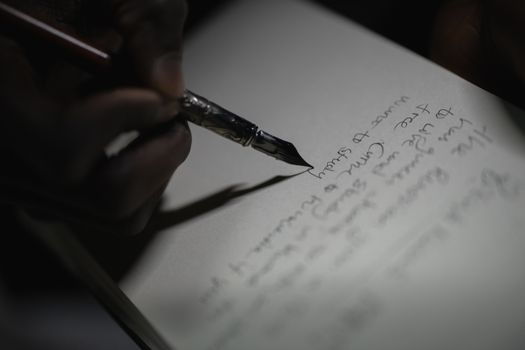
Someone who writes books like fiction stories for children or grown-ups. They focus on telling a story through written words that are read, rather than acted out.

A person who writes articles and reports for newspapers, magazines, or websites. They tell true stories and report on real events, using their writing skills to inform people.
Explore relevant apprenticeships that can help you kickstart your career in Playwright. Apprenticeships offer hands-on experience and training while earning a wage.
Explore other careers or use our AI to discover personalised paths based on your interests.
Address
Developing Experts Limited
Exchange Street Buildings
35-37 Exchange Street
Norwich
NR2 1DP
UK
Phone
01603 273515
Email
[email protected]
Copyright 2026 Developing Experts, All rights reserved.

Unlock expert-designed lessons, resources, and assessments tailored for educators. No credit card required.
Claim Your Free Trial →We use cookies to enhance your browsing experience and analyze our traffic. Learn more.

