


Creating Career Path...

Finding Further Careers...

Midwife

View this career for different education levels:

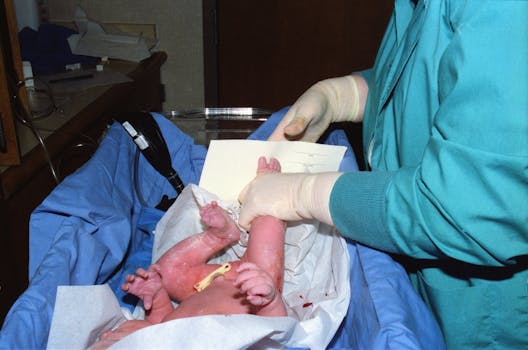
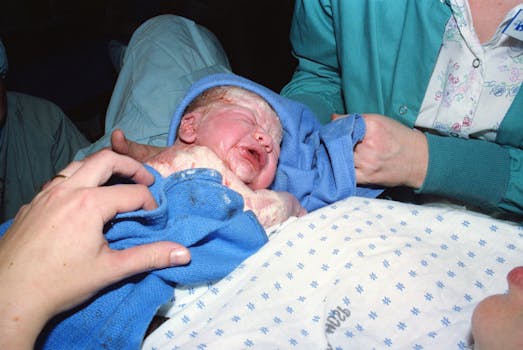
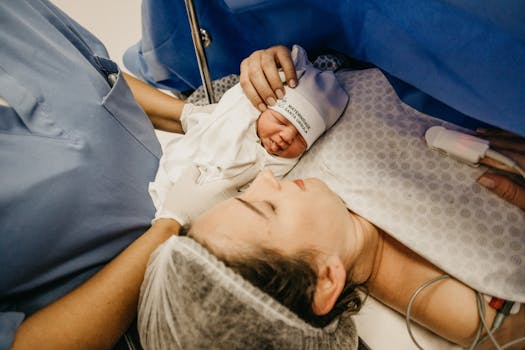
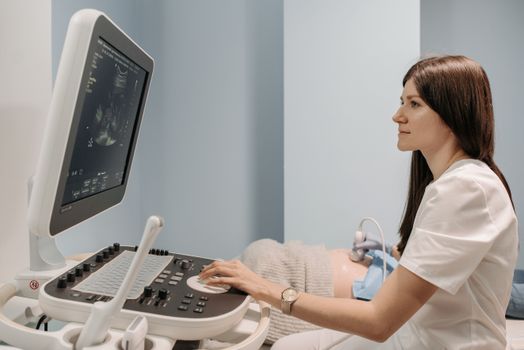
As a midwife in the UK, you play a pivotal role in supporting women and their families throughout pregnancy, labour, and the postnatal period. This is a deeply rewarding career focused on providing holistic care, from antenatal education and health assessments to guiding mothers through childbirth and offering crucial support in the weeks following birth. You will work in various settings, including hospitals (on labour wards, antenatal and postnatal wards), birth centres, and within the community, conducting home visits. Your responsibilities are wide-ranging and include monitoring the health of both mother and baby, delivering babies, administering medications, offering emotional support, and providing advice on infant feeding, recovery, and general wellbeing. It requires a blend of clinical expertise, empathy, resilience, and excellent communication skills, often involving working irregular hours, including nights and weekends. The majority of midwife positions are within the NHS, but there are also opportunities in independent practice.

Midwife

Flag Media

Please select a reason for flagging this content.

📊 Statistics

Starting Salary

Newly qualified midwives in the NHS typically start on Band 5, which is currently around 28,407 to 34,581 per year. With experience, this can rise significantly.

Experienced Salary

Experienced midwives can reach Band 6 or 7, earning approximately 35,392 to 50,952 per year. Senior roles or specialist positions can attract higher salaries, potentially exceeding 60,000.

Workforce Numbers

As of recent data, there are over 27,000 full-time equivalent midwives working in the NHS across the UK, indicating a substantial and vital profession. There is an ongoing demand for qualified professionals in this field.

🚀 Careers in this path

Flag Media

Please select a reason for flagging this content.

Labour and Delivery Midwife

Specialising in supporting women during childbirth, focusing on monitoring progress, administering medication, and assisting with delivery in a hospital or birth centre setting. This role often involves working closely with obstetricians.

Flag Media

Please select a reason for flagging this content.

Community Midwife

Working with women and their families in their homes and local clinics, providing antenatal and postnatal care, including home visits, breastfeeding support, and parent education classes. This role offers a broader community-based experience.

Flag Media

Please select a reason for flagging this content.

Antenatal Education Specialist

Focusing on designing and delivering antenatal classes and workshops for expectant parents, covering topics like birth preparation, pain management, infant feeding, and newborn care. This role involves teaching and programme development.

Foundation & Education

Achieve Required Qualifications

To become a midwife in the UK, you'll typically need to complete a degree in Midwifery. Universities usually require specific A-Level subjects or equivalent vocational qualifications.

Most universities require a minimum of five GCSEs (grades 9-4/A*-C), including English, Maths, and a Science subject, plus three A-Levels, often including a science or health-related subject like Biology, Chemistry, or Psychology. Alternatively, an Access to Higher Education Diploma (Health/Science related) can be an excellent route. Some universities may also consider relevant Level 3 vocational qualifications.

Research & Apply for Degree Programmes

Identify accredited midwifery degree programmes across the UK and apply through UCAS. Pay close attention to entry requirements and course content.

Look for BSc (Hons) Midwifery programmes approved by the Nursing and Midwifery Council (NMC). Consider factors like course structure (e.g., balance of theory and practice), placement opportunities, and university location. Many universities hold open days, which are a great opportunity to speak to current students and lecturers, and get a feel for the campus environment. Start your UCAS application well in advance of deadlines, typically around January for the following academic year.

Gain Relevant Experience

Volunteering or gaining experience in healthcare settings can significantly strengthen your university application and give you valuable insight into the profession.

Consider volunteering in hospitals, hospices, care homes, or even shadowing healthcare professionals if opportunities arise. This demonstrates your commitment to a caring profession, helps you develop communication skills, and provides practical examples for your personal statement and interviews. Even part-time roles in customer service or any role requiring empathy and responsibility can be beneficial.

Professional Training & Registration

Complete Your Midwifery Degree

Undertake a three-year full-time (or equivalent part-time) Bachelor of Science (BSc Hons) in Midwifery. This degree combines academic study with extensive practical placements.

The degree curriculum covers a wide range of topics including anatomy and physiology, pharmacology, public health, ethics, professional practice, and advanced midwifery skills. A significant portion of your training will be spent on supervised clinical placements in various settings such as antenatal clinics, labour wards, postnatal wards, and community midwifery teams. These placements are crucial for developing hands-on skills and applying theoretical knowledge in real-world scenarios.

Register with the NMC

Upon successful completion of your degree, you must register with the Nursing and Midwifery Council (NMC) to practice as a qualified midwife in the UK.

Registration with the NMC is mandatory to work as a midwife. It confirms that you have met the required standards of education, training, and professional conduct. The NMC maintains a register of qualified midwives, ensuring public safety and professional standards. You will need to complete an application form and pay a registration fee. This registration must be renewed periodically to ensure you continue to meet fitness to practice requirements.

Seek Your First Midwifery Role

Begin applying for entry-level midwifery positions, often as a Band 5 midwife, in hospitals, birth centres, or community trusts.

Newly qualified midwives often start their careers within NHS trusts. Look for 'Staff Midwife' positions, which may sometimes be specifically advertised for newly qualified professionals or those seeking preceptorships. A preceptorship is a structured period of support for newly qualified midwives, providing a mentor and a supportive environment to transition from student to independent practitioner. Use NHS Jobs and other professional job boards to find vacancies. Prepare a strong CV and practice interview techniques, focusing on your clinical skills, communication abilities, and commitment to woman-centred care.

Career Development & Specialisation

Engage in Continuous Professional Development (CPD)

Midwifery is a dynamic field; ongoing learning and development are essential to maintain and enhance your skills and knowledge.

CPD can include attending workshops, conferences, postgraduate courses, reading professional journals, and participating in in-house training sessions. The NMC requires midwives to revalidate every three years, which involves demonstrating ongoing CPD, practice hours, and professional reflections. This ensures that your practice remains safe, effective, and up-to-date with the latest evidence-based care.

Explore Specialised Roles

After gaining experience, you can choose to specialise in particular areas of midwifery, such as labour ward coordinator, perinatal mental health, or public health.

Midwifery offers various specialisms. For example, you could become a Bereavement Midwife, supporting families through loss; a Community Midwife, providing antenatal and postnatal care in homes and clinics; a Consultant Midwife, combining advanced clinical practice with leadership and research; or specialise in areas like high-risk pregnancies, fetal medicine, or safeguarding. Pursuing postgraduate qualifications, such as a Master's degree, or specific training courses can help you move into these advanced or specialist roles.

Consider Leadership and Management Opportunities

With significant experience, you can progress into leadership and management roles within midwifery, overseeing teams and contributing to service improvement.

Roles such as Ward Manager, Team Leader, Matron, or Head of Midwifery involve greater responsibility for patient care delivery, staff management, budgeting, and service development. These roles require strong leadership, organisational, and communication skills, often built up through years of clinical practice and potentially further management training. You might be involved in implementing new policies, mentoring junior staff, and ensuring high standards of care across your department or trust.

🎬 Useful Videos

🎯 View Apprenticeships

Explore relevant apprenticeships that can help you kickstart your career in Midwife. Apprenticeships offer hands-on experience and training while earning a wage.

Career Progressions

This page showcases various career options and the pathways to reach them. Each career listed here shares transferable skills and knowledge, making it easier for individuals to transition between them.

Your current career is highlighted to help you see how it fits into the broader landscape of potential career choices. By clicking on any career, you can learn more about it, including the training and education required to pursue it.

Remember, progressing in your career often involves further learning and training. This page provides insights into future career options as well as those that can lead up to your current one.

These career progression decisions are informed by comparing the skills and knowledge needed for different occupations, along with data on how people move between them. Explore the possibilities and discover the exciting journey ahead in your career!

Sample Qualifications

How to become

You can get into this job through:

  • a university degree
  • an apprenticeship
  • a specialist course run by a professional body

University

You can do a degree in midwifery as long as it's approved by the Nursing and Midwifery Council.

If you already have a degree that is not in midwifery, you can do a postgraduate midwifery course to become a midwife.

You may be able to get additional student financial support through the NHS Learning Support Fund.

Entry requirements

You'll usually need:

  • 5 GCSEs at grades 9 to 4 (A* to C), or equivalent, including English, maths and science
  • 2 or 3 A levels, including a science, or a level 3 diploma or access to higher education in health, science or nursing
  • a degree in a relevant subject for postgraduate study

More Information

Apprenticeship

You can do a Midwife Level 6 Degree Apprenticeship.

This typically takes 48 months to complete and includes learning on the job and studying at an approved university.

Entry requirements

You'll usually need:

  • 4 or 5 GCSEs at grades 9 to 4 (A* to C) and A levels, or equivalent, for a degree apprenticeship

More Information

Volunteering

You'll find it helpful to get some volunteering experience in healthcare before you apply for a course.

You can also find volunteering opportunities through The National Council for Voluntary Organisations and Do IT.

Other Routes

If you're a registered adult nurse you may be able to take a conversion course to become a midwife. These usually take between 18 and 24 months.

More Information

Registration

Career tips

When applying for degree courses and apprenticeships, you'll be expected to show an understanding of how the NHS values apply in your work.

Further information

You can find more on how to become a midwife from the Royal College of Midwives and Health Careers.

Interested in More Career Paths?

Explore other careers or use our AI to discover personalised paths based on your interests.

Stay connected

Join our newsletter to stay up to date on features and releases

Address
Developing Experts Limited
Exchange Street Buildings
35-37 Exchange Street
Norwich
NR2 1DP
UK

Phone
01603 273515

Email
[email protected]

Copyright 2026 Developing Experts, All rights reserved.
