


Creating Career Path...

Finding Further Careers...

Veterinarian

View this career for different education levels:

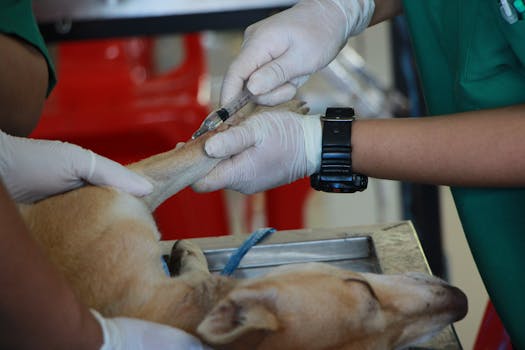
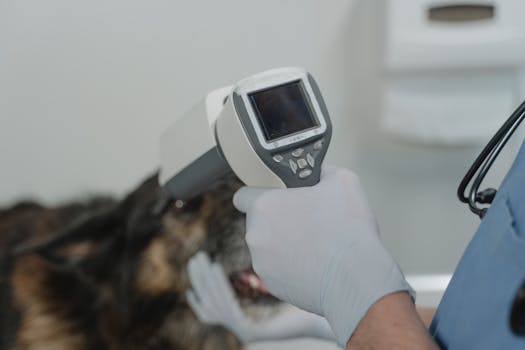
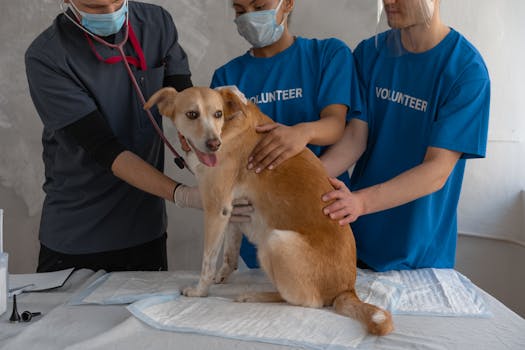
Being a veterinarian in the UK is a demanding yet incredibly rewarding career focused on the health and welfare of animals. Your day-to-day could involve a wide range of tasks, from routine check-ups, vaccinations, and spaying/neutering to complex surgeries, diagnosing illnesses, and providing emergency care. You'll work with a diverse array of animals, including pets like dogs, cats, and rabbits, as well as farm animals, exotic species, and even wildlife, depending on your specialisation. The role requires not only a deep understanding of animal anatomy, physiology, and medicine but also strong communication skills to interact with anxious pet owners, deliver difficult news, and educate clients on animal care. You'll be using diagnostic tools like X-rays and ultrasound, prescribing medications, and performing intricate procedures. It's a career that often involves long hours, on-call duties, and dealing with emotionally challenging situations, but the impact you have on animal lives and the gratitude of their owners can be immense. To become a veterinarian in the UK, you typically need to complete a five or six-year veterinary degree approved by the Royal College of Veterinary Surgeons (RCVS). This involves a rigorous academic curriculum combined with extensive practical placements to gain hands-on experience. Many vets choose to specialise after graduation, pursuing further qualifications in areas such as small animal surgery, equine medicine, zoological medicine, or public health. Continuous professional development (CPD) is mandatory to maintain registration with the RCVS, ensuring vets stay up-to-date with the latest advancements in veterinary science and practice. The profession also offers opportunities beyond clinical practice, including roles in research, government agencies, pharmaceutical companies, and animal welfare organisations.

Veterinarian

Flag Media

Please select a reason for flagging this content.

📊 Statistics

Starting Salary (Veterinary Surgeon)

Newly qualified veterinary surgeons in the UK can expect to earn a starting salary typically ranging from 28,000 to 35,000 pounds per year, depending on location and type of practice.

Experienced Salary (Veterinary Surgeon)

With several years of experience, a veterinary surgeon's salary can rise to 45,000 to 70,000 pounds. Those in specialist roles, management, or owning their own practice can earn significantly more, potentially exceeding 90,000 pounds.

Number of Registered Vets (RCVS)

As of early 2024, there are over 30,000 veterinary surgeons registered with the Royal College of Veterinary Surgeons (RCVS), the regulatory body for veterinary professionals in the UK.

🚀 Careers in this path

Flag Media

Please select a reason for flagging this content.

Small Animal Vet

Focus specifically on the care, diagnosis, and treatment of common household pets like dogs, cats, rabbits, and other companion animals, often working in private clinics or animal hospitals.

Flag Media

Please select a reason for flagging this content.

Veterinary Nurse

Work alongside a vet to provide essential support in the care of animals. This includes assisting during surgery, administering medication, monitoring patients, and educating pet owners. It's a hands-on role with direct animal contact.

Flag Media

Please select a reason for flagging this content.

Veterinary Pathologist

Analyse tissue samples and body fluids to diagnose diseases in animals. This role involves significant lab work and a deep understanding of disease processes, often working in research, universities, or diagnostic labs rather than directly with live animals.

Foundation & Academic Preparation

Achieve strong A-Levels

Focus on achieving excellent grades in science subjects, which are typically prerequisites for veterinary medicine courses.

Most UK veterinary schools require A-Levels in Chemistry, Biology, and often a third science or maths subject (e.g., Physics, Maths). Aim for top grades, typically A*AA or AAA, as admission is highly competitive. Some universities may accept specific vocational qualifications alongside A-Levels, so always check individual university requirements.

Gain Relevant Work Experience

Accumulate a significant amount of work experience with various animal species and in different veterinary settings.

Veterinary schools place a strong emphasis on practical experience. Aim for a diverse portfolio including time in veterinary practices (small animal, farm, equine), animal shelters, farms, kennels, catteries, or zoos. This demonstrates your commitment, understanding of the profession's realities, and ability to handle animals safely and ethically. Document your experiences, reflecting on what you learned.

Apply for a Veterinary Medicine Degree

Submit your application to accredited veterinary schools through UCAS, highlighting your academic achievements and work experience.

Research different veterinary medicine programmes across the UK. Each university has specific entry requirements and may favour different types of experience or interview styles. Prepare a compelling personal statement that articulates your passion for veterinary medicine, your understanding of the profession, and how your experiences have prepared you. Be ready for interviews, which often include ethical scenarios and practical tests.

Veterinary Degree & Practical Training

Complete your Veterinary Degree (BVSc/DVM)

Undertake a demanding five or six-year undergraduate degree course in Veterinary Medicine, combining theory with extensive practical work.

The Bachelor of Veterinary Science (BVSc) or Doctor of Veterinary Medicine (DVM) programmes are comprehensive. You will study anatomy, physiology, pharmacology, pathology, clinical skills, surgery, and medicine across various species. The curriculum is challenging, requiring dedication and a strong scientific aptitude. You will also learn about professional ethics and communication skills essential for client interactions.

Engage in Extra-Mural Studies (EMS)

Complete mandatory periods of practical experience outside of university teaching time, gaining hands-on clinical exposure.

EMS is a crucial component of your degree, required by the Royal College of Veterinary Surgeons (RCVS) for graduation. It involves gaining practical experience in veterinary practices, farms, abattoirs, and other animal-related settings. These placements allow you to apply theoretical knowledge in real-world scenarios, develop practical skills, and observe the day-to-day life of a vet. You will need to log and reflect on all your EMS hours.

Pass Final Examinations and Graduate

Successfully complete all coursework, practical assessments, and final examinations to earn your veterinary degree.

The final years of your degree will heavily focus on clinical rotations and preparing for comprehensive final exams that cover all aspects of veterinary medicine. These exams often include written papers, practical assessments (OSCEs), and viva voce (oral examinations). Successful completion is essential for graduation and eligibility to register with the RCVS.

Professional Registration & Career Development

Register with the RCVS

Upon graduation, register with the Royal College of Veterinary Surgeons (RCVS) to legally practice as a vet in the UK.

The RCVS is the regulatory body for veterinary surgeons in the UK. Registration is mandatory to use the title 'Veterinary Surgeon' and practice legally. This involves providing proof of your qualifications and agreeing to adhere to the RCVS Code of Professional Conduct. The RCVS ensures high standards of veterinary care and professional conduct.

Undertake a Graduate/New Vet Programme

Consider starting your career with a structured graduate programme to support your transition into professional practice.

Many veterinary practices offer graduate programmes or mentorship schemes designed to help new vets develop their skills and confidence. These programmes often provide structured training, senior vet supervision, and opportunities to rotate through different departments (e.g., surgery, consultations). This can be an invaluable way to gain practical experience and support during your first few years in practice.

Pursue Continuing Professional Development (CPD)

Commit to lifelong learning and ongoing professional development to stay current with advancements in veterinary medicine.

The veterinary field is constantly evolving. The RCVS mandates a certain number of CPD hours annually to maintain your registration. This can involve attending conferences, workshops, online courses, reading journals, or pursuing further qualifications like Certificates in Advanced Veterinary Practice (CertAVP). Specialisation in areas like small animal surgery, equine medicine, or zoo animal health is also an option later in your career.

🎬 Useful Videos

🎯 View Apprenticeships

Explore relevant apprenticeships that can help you kickstart your career in Veterinarian. Apprenticeships offer hands-on experience and training while earning a wage.

Career Progressions

No career progressions found for Veterinarian

Sample Qualifications

The term 'Vet' is a universally recognised and direct colloquial abbreviation for 'Veterinarian', referring to a medical professional qualified to treat animals.

How to become

You can get into this job through a university course.

University

You'll need to complete a veterinary degree approved by the Royal College of Veterinary Surgeons (RCVS).

Entry to courses is highly competitive. For this reason the selection process is very thorough. You can expect to be interviewed and to take screening tests at most universities. 

You'll need to show:

  • you are able to meet the academic requirements of the course
  • you understand what the role involves
  • you are highly motivated
  • you have done some relevant work experience

Many universities offer a foundation year, which prepares you for the veterinary degree course.

You can find out more about studying veterinary science from UCAS.

Full-time veterinary degrees usually take 5 to 6 years.

If you already have a degree in a related subject, for example, biomedical sciences, you may be able to take a 4-year graduate entry veterinary degree course.

You can also apply to join the Army Medical Service while completing your degree at university. On selection, you would receive further training to become a veterinary officer in the army.

Entry requirements

You'll usually need:

  • 5 GCSEs at grades 9 to 4 (A* to C), or equivalent, including English, maths and science
  • 3 A levels, or equivalent, including biology and chemistry

More Information

Volunteering

You'll need to get experience of working with animals, which will help when applying for courses.

You can contact:

  • veterinary practices
  • local animal welfare centres
  • animal charities, like the PDSA or RSPCA
  • local dairy and livestock farms
  • riding stables

More Information

Registration

Career tips

You can explore veterinary science through virtual work experience with Futurelearn.

Professional and industry bodies

You could join the British Veterinary Association and British Small Animals Veterinary Association for professional development and networking opportunities.

You could also join the British Equine Veterinary Association if you work with horses.

Further information

You can find out more about becoming a vet from the Royal College of Veterinary Surgeons and British Veterinary Association.

Interested in More Career Paths?

Explore other careers or use our AI to discover personalised paths based on your interests.

Stay connected

Join our newsletter to stay up to date on features and releases

Address
Developing Experts Limited
Exchange Street Buildings
35-37 Exchange Street
Norwich
NR2 1DP
UK

Phone
01603 273515

Email
[email protected]

Copyright 2026 Developing Experts, All rights reserved.
