Creating Career Path...

Finding Further Careers...

Veterinarian

View this career for different education levels:

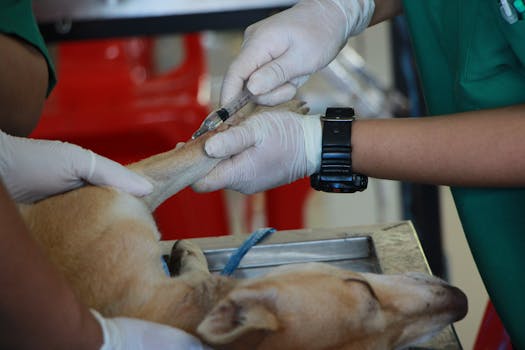
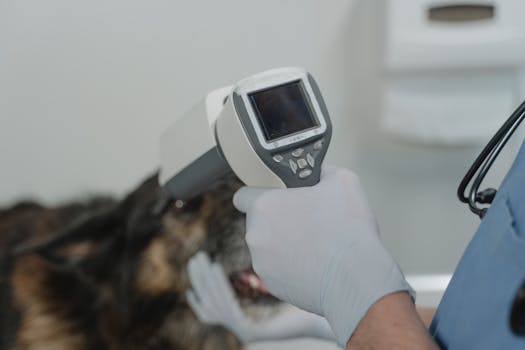
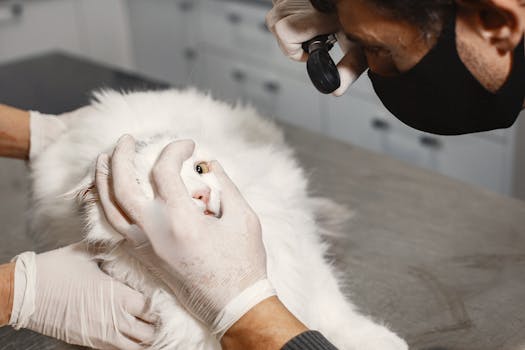
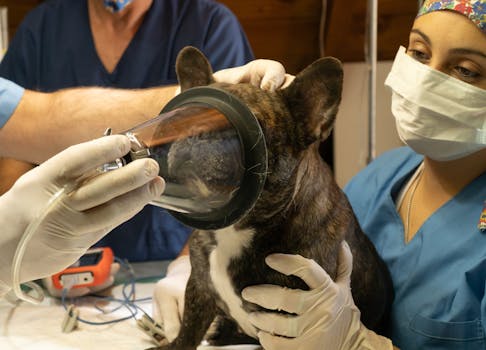
Imagine being a superhero for animals. That's a bit like what a Veterinarian does! Vets are animal doctors. They spend their days making sure all sorts of animals, from tiny hamsters and fluffy cats to big dogs and farm animals like cows and sheep, stay healthy and happy. They know how to give animals their yearly check-ups, just like you go to the doctor, to make sure everything is okay. If an animal is poorly or hurt, a vet will know how to make them feel better. They might give them medicine, fix a broken leg, or even help deliver baby animals. Being a vet is a very important job because animals can't tell us what's wrong, so vets have to be very clever at figuring it out. They listen to hearts, look at teeth, and sometimes even take special pictures called X-rays to see inside an animal's body. It's a job where you need to be kind, patient, and very good at understanding animals. You get to help lots of different creatures every day and make a real difference to their lives and the lives of their owners.

Veterinarian

Flag Media

Please select a reason for flagging this content.

📊 Statistics

Average Starting Salary

When you first become a vet in the UK, you can expect to earn around 28,000 to 35,000 pounds a year. This is how much money you might get for helping animals.

Experienced Veterinarian Salary

For vets with lots of experience and special skills, their yearly earnings can go up to 60,000 pounds or even more. The more you know and help, the more you can earn.

Number of Vets in the UK

There are over 27,000 registered vets working across the UK. That's a lot of people looking after our furry, feathered, and scaled friends.

🚀 Careers in this path

Flag Media

Please select a reason for flagging this content.

Small Animal Vet

A type of vet who looks after pets like cats, dogs, rabbits, and hamsters. You'd help them feel better when they're sick or hurt, give them check-ups, and make sure they're happy and healthy.

Flag Media

Please select a reason for flagging this content.

Zoo Vet

A vet who works specifically with animals at the zoo. You'd get to care for all sorts of amazing creatures, from lions and tigers to monkeys and giraffes, making sure they stay well.

Flag Media

Please select a reason for flagging this content.

Farm Animal Vet

This vet helps big animals on farms, like cows, sheep, and pigs. You'd visit farms to check on the animals, help them when they're poorly, and make sure they're strong and healthy.

Learning About Animals

Read Animal Books

Start by reading lots of books about different animals. Learn their names, what they eat, and how they live.

There are so many amazing books about animals! You could read about farm animals like cows and sheep, or wild animals like lions and elephants. Learn about their habitats, what makes them special, and how they communicate. This helps you understand how different animals live and what they might need.

Watch Animal Documentaries

Watch TV shows and films about animals to see vets in action and learn about animal behaviour.

Nature documentaries are brilliant for seeing animals in their natural homes and learning about how they grow and change. You can often see vets helping animals in these shows, which gives you a peek into what their job is like. Look for shows about zoos, wildlife rescues, or even pet hospitals!

Visit a Farm or Zoo

If you can, visit places where animals live, like a local farm, pet shop, or zoo, to see them up close.

Visiting a farm can show you how vets help bigger animals like cows and horses. A pet shop lets you see smaller pets like hamsters and birds. And a zoo is fantastic for seeing lots of different animals from all over the world! Always be gentle and respectful around animals, and remember to wash your hands afterwards.

Getting Ready for School

Do Well in Science

Pay close attention in science lessons at school, as this will help you understand how bodies work.

Science is super important for becoming a vet! You'll learn about biology, which is the study of living things, including animals and people. Understanding how bodies work, what plants and animals need to grow, and how medicines help can all start with your science lessons now. Ask your teacher lots of questions!

Learn to be Kind and Patient

Animals can sometimes be scared or shy, so it's important to be kind, calm, and patient with them.

Vets need to be very gentle and understanding. Sometimes animals are feeling poorly or are a bit frightened when they visit the vet. Learning to be calm and patient when you're around animals, or even with your friends and family, is a really good skill to have. It helps everyone feel safe and happy.

Practice Being Observant

Try to notice small details about animals, like if they're eating normally or moving differently.

Vets are like detectives! They look for clues to figure out what's wrong with an animal. You can practice this by watching your own pet or animals you see. Do they seem tired? Are they playing like normal? Noticing these little things now will help you become a great vet later on.

Helping Animals

Help Care for Pets

If you have pets at home, help your family look after them by feeding them or playing with them.

Caring for your own pets is a wonderful way to learn responsibility and understand what animals need every day. You could help with feeding time, making sure their water bowl is full, or taking them for a walk. Always ask a grown-up for help and guidance when looking after pets.

Volunteer at an Animal Shelter (when older)

When you're a bit older, you could volunteer at an animal rescue centre or shelter to help care for animals.

Volunteering at an animal shelter is an amazing way to spend time with many different animals and learn how to care for them. You might help with cleaning, feeding, or just spending time playing with the animals. This experience is really valuable for understanding what goes into looking after animals and what a vet's day can be like.

Talk to a Vet

If you get a chance, ask a real vet what their job is like and what they enjoy most about it.

If your pet goes to the vet, or if you know someone who is a vet, ask if they can tell you about their job. They can share stories about helping animals and explain what they do every day. It's a great way to hear first-hand what it's like to be an animal doctor and get tips on how to follow your dream!

🎬 Useful Videos

🎯 View Apprenticeships

Explore relevant apprenticeships that can help you kickstart your career in Veterinarian. Apprenticeships offer hands-on experience and training while earning a wage.

Career Progressions

No career progressions found for Veterinarian

Sample Qualifications

A 'Veterinarian' is commonly and officially referred to as a 'Vet' in UK English, denoting the same professional role focused on animal healthcare.

How to become

You can get into this job through a university course.

University

You'll need to complete a veterinary degree approved by the Royal College of Veterinary Surgeons (RCVS).

Entry to courses is highly competitive. For this reason the selection process is very thorough. You can expect to be interviewed and to take screening tests at most universities. 

You'll need to show:

  • you are able to meet the academic requirements of the course
  • you understand what the role involves
  • you are highly motivated
  • you have done some relevant work experience

Many universities offer a foundation year, which prepares you for the veterinary degree course.

You can find out more about studying veterinary science from UCAS.

Full-time veterinary degrees usually take 5 to 6 years.

If you already have a degree in a related subject, for example, biomedical sciences, you may be able to take a 4-year graduate entry veterinary degree course.

You can also apply to join the Army Medical Service while completing your degree at university. On selection, you would receive further training to become a veterinary officer in the army.

Entry requirements

You'll usually need:

  • 5 GCSEs at grades 9 to 4 (A* to C), or equivalent, including English, maths and science
  • 3 A levels, or equivalent, including biology and chemistry

More Information

Volunteering

You'll need to get experience of working with animals, which will help when applying for courses.

You can contact:

  • veterinary practices
  • local animal welfare centres
  • animal charities, like the PDSA or RSPCA
  • local dairy and livestock farms
  • riding stables

More Information

Registration

Career tips

You can explore veterinary science through virtual work experience with Futurelearn.

Professional and industry bodies

You could join the British Veterinary Association and British Small Animals Veterinary Association for professional development and networking opportunities.

You could also join the British Equine Veterinary Association if you work with horses.

Further information

You can find out more about becoming a vet from the Royal College of Veterinary Surgeons and British Veterinary Association.

Interested in More Career Paths?

Explore other careers or use our AI to discover personalised paths based on your interests.

Stay connected

Join our newsletter to stay up to date on features and releases

Address
Developing Experts Limited
Exchange Street Buildings
35-37 Exchange Street
Norwich
NR2 1DP
UK

Phone
01603 273515

Email
[email protected]

Copyright 2026 Developing Experts, All rights reserved.
