
Creating Career Path...

Finding Further Careers...

Athlete

View this career for different education levels:

Being an athlete means you are someone who is very good at a particular sport and you work hard to get even better. You might run very fast, swim quickly, or be great at playing football or tennis. Athletes spend a lot of time practising their sport, making sure their bodies are strong and healthy, and learning new skills. They often work with coaches who help them improve and prepare for competitions or matches. Being an athlete is about being dedicated, disciplined, and always trying your best. Athletes travel to different places to compete against other athletes or teams. They have to follow special diets to stay healthy and get enough rest. Sometimes, they might get hurt and need to recover. It is a job that needs a lot of energy and focus, and it can be very exciting, especially when you win a medal or a big game. It is also about being a good sport and working well with others, whether it is your team or your coach.

Athlete

Flag Media

Please select a reason for flagging this content.

📊 Statistics

Average Salary (UK)

For professional athletes in the UK, salaries can vary a lot. Some might earn around 20,000 pounds a year when they are starting, while very famous athletes can earn millions of pounds a year.

Number of Professional Athletes (UK)

It is tricky to give an exact number, but around 15,000 to 20,000 people in the UK might be considered professional athletes across many different sports. This includes people who earn money from their sport.

Hours Worked Each Week

Athletes often train for many hours a week, sometimes 20 to 40 hours or even more. This includes practice, going to the gym, and getting ready for competitions.

🚀 Careers in this path

Flag Media

Please select a reason for flagging this content.

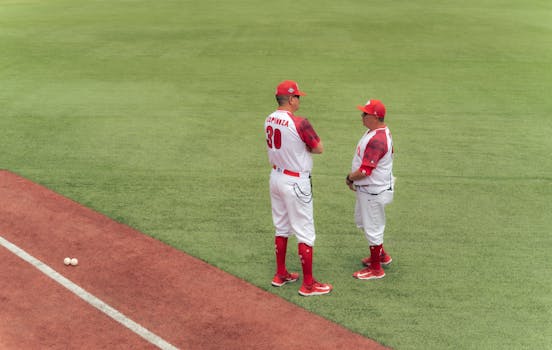
Football Player

Playing football for a team, scoring goals and helping your team win matches.

Flag Media

Please select a reason for flagging this content.

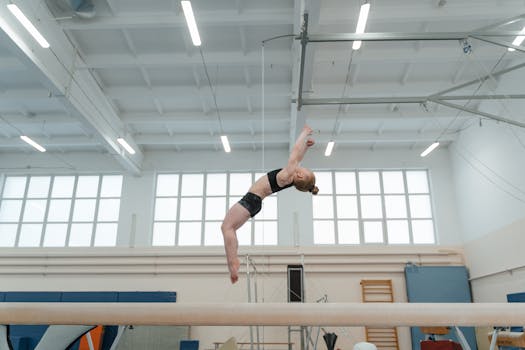
Gymnast

Doing amazing flips, turns and balances on the floor or special equipment like beams.

Flag Media

Please select a reason for flagging this content.

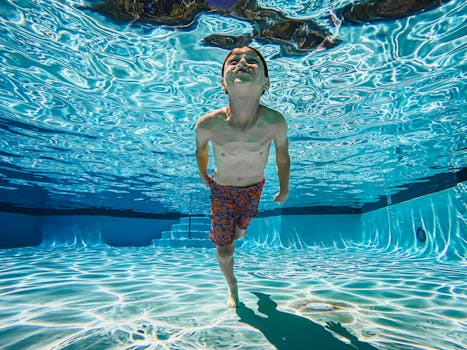
Swimmer

Racing in the swimming pool, doing different strokes like front crawl or backstroke to be the fastest.

Discover Your Sport

Try lots of sports

Play different games like football, swimming, running, or gymnastics to find out what you enjoy the most.

When you are young, it is a great time to try many different sports. You might like team sports where you play with friends, or individual sports like swimming or running. Each sport uses different muscles and skills, so trying lots helps you discover what feels best and what you are good at. You could join school clubs or local community groups.

Join a local club

Once you find a sport you love, join a club where you can learn more and practice regularly.

Local sports clubs are fantastic places to learn and grow. They have friendly coaches who can teach you the rules, new techniques, and how to improve. You will also meet other children who love the same sport as you, and you can make new friends while playing together. Ask your parents to look up clubs near you.

Practice makes perfect

Spend time every week practising your chosen sport, even when you're not at the club.

To get really good at something, you need to practice often. This means not just at your club, but also at home or in the park. You could practice kicking a ball, running in your garden, or doing stretches. The more you practice, the stronger and more skilled you will become. Remember to always have fun while you practice!

Develop Your Skills

Learn from coaches

Listen carefully to your coaches. They are experts and can teach you how to get better.

Coaches have lots of experience and know all about your sport. They can show you how to throw a ball properly, run faster, or jump higher. When they give you advice, try your best to follow it. Ask questions if you don't understand something. Learning from your coaches is super important for becoming a great athlete.

Stay fit and healthy

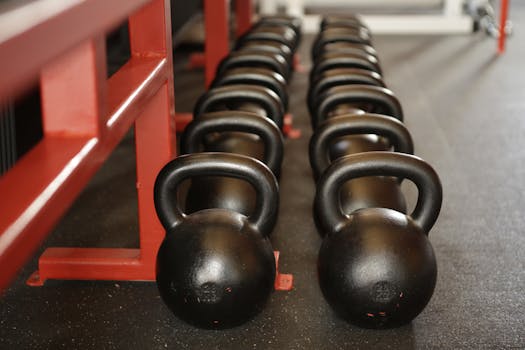
Eat healthy foods, drink lots of water, and get enough sleep to keep your body strong for sport.

Your body is like a sports car; it needs good fuel to run well! Eating fruits, vegetables, and healthy meals gives you energy. Drinking water keeps you hydrated, and getting lots of sleep helps your body rest and grow stronger. This helps you perform your best in sports and stay healthy too.

Set goals

Think about what you want to achieve, like running a bit faster or learning a new trick.

Setting goals means deciding what you want to achieve. Maybe you want to score more goals in football, or swim a lap without stopping. These goals help you focus your practice and see how much you are improving. When you reach a goal, you will feel very proud and excited to set a new one!

Compete and Excel

Play in competitions

Join school teams or club competitions to test your skills against others.

Competitions are exciting! They are a chance to show what you have learned and see how much you have improved. It's not just about winning; it's about trying your best, being a good sport, and having fun playing with or against others. You will learn to handle both winning and losing gracefully.

Learn from every game

After a game or race, think about what went well and what you can do better next time.

Every time you play, whether you win or lose, there are things you can learn. Did you work well with your teammates? Did you try your hardest? Thinking about these things helps you understand how to improve for your next game. Your coaches can also help you review your performance and give you tips.

Dream big

Imagine yourself as a professional athlete or even going to the Olympics one day!

Keep dreaming big! Many athletes start out just like you, loving their sport and working hard. If you continue to practice, stay dedicated, and love what you do, who knows what amazing places your sport might take you? You could represent your town, your country, or even compete in the Olympics!

🎯 View Apprenticeships

Explore relevant apprenticeships that can help you kickstart your career in Athlete. Apprenticeships offer hands-on experience and training while earning a wage.

Career Progressions

This page showcases various career options and the pathways to reach them. Each career listed here shares transferable skills and knowledge, making it easier for individuals to transition between them.

Your current career is highlighted to help you see how it fits into the broader landscape of potential career choices. By clicking on any career, you can learn more about it, including the training and education required to pursue it.

Remember, progressing in your career often involves further learning and training. This page provides insights into future career options as well as those that can lead up to your current one.

These career progression decisions are informed by comparing the skills and knowledge needed for different occupations, along with data on how people move between them. Explore the possibilities and discover the exciting journey ahead in your career!

Sample Qualifications

How to become

You can get into this career through:

  • a university course
  • an apprenticeship
  • a sports development programme

University

You can apply to do a course at university in the usual way through UCAS and join your university’s athletics performance programme, where one is available.

You may be able to apply for a university sports scholarship, if you’ve competed at club, regional or national level and have shown the potential to go further.

Entry requirements

You'll usually need:

  • 1 or 2 A levels, or equivalent, for a foundation degree or higher national diploma
  • 2 to 3 A levels, or equivalent, for a degree

More Information

Apprenticeship

You could apply to do a sports related apprenticeship, which would allow you to develop your athletics career while gaining skills to work in the sport and leisure industry.

Apprenticeships include:

  • Community Activator Coach Level 2 Intermediate Apprenticeship
  • Community Sport and Health Officer Level 3 Advanced Apprenticeship

Entry requirements

To get onto an apprenticeship, you'll find it useful to have:

  • some GCSEs, usually including English and maths, or equivalent, for an intermediate apprenticeship
  • 5 GCSEs at grades 9 to 4 (A* to C), or equivalent, including English and maths, for an advanced apprenticeship

More Information

Other Routes

The first step to becoming a professional athlete is to join an athletics club. You would work with qualified coaches to develop your skills and compete at a level appropriate to your age and stage of development.

There are several athletics programmes that support individuals to achieve their potential.

The Talented Athlete Scholarship Scheme allows you to study for a qualification at college or university, while you continue your sporting development. You must be 16 or over, and be performing at a high level. You are nominated for a place by UK Athletics, the national governing body.

You may be able to join the Para Academy, if you have the potential to compete at national and international paralympic level.

England Athletics has more information on pathways from junior and youth programmes through to senior and world class levels.

More Information

Career tips

You are likely to travel a lot to compete in athletics events, including overseas for international championships.

Further information

You can get more details about how to become an athlete from British Athletics and UK Athletics.

Interested in More Career Paths?

Explore other careers or use our AI to discover personalised paths based on your interests.

Stay connected

Join our newsletter to stay up to date on features and releases

Address
Developing Experts Limited
Exchange Street Buildings
35-37 Exchange Street
Norwich
NR2 1DP
UK

Phone
01603 273515

Email
[email protected]

Copyright 2026 Developing Experts, All rights reserved.
