


Creating Career Path...

Finding Further Careers...

Inventor

View this career for different education levels:

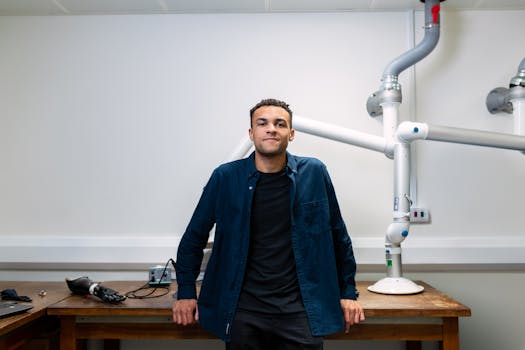
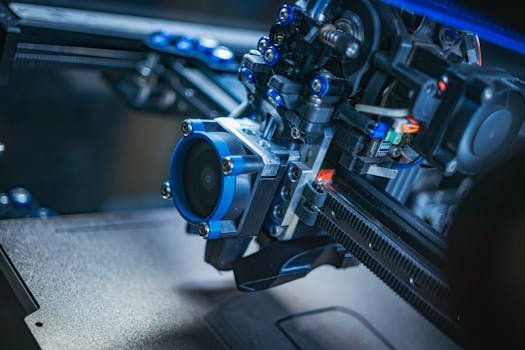
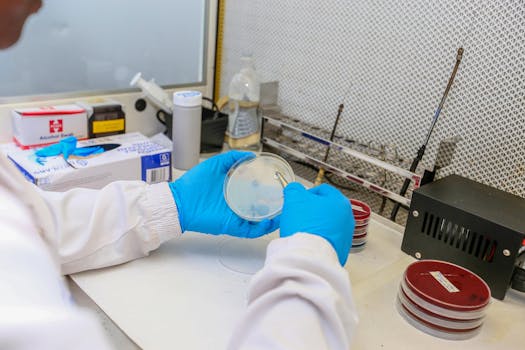
Imagine someone who loves to think up new ideas and make them real. That is an inventor! Inventors are super curious and always asking 'What if...?' or 'How can we make this better?'. They might invent something completely new, like a robot that tidies your room, or they might improve something that already exists, like making a phone that can fly. Being an inventor means you spend a lot of time thinking, drawing pictures of your ideas, and then trying to build or test them. Sometimes an idea does not work the first time, or the second, or even the tenth time. But inventors do not give up! They learn from their mistakes and keep trying until their invention works. It takes lots of patience, creativity, and a bit of science and engineering know-how to bring a new idea to life in the UK and around the world.

Inventor

Flag Media

Please select a reason for flagging this content.

📊 Statistics

Starting Salary

For someone just starting out in a creative or engineering role that might lead to inventing, they could earn around 20,000 to 25,000 pounds a year.

Experienced Salary

Inventors who create really successful products or services can earn a lot more. It is hard to put an exact number, but it could be anywhere from 40,000 pounds to millions if their invention is very popular.

Number of Patents

In 2022, there were over 14,000 patent applications made in the UK. A patent is like a special certificate that says an invention belongs to you, showing that many people are creating new things.

🚀 Careers in this path

Flag Media

Please select a reason for flagging this content.

Toy Designer

Imagine new ideas for toys that children will love to play with, then draw them and even build models of them.

Flag Media

Please select a reason for flagging this content.

Gadget Creator

Think of clever new inventions to solve everyday problems, like a machine that ties your shoelaces or a robot that tidies your room!

Flag Media

Please select a reason for flagging this content.

Story Inventor

Come up with amazing new stories, characters, and worlds for books, films, or plays. You'd invent everything that happens!

Spark Your Curiosity

Ask 'Why?' and 'How?'

Start by looking at the world around you and asking lots of questions. Why does the toast pop up? How does a remote control work?

Great inventors are always asking questions! When you see something, don't just accept it. Try to understand how it works or why it is the way it is. This helps you think about ways things could be different or better. Keep a little notebook for all your 'why' and 'how' questions!

Read and Learn

Read books, watch documentaries, and explore new topics. Learning about different things can give you new ideas.

The more you know about different subjects like science, nature, and technology, the more tools you have in your brain to come up with new ideas. Libraries are full of amazing books, and there are lots of fun science shows on TV or online that can teach you cool facts and spark your imagination.

Play and Experiment

Build things with LEGOs, crafts, or recycled materials. See what happens when you mix different things together (safely!).

Playing is a fantastic way to learn! When you build with blocks, draw, or make things with craft supplies, you're practising designing and creating. Experimenting, like trying to make a paper aeroplane fly further, teaches you about trial and error – a very important part of inventing. Always make sure an adult knows what you're doing, especially when mixing things.

Develop Your Ideas

Brainstorm Solutions

Think about problems people have and come up with as many ideas as you can to solve them, no matter how silly they seem at first.

Inventors often start by noticing a problem. Maybe your shoelaces always come undone, or it's hard to reach the top shelf. Once you have a problem, try to think of lots of different ways to fix it. Don't worry if an idea seems impossible, just write them all down! Sometimes the silliest idea can lead to a really clever solution.

Draw and Design

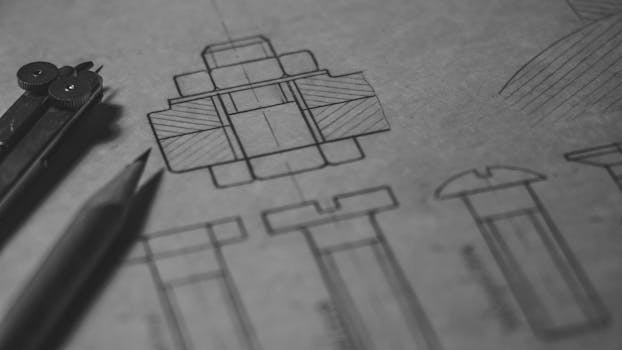
Once you have an idea, draw pictures of it. Show how it works and what it looks like from different angles.

Drawing your ideas helps you think them through clearly. You can draw your invention, label its parts, and even show how someone would use it. This is like creating a blueprint for your invention, helping you to see if your idea makes sense and what materials you might need to build it.

Build a Prototype

Try to build a simple version of your invention using materials like cardboard, plastic bottles, or old toys.

A prototype is like a first test model of your invention. It doesn't have to be perfect or even work perfectly. The idea is to make a physical version of your drawing to see if your idea works in the real world. You might learn that your initial design needs changing, which is perfectly normal! This step helps you test and improve your invention.

Share and Refine

Ask for Feedback

Show your invention to friends, family, or teachers and ask them what they think. What do they like? What could be better?

Getting different opinions is super helpful! When others look at your invention, they might see things you missed or have suggestions for improvements. Don't be shy about sharing your work. Listen carefully to their ideas, even if they're different from your own, as it can help you make your invention even better.

Improve Your Invention

Use the feedback you get to make changes and improvements to your invention. Don't be afraid to try new things!

Inventing isn't usually a one-time thing; it involves lots of tries and changes. After getting feedback, go back to your drawings or prototype and make adjustments. This is an exciting part of the process because it means your invention is getting closer to being amazing! Each change you make is a step forward.

Protect Your Idea (Later On!)

When you're older, if you invent something truly new, you can learn about patents to protect your ideas.

For grown-up inventors, when they create something really unique and useful, they can get a 'patent'. A patent is like a special permission from the government that says, 'This idea belongs to you for a while, and no one else can make or sell it without your permission.' This encourages inventors to keep creating new things, knowing their hard work is protected.

🎬 Useful Videos

🎯 View Apprenticeships

Explore relevant apprenticeships that can help you kickstart your career in Inventor. Apprenticeships offer hands-on experience and training while earning a wage.

Career Progressions

No career progressions found for Inventor

Sample Qualifications

An Inventor's core work involves conceptualising and developing new products, aligning closely with the duties of a Product designer who focuses on the design, functionality, and user experience of products.

How to become

You can get into this job through:

  • a university course
  • an apprenticeship

University

You could study a foundation degree, higher national diploma or degree in a subject like:

  • design
  • product design
  • industrial product design
  • engineering

You could also do a course covering a particular industry, which includes design options, for example automotive engineering and furniture design.

You can improve your job prospects by getting work experience during your studies.

Your university careers service can help you to find suitable placements, internships and year in industry opportunities.

Entry requirements

You'll usually need:

  • 1 or 2 A levels, or equivalent, for a foundation degree or higher national diploma
  • 2 to 3 A levels, or equivalent, for a degree

More Information

Apprenticeship

You could apply to do a Product Design and Development Engineer Level 6 Degree Apprenticeship.

This can take up to 5 years to complete and is a mix of workplace training with academic study at an approved university.

You might also apply to do a Model Making Level 6 Degree Apprenticeship. Training includes physical and digital model making, building prototypes and creating mock-ups.

Entry requirements

You'll usually need:

  • 4 or 5 GCSEs at grades 9 to 4 (A* to C) and A levels, or equivalent, for a degree apprenticeship

More Information

More Information

Career tips

Entering design competitions and exhibitions can be a good way of getting yourself noticed by employers.

You'll need to show employers that you have creative skills, technical knowledge and the ability to work to a design brief. This will usually involve presenting a portfolio of your design work to them.

Professional and industry bodies

You can join the Chartered Society of Designers for professional recognition, training opportunities and to make industry contacts.

Further information

You can get more information about careers in product design from Neon and the Design Business Association.

Interested in More Career Paths?

Explore other careers or use our AI to discover personalised paths based on your interests.

Stay connected

Join our newsletter to stay up to date on features and releases

Address
Developing Experts Limited
Exchange Street Buildings
35-37 Exchange Street
Norwich
NR2 1DP
UK

Phone
01603 273515

Email
[email protected]

Copyright 2026 Developing Experts, All rights reserved.