





Creating Career Path...

Finding Further Careers...

Bridge Builder

View this career for different education levels:

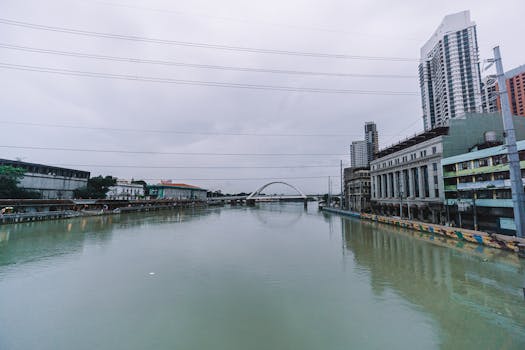
Imagine a super-strong structure that lets cars, trains, or even people cross over a river, a valley, or busy roads. That's a bridge! A Bridge Builder is like a superhero who helps make these amazing structures come to life. They work with big teams of people, from clever designers who draw the plans to skilled builders who put all the pieces together. It's a job where you get to see huge projects come together, piece by piece, to create something really useful and often very beautiful that will last for many, many years.

Bridge Builder

Flag Media

Please select a reason for flagging this content.

📊 Statistics

Average Salary (Experienced Engineer)

An experienced engineer who helps design and build bridges in the UK might earn between 40,000 and 60,000 pounds a year.

Number of Construction Jobs

The construction industry in the UK, where bridge builders work, employs over 2.5 million people. Many of these jobs help build amazing things like bridges.

Projected Growth

The UK construction industry is expected to grow by about 2-3 percent over the next few years, meaning there will be more exciting projects, including new bridges.

🚀 Careers in this path

Flag Media

Please select a reason for flagging this content.

Bridge Designer

Imagine new bridges on paper or a computer. You draw how they will look and how they will be strong enough for cars and trains. It's like being an artist for buildings!

Flag Media

Please select a reason for flagging this content.

Construction Worker for Bridges

You help build the bridges! You might help lay concrete, put steel beams in place, or make sure everything is safe. It's a bit like building with giant LEGOs.

Flag Media

Please select a reason for flagging this content.

Bridge Inspector

Once a bridge is built, you check it regularly to make sure it's still safe and strong. You look for any cracks or wobbly bits to make sure people can cross safely. Like a detective for bridges!

Learn About Bridges

Play with Blocks

Start by building small bridges with toy blocks, LEGOs, or even pillows at home. See how strong you can make them!

Playing with building blocks is a fantastic way to understand how different shapes and supports work together. Try to make your bridges long enough for your toy cars to drive over, and see if you can make them sturdy enough to hold heavier toys. This helps you learn about stability and design, just like real engineers do.

Draw Bridge Ideas

Use paper and crayons to draw different kinds of bridges you might like to build one day. Think about how they would look and what they would connect.

Drawing your ideas helps you think about the different parts of a bridge, like the main roadway, the towers, and the cables. You can draw famous bridges you've seen or invent your own unique designs. This creative step is important because engineers often sketch their ideas before they start building.

Visit Real Bridges

Ask a grown-up to take you to see some real bridges. Look closely at how they are built and what materials they use.

When you visit a real bridge, try to notice if it's made of metal, concrete, or stone. Look at the shapes of the arches or how the cables are stretched. Think about why the builders chose those materials and that design. Asking questions like 'Why is this bridge shaped this way?' can help you understand engineering better.

School Adventures

Do Well in Maths

Try your best in maths lessons at school. Understanding numbers is super important for designing strong bridges.

Maths helps bridge builders calculate how much weight a bridge can hold, how long it needs to be, and how much material is required. Learning about shapes, measurements, and problem-solving in maths class will give you a great foundation for future engineering challenges.

Love Science and Technology

Pay attention in science and technology classes. You'll learn how materials work and how to build things safely.

Science teaches you about forces like gravity and how different materials react to them. In technology, you might get to build models or learn about tools. These subjects are key because they help you understand why certain materials are stronger than others and how to make sure your bridge designs won't fall down.

Learn How to Solve Problems

When you have a tricky problem, try to think of different ways to fix it. Bridge builders solve problems every day!

Engineering is all about solving problems, from figuring out how to build a bridge across a wide river to making sure it can withstand strong winds. Practising your problem-solving skills in school, whether it's a puzzle or a challenging school project, will prepare you for the kind of thinking engineers do.

Future Steps

Join a STEM Club

Look for clubs at school or in your local area where you can build things, experiment, and learn more about science and engineering.

STEM clubs (Science, Technology, Engineering, and Maths) are brilliant places to meet other children who love building and creating. You might get to work on exciting projects, use new tools, and even enter competitions, which is a fun way to get practical experience and make new friends.

Think About University

When you're older, you'll need to go to university to study something called 'Civil Engineering' to become a bridge builder.

Civil engineering is the special type of engineering that focuses on building big structures like bridges, roads, and buildings. At university, you'll learn all the advanced maths, science, and design skills needed to plan and oversee the construction of these important projects. It's a big step but very rewarding!

Look for Work Experience

When you're older, try to find opportunities to visit building sites or talk to real engineers to see what their job is like.

Getting work experience, even just for a few days, can give you a fantastic insight into the daily life of an engineer. You might get to see blueprints, visit a construction site, or help with small tasks. This helps you understand if bridge building is really the career for you and can help you make connections for the future.

🎬 Useful Videos

🎯 View Apprenticeships

Explore relevant apprenticeships that can help you kickstart your career in Bridge Builder. Apprenticeships offer hands-on experience and training while earning a wage.

Career Progressions

This page showcases various career options and the pathways to reach them. Each career listed here shares transferable skills and knowledge, making it easier for individuals to transition between them.

Your current career is highlighted to help you see how it fits into the broader landscape of potential career choices. By clicking on any career, you can learn more about it, including the training and education required to pursue it.

Remember, progressing in your career often involves further learning and training. This page provides insights into future career options as well as those that can lead up to your current one.

These career progression decisions are informed by comparing the skills and knowledge needed for different occupations, along with data on how people move between them. Explore the possibilities and discover the exciting journey ahead in your career!

Sample Qualifications

A Bridge Builder's primary role involves the design, planning, and overseeing of construction projects, which aligns directly with the responsibilities of a Civil Engineer. While Steel Erector and Rail Track Maintenance Worker are involved in aspects of infrastructure, Civil Engineer encompasses the comprehensive professional expertise for such large-scale construction.

How to become

You can get into this job through:

  • a university course
  • a college course
  • an apprenticeship
  • working towards this role

University

You can do a foundation degree, higher national diploma or degree in civil engineering.

Many universities specialise in particular areas of civil engineering, like:

  • transport engineering
  • environmental engineering
  • coastal and maritime engineering

You can search for accredited courses through the Institution of Civil Engineers. Some courses include a work placement, which can be useful for making industry contacts to help you find work after university.

You can also do further study for a postgraduate master's qualification in civil engineering, if you've got a degree in a related subject like maths, science or geology.

Entry requirements

You'll usually need:

  • 2 or 3 A levels, or equivalent, including maths and a science for a degree
  • a degree in a relevant subject for postgraduate study

More Information

College

You could take a course at college, which might help you to get work as a trainee civil engineer, or to apply for further study at university.

Subjects include:

  • civil engineering
  • maths, physics or geography
  • construction and the built environment

Entry requirements

Entry requirements for these courses vary.

More Information

Apprenticeship

You can apply to do a Civil Engineer Level 6 Degree Apprenticeship with an engineering or construction company.

This takes around 5 years to complete.

Entry requirements

You'll usually need:

  • 4 or 5 GCSEs at grades 9 to 4 (A* to C) and A levels, or equivalent, for a higher or degree apprenticeship

More Information

Work

You could work as a civil engineering technician and study on the job for a degree or apprenticeship.

You'll usually need 5 GCSEs at grades 9 to 4 (A* to C), or equivalent, including English, maths and science. Employers may also look for 1 or 2 A levels, or equivalent qualifications.

More Information

Professional and industry bodies

You can join the Institution of Civil Engineers (ICE) for professional development opportunities and to make industry contacts.

Further information

You can learn more about how to become a civil engineer from the Institution of Civil Engineers (ICE).

Interested in More Career Paths?

Explore other careers or use our AI to discover personalised paths based on your interests.

Stay connected

Join our newsletter to stay up to date on features and releases

Address
Developing Experts Limited
Exchange Street Buildings
35-37 Exchange Street
Norwich
NR2 1DP
UK

Phone
01603 273515

Email
[email protected]

Copyright 2026 Developing Experts, All rights reserved.