
You may be able to work your way into this role by starting as a coastguard watch assistant and applying for promotion when you've got more experience.
To apply, you'll need literacy, numeracy and IT skills.
Search and Rescue (SAR) volunteers play a vital role in locating and helping people in difficulty, whether lost, injured, or in danger. In the UK, SAR teams operate in various environments, such as mountains, coasts, urban areas, and at sea. Most SAR roles are voluntary, though professional positions exist with organisations like HM Coastguard and the Royal National Lifeboat Institution (RNLI). Volunteers train in first aid, navigation, rescue techniques, and teamwork. Duties include responding to emergency callouts, searching for missing people, providing first aid, and working closely with police, ambulance, and fire services. SAR work is demanding but highly rewarding, requiring dedication, physical fitness, and a strong sense of community.
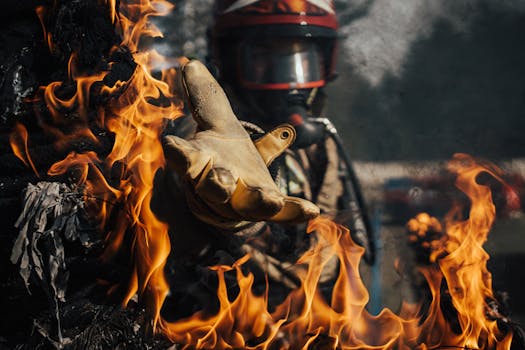
There are over 3,500 mountain rescue volunteers and more than 1,800 lifeboat crew in the UK.
Volunteers often commit upwards of 200 hours per year, including training and callouts.
Full-time search and rescue professionals can earn between £20,000 and £35,000 per year, depending on experience and specialisation.
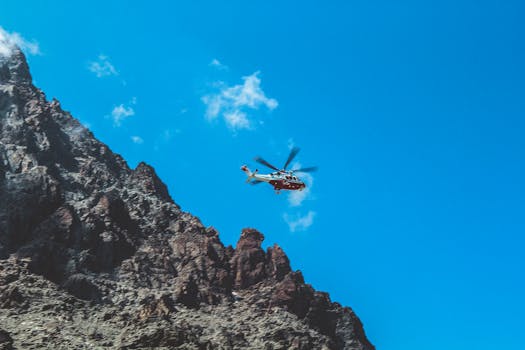
Specialises in responding to emergencies in mountainous and remote areas, assisting people who are lost or injured.
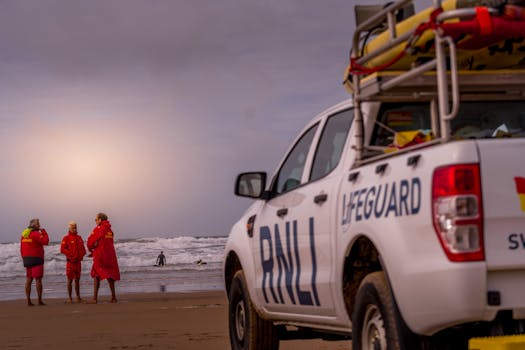
Focuses on saving lives along the coast and at sea, responding to incidents such as people in difficulty on cliffs or in the water.

Works to locate and rescue people from collapsed buildings and other urban emergencies, often following natural disasters or accidents.
Find out about local and national SAR teams, their roles, and the environments they work in.
Look into organisations such as Mountain Rescue, Lowland Rescue, the RNLI, and the Coastguard. Each operates in different environments and may have different requirements and specialisms. Visiting their official websites and reading case studies will give you a better understanding of the work involved.
Review the time, training, and physical requirements for SAR volunteers.
SAR volunteering can be demanding. Teams often require a significant time commitment for training, callouts, and community events. You will also need to meet certain physical and sometimes medical standards. Many teams have specific expectations around availability, so check these before applying.
Obtain a recognised first aid qualification, which is essential for all SAR roles.
Courses such as Emergency First Aid at Work or Outdoor First Aid are widely available through providers like St John Ambulance or the Red Cross. Some teams may require more advanced qualifications, such as casualty care or trauma training.
Maintain a good level of fitness to cope with the demands of SAR activities.
SAR work often requires walking or running over rough terrain, carrying equipment, and operating in difficult weather. Activities such as hiking, running, or joining a local walking group will help you prepare physically and mentally.
Develop navigation, map reading, and outdoor survival skills.
Many SAR tasks involve searching in remote or unfamiliar areas. Local walking, Duke of Edinburgh Award schemes, or orienteering clubs can help you build these practical skills. Some SAR teams also offer introductory sessions for prospective volunteers.
Contact your chosen SAR organisation and start the application process.
Most teams require an application form and an interview. You may need to provide references and pass background checks. Be prepared to explain your motivations and show any relevant skills or experience.
Attend initial training courses and shadow experienced team members.
New volunteers usually undergo a probationary period where they complete core training modules covering rescue techniques, communications, and team safety. You will be mentored by experienced members and gradually take on more responsibility.
Take part in ongoing training and consider specialising within your team.
SAR teams offer regular training in areas like water rescue, technical rope work, or dog handling. Experienced volunteers may also move into leadership roles or support with public education. Staying up to date with skills is vital for effective rescue work.
Explore relevant apprenticeships that can help you kickstart your career in Search and Rescue Volunteer (often professional roles exist too). Apprenticeships offer hands-on experience and training while earning a wage.
This page showcases various career options and the pathways to reach them. Each career listed here shares transferable skills and knowledge, making it easier for individuals to transition between them.
Your current career is highlighted to help you see how it fits into the broader landscape of potential career choices. By clicking on any career, you can learn more about it, including the training and education required to pursue it.
Remember, progressing in your career often involves further learning and training. This page provides insights into future career options as well as those that can lead up to your current one.
These career progression decisions are informed by comparing the skills and knowledge needed for different occupations, along with data on how people move between them. Explore the possibilities and discover the exciting journey ahead in your career!
A Search and Rescue Volunteer role is most similar to a Coastguard because both involve emergency response, rescue operations in challenging environments, and a focus on public safety at sea and coastal areas. Both roles require specialised training, quick decision-making skills, and a commitment to saving lives during emergencies.
You can get into this job through:
You may be able to work your way into this role by starting as a coastguard watch assistant and applying for promotion when you've got more experience.
To apply, you'll need literacy, numeracy and IT skills.
Voluntering is a good way to get experience of working in the coastguard service. You could volunteer to become a coastguard rescue officer.
You'll need to be:
As you get more experience, you could apply for a paid position when vacancies are advertised.
You can apply for jobs with HM Coastguard if you have relevant skills and knowledge. Jobs include call centre operations and maritime watch services.
You'll need a good standard of literacy and numeracy, and good eyesight and hearing.
For some jobs, it may be helpful to have experience working at sea. This might be from:
You can find out more about becoming a coastguard from:
Explore other careers or use our AI to discover personalised paths based on your interests.
Address
Developing Experts Limited
Exchange Street Buildings
35-37 Exchange Street
Norwich
NR2 1DP
UK
Phone
01603 273515
Email
[email protected]
Copyright 2026 Developing Experts, All rights reserved.

Unlock expert-designed lessons, resources, and assessments tailored for educators. No credit card required.
Claim Your Free Trial →We use cookies to enhance your browsing experience and analyze our traffic. Learn more.
