
Creating Career Path...

Finding Further Careers...

Dancer

View this career for different education levels:

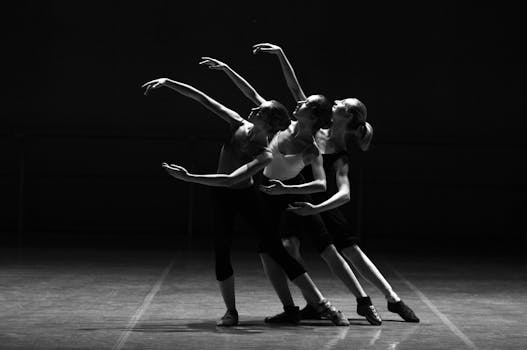
Dancers use movement and expression to perform in a variety of settings, such as theatres, television, film, music videos, and live events. The career typically involves rehearsing for long hours, maintaining physical fitness, and working closely with choreographers and other performers. Dancers may specialise in styles like ballet, contemporary, street, or commercial dance, and often need to attend auditions to secure roles. Alongside performance, dancers may also teach or assist in choreography. The profession is highly competitive and can be physically demanding, requiring resilience, dedication, and a passion for the art form.

Dancer

Flag Media

Please select a reason for flagging this content.

📊 Statistics

Average Salary

Professional dancers in the UK typically earn between £18,000 and £30,000 per year, although this can vary widely depending on experience and the type of employment.

Employment Numbers

There are approximately 30,000 people employed as dancers and choreographers in the UK, according to Creative UK.

Job Outlook

The entertainment and performing arts sector, which includes dance, is expected to grow by around 5% over the next five years, offering new opportunities in live performance, television, and education.

🚀 Careers in this path

Flag Media

Please select a reason for flagging this content.

Ballet Dancer

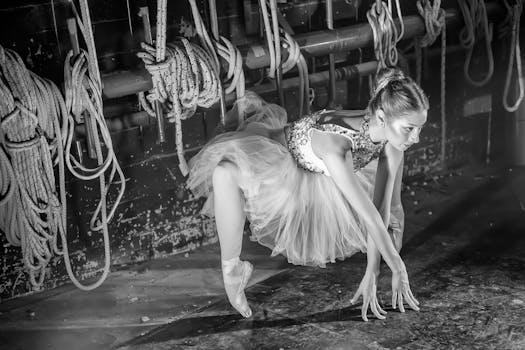
Performs classical ballet routines, often as part of a company in theatres and on stage.

Flag Media

Please select a reason for flagging this content.

Street Dance Performer

Specialises in urban dance styles such as breakdancing, hip hop, and popping, often performing at events and competitions.

Flag Media

Please select a reason for flagging this content.

Contemporary Dance Artist

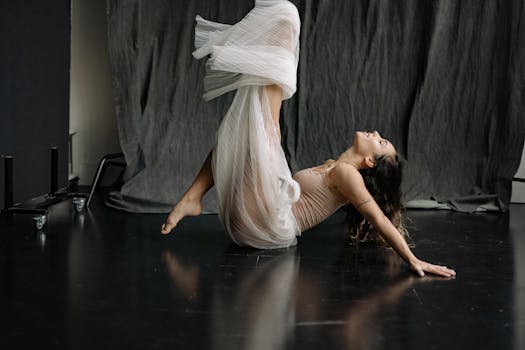
Focuses on contemporary dance techniques, creating and performing expressive dance pieces in a variety of settings.

Start Learning to Dance

Choose a Dance Style

Explore different dance styles and decide which one interests you most, such as ballet, street dance, or contemporary.

Attend taster sessions or watch online performances to get a feel for each style. Consider what music and movements you enjoy, and if you prefer solo or group performances. Some dancers try a few styles before choosing their main focus.

Join Classes or a Dance School

Sign up for regular classes at a local dance school or community centre to develop your skills and technique.

Look for schools with accredited teachers, good facilities, and positive reviews. Consistent training is important, so try to attend classes several times a week. Some schools offer graded exams or performance opportunities, which can be good experience.

Practice Regularly

Dedicate time each week to practising at home and perfecting your technique.

Set aside a space at home for dancing, even if it's just a small area. Use mirrors if possible to check your movements. Practice helps with flexibility, strength, and learning routines. Consider recording yourself to track progress.

Gain Experience and Qualifications

Perform in Shows and Competitions

Take part in local performances, dance competitions, or school productions to gain experience on stage.

Audition for youth dance companies, join local theatre groups, or enter dance festivals. Performing in front of an audience builds confidence and helps you learn how to handle stage nerves. Judges' feedback at competitions can help you improve.

Work Towards Dance Qualifications

Take exams in your chosen dance style, such as ISTD, RAD, or IDTA grades.

Dance qualifications are recognised by professional companies and schools. They show your commitment and level of achievement. Ask your teacher which exam board is best for your style and level. Higher grades may be needed for advanced training or teaching.

Attend Workshops and Summer Schools

Join specialist workshops or summer schools to learn from professional dancers and choreographers.

Workshops often focus on specific styles or techniques and give you a chance to try new things. Summer schools are intensive and help you make contacts in the dance world. Look for events run by professional companies or well-known schools.

Pursue Professional Training and Opportunities

Apply to Dance Colleges or Conservatoires

Audition for full-time professional training programmes after GCSEs or A-levels.

Well-known options in the UK include The Royal Ballet School, Trinity Laban, or Northern School of Contemporary Dance. Entry is competitive and you may need to prepare set routines or improvisation. These courses provide advanced training and performance experience.

Build a Portfolio and Network

Create a showreel or portfolio of your work and connect with industry professionals.

A showreel is a short video showing your dancing skills in different styles or settings. Attend auditions and open classes to meet choreographers and agents. Use social media to share your work and connect with others in the dance community.

Find Paid Dance Work

Audition for dance companies, musicals, cruise ships, or become a freelance dancer.

Look for audition notices online or through agencies. Paid work can include theatre productions, music videos, festivals, or teaching. Many dancers combine performing with teaching or choreography to build a varied career.

🎯 View Apprenticeships

Explore relevant apprenticeships that can help you kickstart your career in Dancer. Apprenticeships offer hands-on experience and training while earning a wage.

Career Progressions

No career progressions found for Dancer

Sample Qualifications

How to become

You can get into this job through:

  • a university course
  • a college course
  • applying directly
  • specialist courses

University

You'll usually need a degree or diploma in professional dance or musical theatre. These take 2 to 3 years to complete and are offered by dance schools, performing arts schools and universities.

Academic qualifications may not be essential if you show enough talent at audition.

You could get a Dance and Drama Award to help with fees and living costs.

Entry requirements

You'll usually need:

  • 2 to 3 A levels, or equivalent, for a degree
  • to pass an audition

More Information

College

There is no set entry route to become a dancer but it may be useful to do a relevant subject like:

  • Level 2 Diploma in Performing Arts
  • Level 3 Extended Diploma in Performing Arts - Dance
  • A level Dance

For entry to some courses at level 3 and above you may need to attend an audition.

Entry requirements

You'll usually need:

  • 2 or more GCSEs at grades 9 to 3 (A* to D), or equivalent, for a level 2 course
  • 4 or 5 GCSEs at grades 9 to 4 (A* to C), or equivalent, for a level 3 course

More Information

Volunteering

Dancing is very competitive and you'll need to develop your skills by getting as much dancing experience as possible.

You could do this through:

  • amateur dance clubs
  • college and university dance societies
  • student dance festivals and competitions

This can also help you to build a network of contacts in the dance profession. This will be useful when looking to get experience or a job.

Direct Application

You can apply directly to become a dancer, if you have a high level of training and ability in at least one form of dance.

Other Routes

Most professional dancers start taking dance classes from a young age. You can take graded exams from awarding bodies like:

More Information

Career tips

Classical ballet dancers start training very young, usually at 10 or 11 years old. It's possible to make a career in contemporary dance if you start at a later age, if you're prepared to work hard and put in a lot of training.

The amount of hours you work as a dancer will vary depending on your job. It can range from a few sessions a week to over 40, including rehearsals, if you're working on a show.

Professional and industry bodies

You could join One Dance UK and Equity for professional development and to make industry contacts.

Further information

You can find out more about becoming a dancer from:

You can also get more details about working in creative careers from Discover Creative Careers.

Interested in More Career Paths?

Explore other careers or use our AI to discover personalised paths based on your interests.

Stay connected

Join our newsletter to stay up to date on features and releases

Address
Developing Experts Limited
Exchange Street Buildings
35-37 Exchange Street
Norwich
NR2 1DP
UK

Phone
01603 273515

Email
[email protected]

Copyright 2025 Developing Experts, All rights reserved.
