A publisher helps choose, develop and release books or other types of content. They may work for a book company, magazine, newspaper, educational publisher or digital media business. Publishers look for ideas that people will want to read, agree contracts with authors and manage the process from the first draft to the finished product. The job involves working with authors, editors, designers, printers, marketing teams and booksellers. A publisher also needs to understand budgets, sales and what readers are interested in. Good communication, organisation, creativity and business skills are useful. There is no single required route into publishing, but many people study English, journalism, media or business before starting in an entry level role. Work experience with a school magazine, library, website or writing project can also help.

Publishers in the UK can earn about 24000 to 70000 pounds a year, depending on their experience, employer and responsibilities.
A publishing assistant or trainee may earn about 22000 to 28000 pounds a year at the start of their career.
The UK publishing industry generates more than 7 billion pounds in annual revenue from books, journals, educational materials and digital content.
Publishers usually work around 35 to 40 hours a week, although longer hours may be needed before important deadlines.

Works with authors to improve stories and prepare books for young readers.

Helps organise manuscripts, check documents and support the team that produces books.

Creates and manages articles, images and other content for websites and online platforms.
Read different types of books, magazines and online articles to understand what readers enjoy.
Try fiction, non fiction, comics, newspapers and books for different age groups. Notice how each publication uses titles, pictures, introductions and chapter layouts.
Practise writing clearly and creatively because publishers need to understand and improve written ideas.
Write short stories, reviews, interviews or school newsletter articles. Ask a teacher or trusted adult for feedback and check your spelling, grammar and punctuation.
Develop basic computer skills for writing, editing, design and organising information.
Practise using word processing, presentation and simple design software. You could also learn how websites, ebooks and social media are used to share published content.
Take part in projects such as a school magazine, writing club, library group or yearbook.
These activities can help you practise choosing ideas, editing articles, checking facts and working with designers. Keep examples of your work in a portfolio.
Learn about the different jobs involved in publishing, including editor, designer, rights assistant, production assistant and marketing assistant.
A publisher may manage a whole project, while other team members edit the writing, create the artwork, prepare the layout or promote the finished publication. Understanding these roles will help you choose an area that interests you.
When you are old enough, look for work experience with a publisher, newspaper, magazine, library, bookshop or communications team.
Ask a careers adviser, teacher or local organisation about suitable opportunities. If formal work experience is not available, volunteer to help with a community newsletter or create your own digital publication.
Study subjects that develop communication, creativity, organisation and research skills.
English is especially useful. Art, design, computing, business studies, media studies, history and modern languages can also help, depending on the type of publishing you want to enter.
After school, consider college, an apprenticeship or university courses linked to publishing and media.
Useful subjects may include publishing, journalism, English literature, media, marketing, communications, graphic design or business. Always check the entry requirements for each course.
Build a collection of your best writing, editing, design and project work.
Your portfolio could include a school magazine article, a book review, a redesigned book cover, an edited piece of writing or a plan for promoting a new book. Keep it organised and update it regularly.
Look for junior roles such as publishing assistant, editorial assistant, production assistant or marketing assistant.
These roles allow you to learn how manuscripts are selected, edited, designed, produced and promoted. Employers often value careful work, good communication, organisation and enthusiasm for books or media.
Meet people in publishing through events, talks, online groups and professional organisations.
Be polite and prepared when speaking to professionals. Ask about their work and listen carefully. Contacts can help you learn about opportunities, but you should always use safe and trusted platforms.
Gain experience and take on more responsibility until you can manage publishing projects or a list of publications.
With experience, you may become an editor, commissioning editor, publishing manager or publisher. You could work for a large company, an independent press, a newspaper group or your own publishing business.
An editor checks and improves writing, helps authors develop their ideas and makes sure that content is clear and accurate.

A literary agent represents authors, helps them find publishers and negotiates contracts on their behalf.

This person promotes books and other content using advertising, social media, events and publicity campaigns.
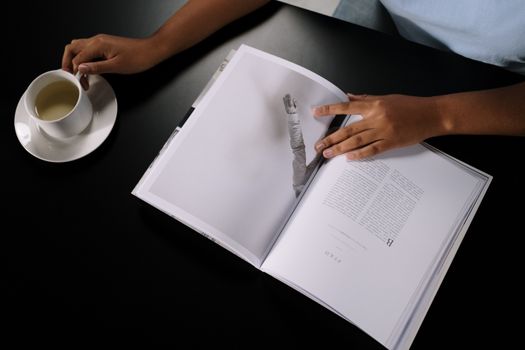
A book designer plans the appearance of a book, including its cover, page layout, images and typefaces.
Explore relevant apprenticeships that can help you kickstart your career in Publisher. Apprenticeships offer hands-on experience and training while earning a wage.
Explore other careers or use our AI to discover personalised paths based on your interests.
Address
Developing Experts Limited
Exchange Street Buildings
35-37 Exchange Street
Norwich
NR2 1DP
UK
Phone
01603 273515
Email
[email protected]
Copyright 2026 Developing Experts, All rights reserved.

Unlock expert-designed lessons, resources, and assessments tailored for educators. No credit card required.
Claim Your Free Trial →We use cookies to enhance your browsing experience and analyze our traffic. Learn more.

