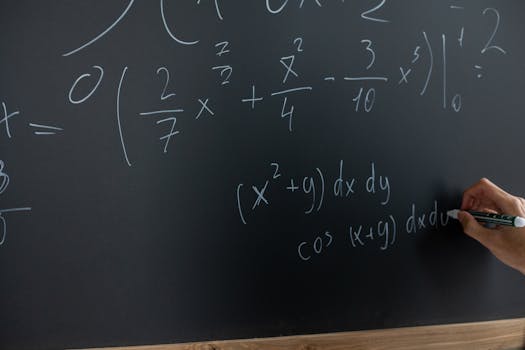
Imagine someone who loves numbers, shapes, and patterns more than anything. Thats a mathematician! They spend their time solving very tricky puzzles using maths. This might mean figuring out how different numbers connect, understanding how shapes fit together, or even helping computers learn new things. Mathematicians work in lots of different places. Some might work at universities, teaching students and doing research to discover new mathematical ideas. Others might work for companies, helping them figure out how to make things better or solve problems, like designing new apps or understanding how weather works. Its all about using the power of numbers to understand the world around us. Being a mathematician means you are a bit like a detective, but instead of finding clues about a mystery, you find clues and solutions using numbers and logic. They help make sure bridges are strong, computers work fast, and even help doctors understand how medicines work. It is a very important job because maths is everywhere, and mathematicians help us make sense of it all. They might use big computers to help them with their sums, but their most important tools are their clever brains and their love for puzzles.
A new mathematician in the UK might earn around 25,000 to 35,000 pounds a year. This is like getting pocket money for a whole year to buy lots of fun things and save some too!
If you become a super experienced mathematician, you could earn over 60,000 pounds a year, sometimes even much more, especially if you work in special areas like finance or research. Imagine all the ice cream you could buy with that!
While 'mathematician' as a job title isnt super common, lots of jobs need people who are great at maths. In the UK, many thousands of jobs in science, technology, engineering, and finance are filled by people with strong maths skills every year. Thats like having lots of chairs ready for people who love numbers!

Imagine flying to space and using maths to navigate your spaceship, understand the planets, and calculate how to land safely back on Earth! It's like being a super-smart explorer of the universe.

Do you love playing computer games? A game designer uses maths to create the rules, score points, and make sure characters move realistically. You'd be inventing amazing new worlds and challenges for people to play!
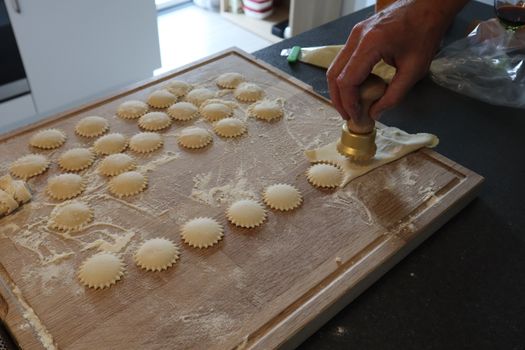
Being a brilliant chef means using maths all the time! You need to measure ingredients carefully, calculate cooking times, and work out how much food to prepare for everyone. It's like a delicious maths puzzle!
Start by having fun with numbers every day! This means counting things, doing simple sums, and looking for patterns.
You can count your toys, the steps to your bedroom, or even the cars you see from your window. Try adding and subtracting small numbers when you play games or help out around the house. For example, if you have 5 biscuits and eat 2, how many are left? Look for shapes in objects around you and talk about them with your family.
Find books that use numbers and maths in their stories. There are lots of fun picture books that can make maths exciting.
Ask your grown-ups to help you find books about counting, shapes, and problem-solving. Some stories might even have little maths puzzles for you to solve as you read along. This helps you see how maths is used in different ways and makes learning enjoyable.
Play games and do puzzles that make you think about numbers and patterns, like sudoku for kids or board games.
Board games often involve counting spaces, adding scores, and making strategic choices. Puzzles like jigsaw puzzles help you understand shapes and how they fit together. Even building with LEGOs can teach you about geometry and measurement. These activities are great for developing your maths brain without even realising it!
Pay close attention in your maths lessons at school and always try your best. Ask questions if you don't understand something.
Your teachers will show you new ways to work with numbers, shapes, and measurements. It's super important to understand the basics really well, as they are like the building blocks for more advanced maths later on. Don't be shy to ask your teacher to explain things again if you're stuck – that's how everyone learns!
See if your school has a maths club or an after-school group where you can do fun maths activities.
Maths clubs are brilliant places to meet other kids who enjoy maths and work on exciting challenges together. You might play maths games, solve tricky puzzles, or even prepare for fun maths competitions. It's a great way to learn more and see that maths can be a team effort.
Try to solve tricky problems that aren't just about numbers, but also about how to think logically.
Problem-solving isn't just for maths lessons. It's about figuring out how things work and finding the best way to do something. For example, if you're trying to share sweets equally among your friends, that's a maths problem! These skills help you think like a mathematician by looking for patterns and different ways to find answers.
Start looking for maths everywhere around you, not just in books. How do patterns show up in nature or buildings?
Think about the stripes on a zebra, the petals on a flower, or the bricks in a wall. Can you spot symmetry, patterns, or different shapes? When you go to a shop, can you estimate how much things will cost? When you watch a clock, can you work out how much time has passed? Seeing maths in the real world helps you understand how important it is.
Always be curious! Ask lots of questions about why things happen the way they do, and how they work.
Mathematicians are always asking questions. Why does this pattern repeat? How can we measure that? Asking 'why' helps you dig deeper than just finding an answer. It helps you understand the rules and reasons behind things, which is a big part of what mathematicians do. Don't just accept an answer; try to understand it fully.
Start learning how to use computers for more than just games, like making simple charts or solving puzzles.
Computers are very helpful for mathematicians, especially when they need to work with lots of numbers or create special pictures of maths ideas. You can start by learning how to use simple programs to organise information or play educational coding games that teach you logical thinking. This will be a super skill for when you're older and solving bigger maths problems.

A maths teacher helps children and older students learn about numbers, shapes, and how to solve problems. They make learning maths fun!
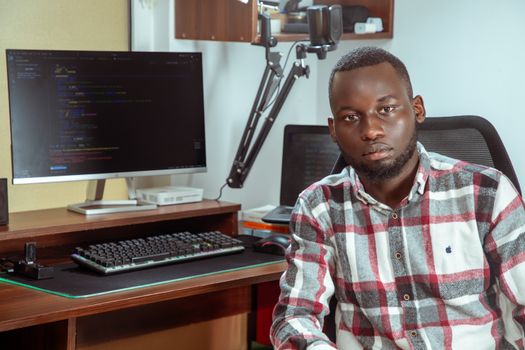
A computer programmer uses maths and logic to tell computers what to do, making games, apps, and websites work. They write instructions for the computer.
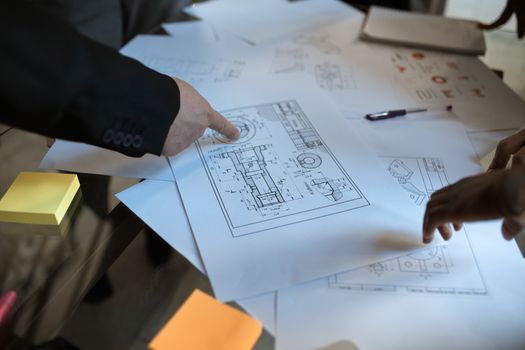
An engineer uses maths to design and build amazing things, like bridges, cars, and even rollercoasters. They make sure everything is safe and works well.
Explore relevant apprenticeships that can help you kickstart your career in Mathematician. Apprenticeships offer hands-on experience and training while earning a wage.
Explore other careers or use our AI to discover personalised paths based on your interests.
Address
Developing Experts Limited
Exchange Street Buildings
35-37 Exchange Street
Norwich
NR2 1DP
UK
Phone
01603 273515
Email
[email protected]
Copyright 2026 Developing Experts, All rights reserved.

Unlock expert-designed lessons, resources, and assessments tailored for educators. No credit card required.
Claim Your Free Trial →We use cookies to enhance your browsing experience and analyze our traffic. Learn more.

